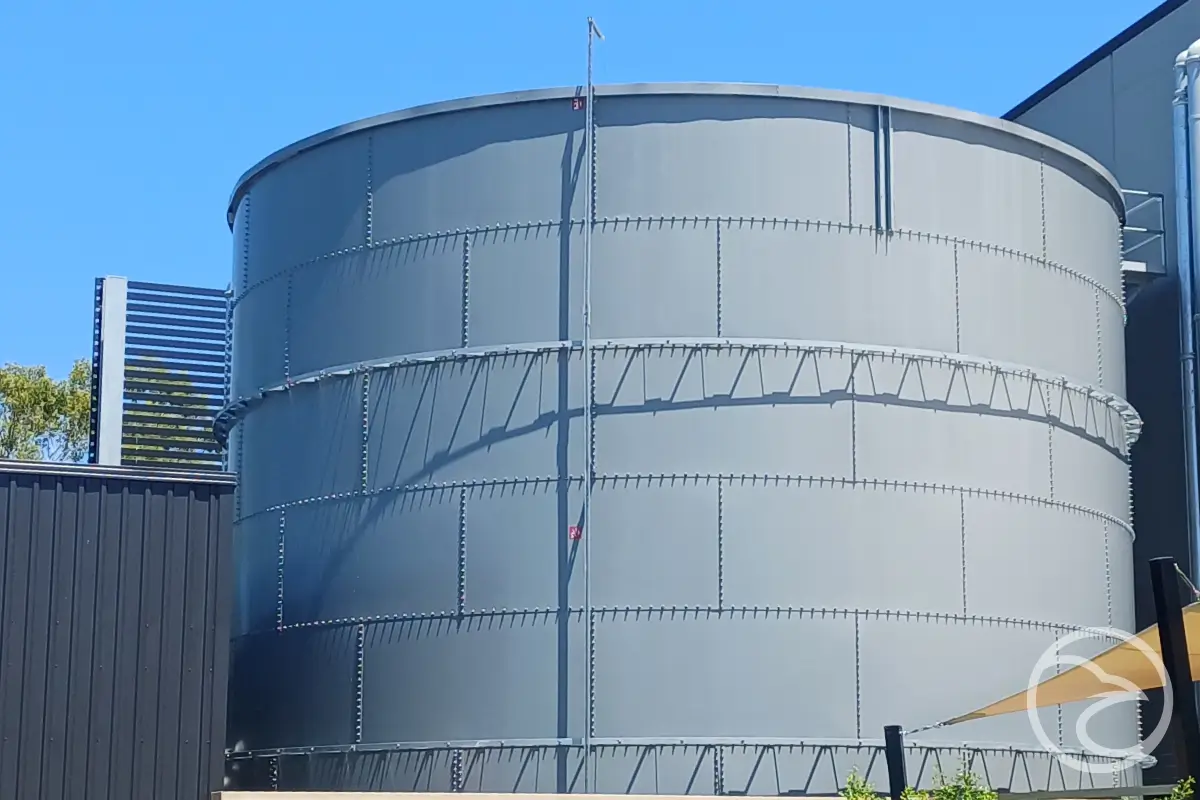

Fire protection systems depend on reliable water storage. Fire tanks play a critical role in supplying water for emergency response, but their effectiveness depends on regular inspections and maintenance. Understanding how often fire tanks should be inspected is essential for ensuring compliance, system reliability, and safety.
In Australia, inspection frequency is guided by the AS1851-2012 standard, which outlines routine servicing requirements for fire protection systems. This article explains how often inspections are required, what factors influence frequency, and why consistent inspection schedules matter.
Why Fire Tank Inspection Frequency Matters
Fire tanks are often overlooked until something goes wrong. However, without regular inspections, issues such as corrosion, leaks, or contamination can go unnoticed.
Proper inspection frequency helps:
- Ensure the system works during emergencies
- Detect problems early
- Maintain compliance with safety standards
- Extend the lifespan of the tank
Routine checks are not just a recommendation—they are part of maintaining a reliable fire protection system.
How Often Should Fire Tanks Be Inspected?
The frequency of fire tank inspections depends on system requirements, environmental conditions, and regulatory standards. In Australia, AS1851 provides structured timelines for inspection and maintenance. These schedules are part of broader AS1851 fire tank requirements that define how fire protection systems must be maintained and monitored.
In general, fire tanks should be inspected:
- Monthly – basic visual checks
- Quarterly – more detailed system reviews
- Annually – comprehensive inspection and maintenance
- Periodic long-term inspections – deeper structural assessments
AS1851 Inspection Schedule Explained
The AS1851 standard outlines routine servicing intervals for fire protection systems, including fire tanks. While the exact tasks may vary depending on the system, the structure typically includes the following:
Monthly Inspections
Monthly checks are simple but important. They usually include:
- Verifying water levels
- Checking for visible leaks
- Ensuring access points are clear
- Inspecting external tank condition
These inspections help identify obvious issues early.
Quarterly Inspections
Quarterly inspections involve more detailed checks, such as:
- Inspecting valves and pipe connections
- Checking overflow and drainage systems
- Verifying system components are functioning correctly
These checks ensure the system remains operational over time.
Annual Inspections
Annual inspections are more comprehensive and may include:
- Internal tank inspection (if accessible)
- Cleaning or sediment removal
- Detailed structural assessment
- Testing connected systems
At this stage, potential long-term issues are identified and addressed.
Long-Term Maintenance Intervals
Some inspections occur less frequently but are critical. These may involve:
- Structural integrity testing
- Coating or lining assessments
- Major maintenance work
These long-term checks ensure the tank remains durable and safe over its lifespan.
Factors that Affect Inspection Frequency
Although AS1851 provides general guidelines, actual inspection frequency may vary depending on several factors:
- Environmental Conditions: Tanks exposed to harsh weather, humidity, or corrosive environments may require more frequent inspections.
- Tank Type and Material: Steel, concrete, and fiberglass tanks have different maintenance needs. Some materials are more prone to corrosion or wear.
- Water Quality: Poor water quality can lead to sediment buildup or contamination, increasing the need for cleaning and inspection.
- Usage and System Demand: Tanks that are used frequently or support large systems may require closer monitoring.
What Happens if Inspections are Missed?
Skipping inspections can lead to serious problems, including:
- Undetected leaks or structural damage
- Reduced water availability during emergencies
- Equipment failure in fire protection systems
- Non-compliance with safety regulations
Over time, minor issues can become costly repairs or safety risks.
The Role of Professional Inspections
While basic checks can be performed regularly, more detailed inspections often require experienced professionals. Regular fire tank inspections help ensure that all components meet safety and compliance standards and that any issues are properly documented.
Professional assessments are especially important for:
- Annual inspections
- Internal tank checks
- Compliance verification
How Inspection Frequency Supports Compliance
Inspection frequency is not just about maintenance – it is a key part of compliance. Following AS1851 schedules helps ensure that:
- Fire protection systems meet regulatory requirements
- Documentation is accurate and up to date
- Systems are ready for audits and inspections
Consistent scheduling reduces risk and improves reliability.
Final Thoughts
Knowing how often fire tanks should be inspected is essential for maintaining safe and effective fire protection systems. AS1851 provides a clear framework for inspection frequency, helping property owners stay compliant and proactive.
By following recommended schedules, monitoring tank condition, and addressing issues early, you can ensure your fire tank remains reliable when it matters most.