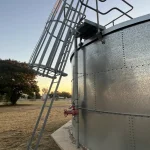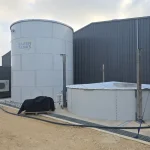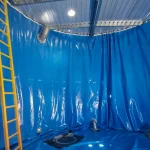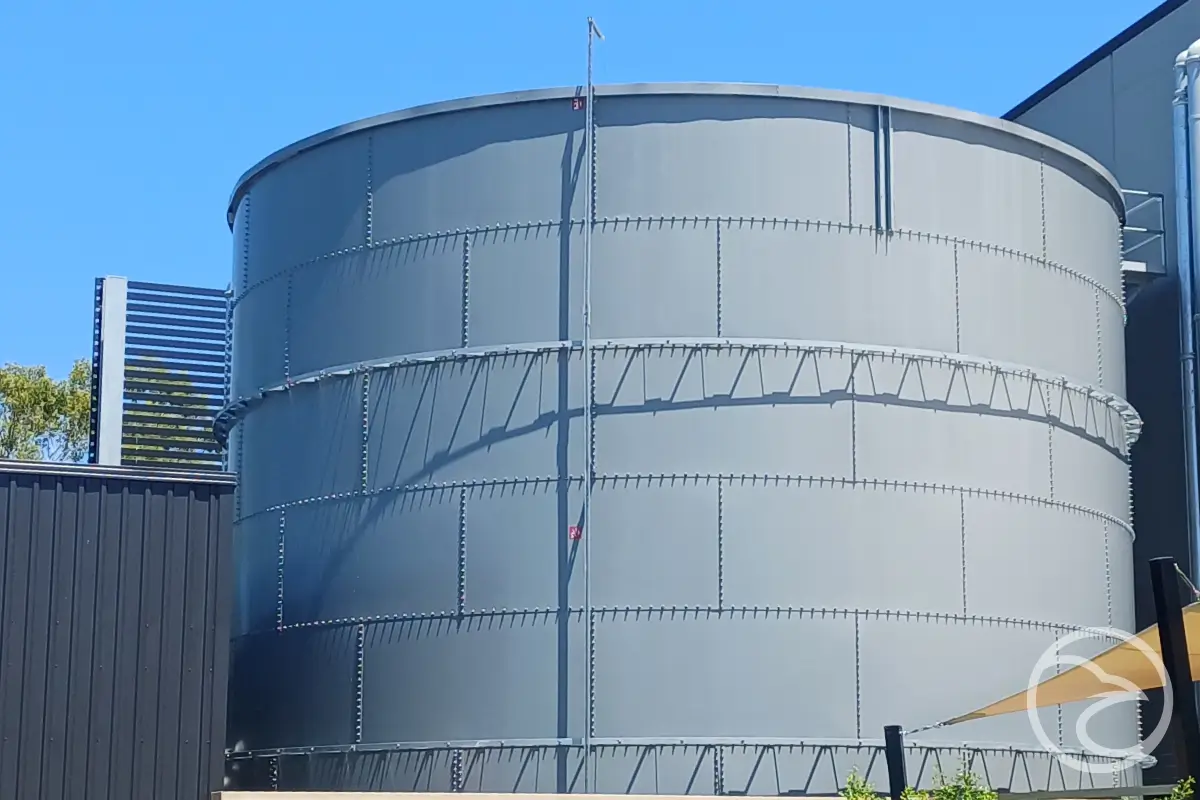
Water tanks operate in demanding industrial and commercial environments. Over time, hidden corrosion can damage internal tank surfaces and weaken structural integrity.
One of the most serious issues affecting storage systems is microbiologically influenced corrosion, also called MIC corrosion. This process develops when microorganisms interact with metal surfaces inside the tank.
MIC corrosion often progresses unnoticed during the early stages. Without proper monitoring, it can lead to leaks, contamination, and expensive repairs.
Understanding the warning signs of MIC corrosion warning signs helps facility managers respond before major damage occurs.
What is MIC Corrosion?
MIC corrosion develops through microbial activity inside water systems. Bacteria, fungi, and other microorganisms create conditions that accelerate metal deterioration.
These microbes form biofilms on internal tank surfaces. The biofilm traps moisture and creates localized corrosion areas. Industrial water systems are especially vulnerable because they continuously store or circulate water.
Facilities handling untreated or stagnant water may face higher corrosion risks. Businesses looking to better understand microbial activity often review how microbial activity influences corrosion in storage systems to identify environmental conditions that encourage corrosion development.
Unusual Surface Discoloration
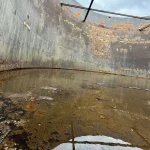
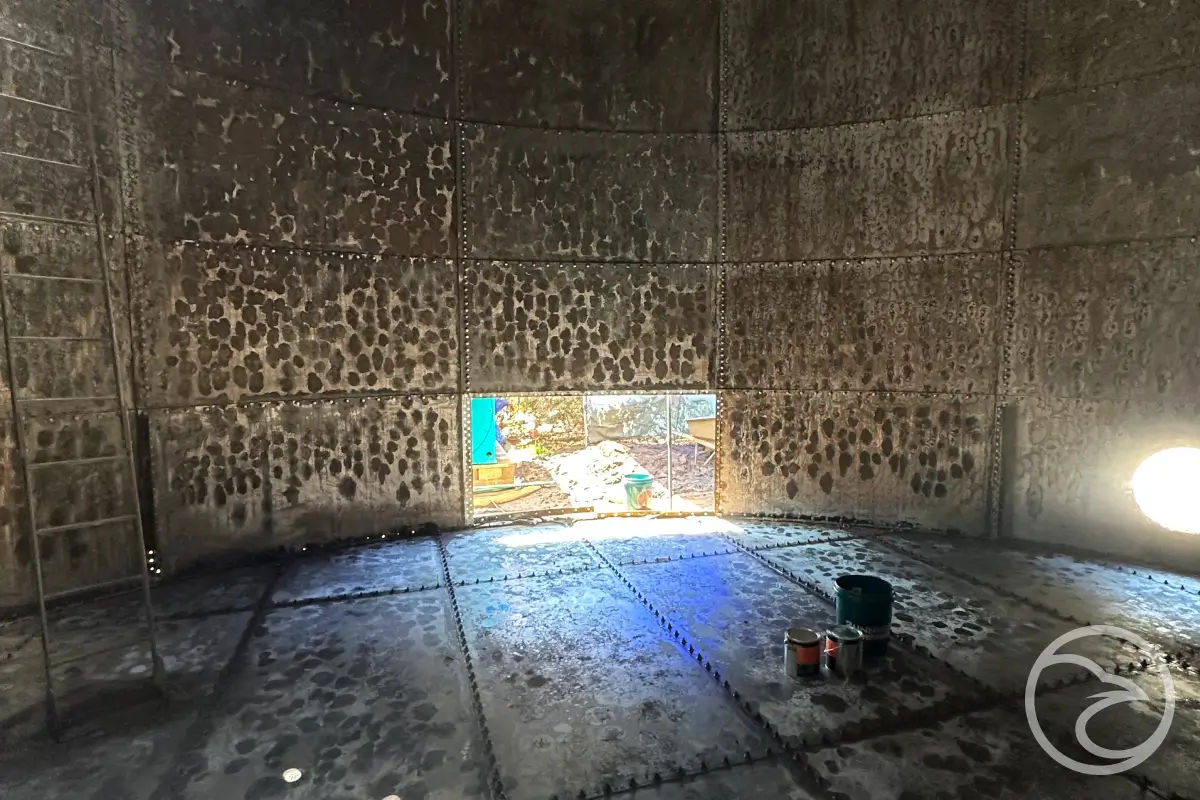
Surface discoloration is one of the earliest visible signs of MIC corrosion.
Corroded areas may appear:
- black
- reddish-brown
- green
- orange
These discolored patches often develop near welds, seams, or low-flow areas. In many cases, the corrosion appears uneven or concentrated in small locations.
This pattern differs from normal surface wear. Routine inspections help identify unusual surface changes before structural damage worsens.
Slime or Biofilm Formation
Biofilm formation strongly indicates microbial activity inside the tank. A slimy layer may develop on internal surfaces or around fittings. The texture often feels slippery or sticky.
Biofilms protect microorganisms and allow corrosion to spread beneath the surface. These deposits can restrict water flow and create additional maintenance issues.
Facilities noticing biofilm buildup should schedule inspections immediately.
Pitting Corrosion
MIC corrosion commonly causes pitting damage. Pitting creates small holes or cavities in metal surfaces. Although the damage may appear minor, pits can deepen rapidly.
This type of corrosion weakens tank walls and increases leak risks.
Pitting often develops in areas with:
- standing water
- low oxygen levels
- accumulated sediment
Regular inspections help identify pitting before structural failure occurs. Many maintenance teams also review signs your water tank needs maintenance to recognize additional warning indicators affecting storage performance.
Foul Odors Inside the Tank
Unpleasant odors may signal bacterial growth within the water system. Sulfur-reducing bacteria commonly produce hydrogen sulfide gas. This gas creates a strong rotten egg smell.
Odors often indicate active microbial contamination and potential corrosion activity. Ignoring unusual smells may allow corrosion conditions to worsen over time.
Tank cleaning and water quality testing can help identify the source of contamination.
Increased Sediment Accumulation
Sediment buildup may indicate internal corrosion problems. As corrosion progresses, metal particles and microbial debris collect inside the tank.
This accumulation reduces water quality and affects system efficiency. Sediment also creates ideal conditions for additional microbial growth.
Routine cleaning helps reduce contamination and improve system performance.
Unexpected Leaks
Small leaks sometimes indicate advanced MIC corrosion. Localized corrosion weakens metal surfaces from the inside.
Over time, pinhole leaks may appear unexpectedly.
Leaks often develop around:
- joints
- welds
- tank bottoms
- pipe connections
Even minor leaks require immediate attention. Delaying repairs can increase structural damage and operational costs.
Declining Water Quality
MIC corrosion may negatively affect stored water quality.
Facilities may notice:
- cloudy water
- unusual taste
- discoloration
- unpleasant odors
Microbial contamination can spread through the storage system if left untreated. Water quality testing helps identify biological activity and corrosion-related contamination.
Industrial facilities should monitor water conditions regularly to maintain operational safety.
Corrosion Near Welded Areas
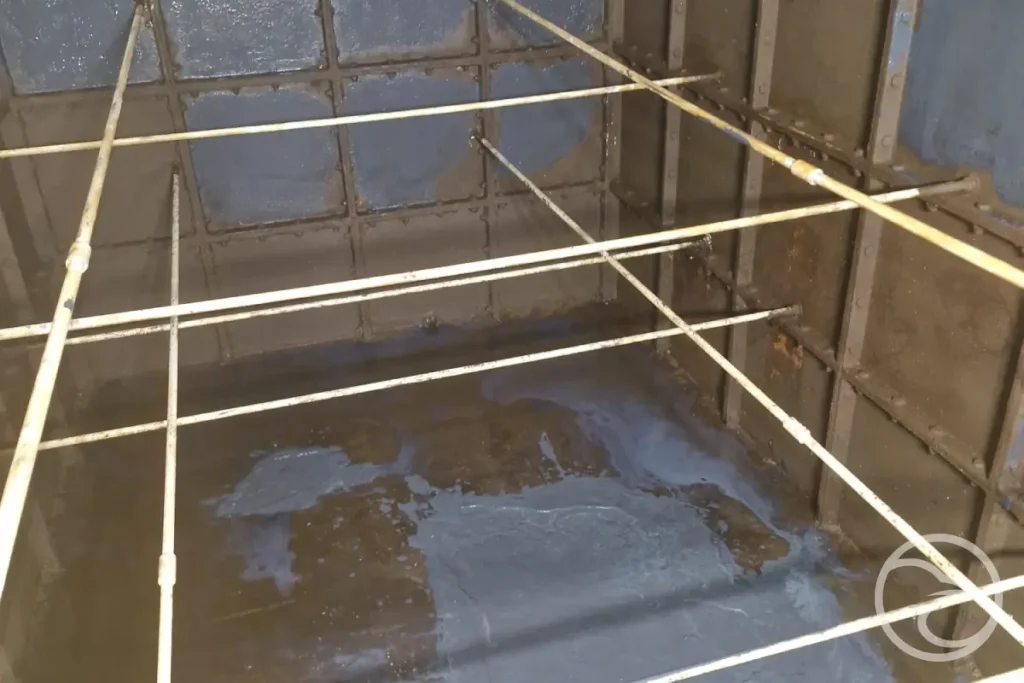
Welded sections often experience higher corrosion risks. These areas may contain small surface imperfections that trap moisture and microorganisms.
MIC corrosion frequently develops near seams and welded joints because biofilms attach easily to rough surfaces. Inspectors should carefully examine these locations during maintenance checks.
Businesses managing aging infrastructure often consult water tank problems and solutions to address recurring tank issues before they become severe.
Why Early Detection Matters
MIC corrosion spreads faster than many traditional corrosion processes. Early detection reduces repair costs and minimizes operational disruptions.
Ignoring warning signs may result in:
- structural weakening
- contamination risks
- expensive repairs
- system downtime
Preventive inspections improve long-term tank reliability and safety. Facilities using industrial water systems should include microbial monitoring in maintenance programs.
How to Reduce MIC Corrosion Risks
Preventive maintenance plays a major role in corrosion control.
Facilities can reduce risks by:
- scheduling regular inspections
- cleaning tanks routinely
- monitoring water quality
- removing sediment buildup
- maintaining proper water circulation
Professional inspections help identify hidden corrosion before major failures occur.
Many businesses also study mic corrosion in water tanks: causes, detection and prevention to improve maintenance planning and corrosion prevention strategies.
Final Thoughts
MIC corrosion can seriously damage industrial and commercial water tanks. The problem often develops quietly beneath biofilms and sediment deposits. Recognizing early MIC corrosion warning signs helps facilities prevent costly structural failures.
Surface discoloration, biofilm growth, foul odors, pitting, and leaks may all indicate microbial corrosion activity. Regular inspections and preventive maintenance remain essential for protecting water storage systems.
Early action improves tank performance, extends equipment lifespan, and reduces long-term repair costs.