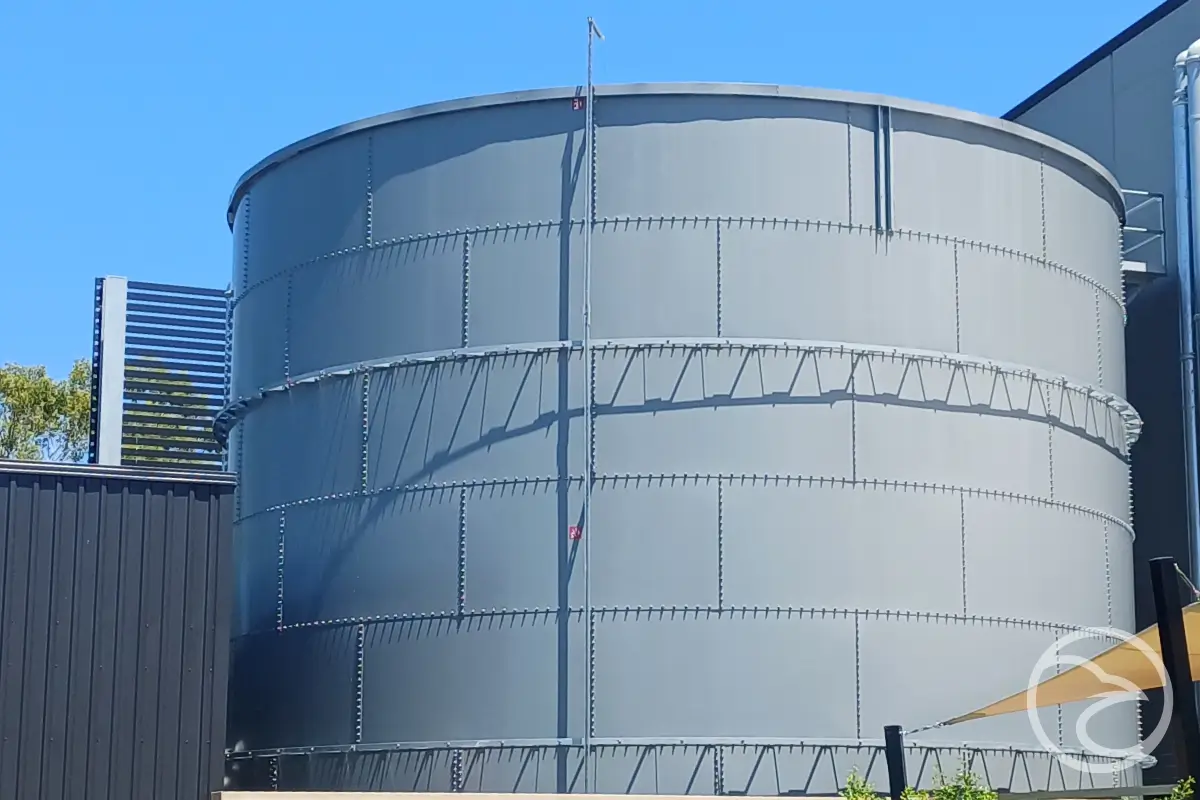

Water tanks rarely fail without warning. Most systems show clear signs long before serious damage occurs.
Recognising these early signals helps prevent costly repairs and downtime. It also protects water quality and system performance.
This guide explains the most common warning signs and what to do next.
Why Early Detection Matters
Small issues in water tanks develop gradually. If ignored, they can lead to leaks, contamination, or structural failure.
Regular inspection helps detect problems early. It also reduces long-term maintenance costs.
Many failures happen because warning signs were overlooked. Understanding them is key to proper tank care.
Visible Rust and Corrosion
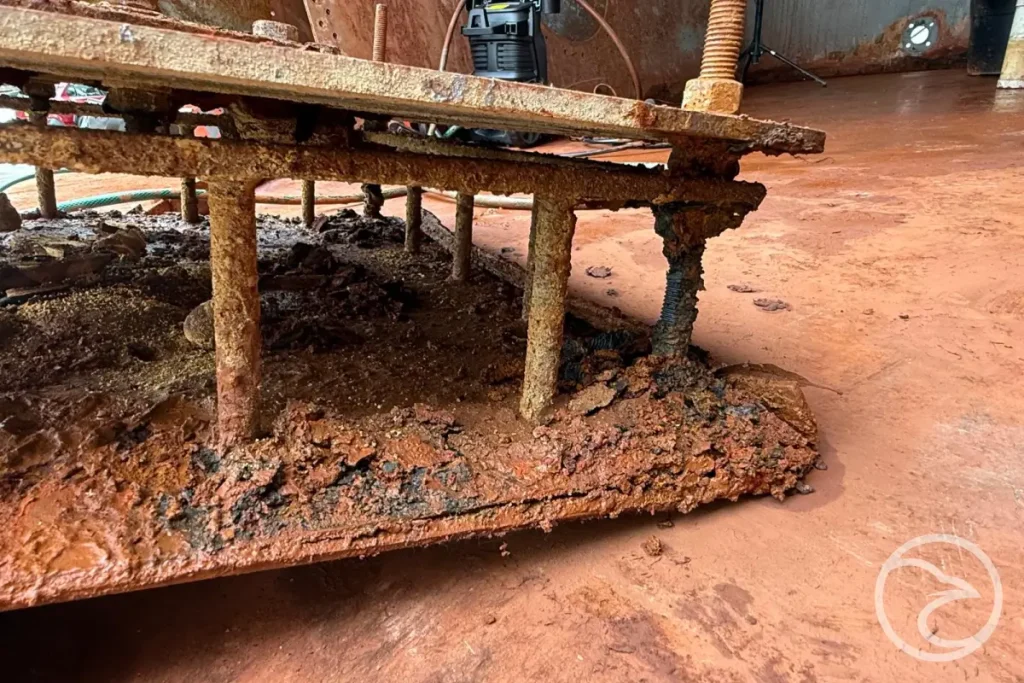
Rust is one of the earliest signs of tank deterioration. It usually appears on exposed metal surfaces or joints. Corrosion weakens the tank structure over time. It can eventually lead to cracks or leaks.
Even minor rust should not be ignored. It often spreads faster than expected.
If corrosion is visible, further inspection is required. In some cases, protective coatings may need replacement.
Leaks and Moisture Around the Tank
Leaks are a clear indicator that maintenance is overdue. They often begin as small drips or damp patches. Check the base of the tank regularly. Look for water pooling or wet soil nearby.
Inspect all connections and outlet points. Loose fittings are a common cause of leaks.
Ignoring leaks can damage surrounding infrastructure. It may also lead to water loss and higher operating costs.
Unusual Changes in Water Quality
Water quality issues often point to internal problems. These may include contamination or sediment buildup. Watch for changes in colour, smell, or taste. Cloudy water is a common warning sign.
Algae growth can also occur in poorly maintained tanks. This affects both safety and usability.
If water quality declines, cleaning may be required. Delaying action can worsen contamination.
Sediment Build-Up Inside the Tank
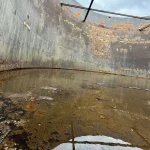
Sediment naturally accumulates over time. However, excessive buildup reduces tank efficiency. It decreases storage capacity and affects water flow. It can also damage internal components.
Sediment may not always be visible from outside. Regular inspection is necessary to detect it.
If buildup is significant, professional cleaning is recommended. You can follow a water tank maintenance checklist to stay on schedule.
Faulty Valves and Fittings
Valves control water flow and system pressure. When they fail, the entire system can be affected. Signs include difficulty opening or closing valves. You may also notice inconsistent water flow.
Worn or damaged fittings can cause leaks. They may also reduce system efficiency.
Routine checks help identify these issues early. Replacing faulty parts prevents larger failures.
Inaccurate Water Level Readings
Water level indicators are essential for system management. If they fail, the tank may overflow or run dry. Watch for inconsistent or incorrect readings. This may indicate sensor or float valve issues.
Electronic systems should respond quickly and accurately. Manual backups should also be tested regularly.
Ignoring faulty indicators can disrupt operations. It may also lead to unnecessary water loss.
Unusual Noises or Structural Changes
Unusual sounds may indicate internal stress or damage. These include creaking, banging, or vibration. Changes in tank shape or alignment are also warning signs. They suggest structural weakness or pressure issues.
These problems should never be ignored. They often require immediate professional inspection.
Structural failure can occur if issues are left unresolved. Early action reduces safety risks.
Lack of Regular Servicing
One of the biggest risk factors is neglect. Tanks that are not regularly maintained are more likely to fail. Without scheduled inspections, small issues go unnoticed. Over time, they develop into serious problems.
A structured maintenance plan helps avoid this. It ensures consistent performance and safety.
If your system has not been checked recently, it is time to act. Professional support may be required.
When to Take Action
Not all issues require immediate repair. However, they should always be assessed.
Take action if you notice:
- visible rust or corrosion
- leaks or moisture
- poor water quality
- faulty components
If multiple signs appear, urgent maintenance is recommended.
Delaying action increases the risk of failure.
For ongoing support, consider water storage tank maintenance services.
Final Thoughts
Water tanks provide clear warning signs before problems escalate. Recognising them early helps avoid costly repairs.
Regular inspection and timely action are essential. They protect both the system and water quality. A proactive approach ensures long-term reliability. It also reduces the likelihood of unexpected breakdowns.
If you are unsure about your tank’s condition, do not wait. Early maintenance is always more effective than emergency repairs.