Fire protection systems depend not only on equipment and infrastructure but also on clearly defined regulatory standards that guide maintenance, reliability, and operational readiness. In Australia, AS1851 provides a structured framework for the routine servicing of fire protection systems and equipment.
Understanding the role of AS1851 in fire protection helps explain how consistent standards support safety planning, infrastructure reliability, and long-term risk management.
A Framework for System Reliability
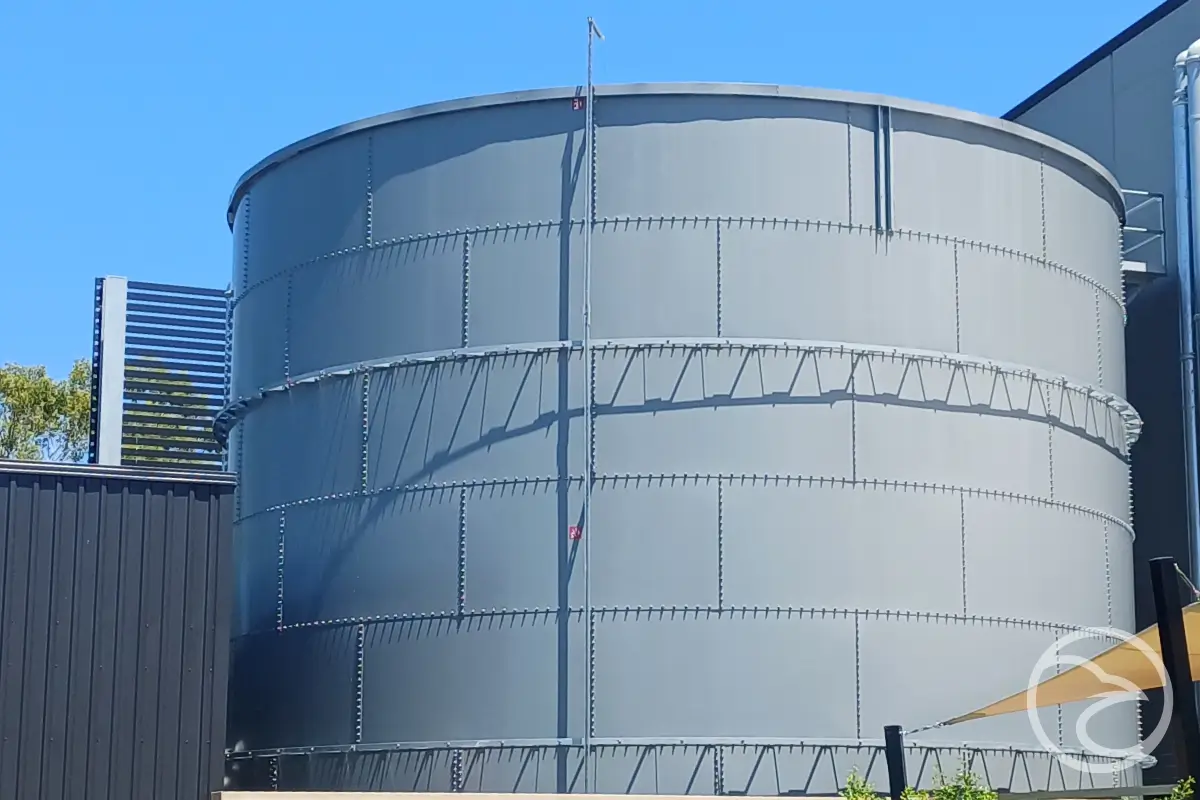
Fire protection infrastructure includes a wide range of components such as suppression systems, water storage, pumps, alarms, and monitoring equipment. Ensuring that these systems remain operational requires structured maintenance practices rather than ad hoc interventions.
Standards like AS1851 establish consistent guidelines that help organisations maintain readiness. By defining expectations around servicing intervals, documentation, and performance verification, the framework supports system reliability across diverse environments.
Supporting Preventive Safety Practices
Preventive maintenance is central to modern fire safety strategies. Rather than reacting to system failures, infrastructure managers increasingly focus on early detection and proactive care.
The AS1851 framework contributes to this approach by outlining procedures that help identify potential issues before they escalate. Consistent monitoring, structured documentation, and defined service routines can reduce the likelihood of unexpected system interruptions.
Integration with Broader Fire Safety Planning
Fire protection standards do not operate in isolation. They interact with building codes, safety regulations, emergency response planning, and infrastructure management strategies.
AS1851 plays a role within this broader ecosystem by helping ensure that installed systems remain aligned with operational expectations. When integrated effectively, these standards contribute to coordinated safety planning across industrial facilities, commercial buildings, and public infrastructure.
Documentation and Accountability
Another important aspect of structured standards involves documentation. Maintaining clear service records supports accountability, regulatory compliance, and operational transparency.
Consistent documentation can assist organisations in demonstrating readiness, tracking system performance trends, and identifying areas where improvements may be needed. This record-keeping approach also helps support informed decision-making over time.
Risk Management Considerations
Fire protection infrastructure is closely tied to risk management strategies. Reliable systems help reduce potential safety incidents, operational disruption, and financial loss.
Standards such as AS1851 contribute to risk mitigation by promoting consistency in servicing practices. When maintenance expectations are clearly defined, organisations can better manage uncertainties associated with system reliability.
Evolving Safety Expectations
Fire protection standards continue to evolve alongside technological advancements and changing infrastructure needs. New monitoring tools, digital record-keeping systems, and automated diagnostics are influencing how maintenance practices are implemented.
Frameworks like AS1851 provide a foundation that can adapt to these changes while maintaining consistent safety objectives. This adaptability helps ensure that fire protection infrastructure remains effective as technology advances.
Maintaining operational readiness usually involves ongoing safety infrastructure review processes that support consistent performance.
A Broader Perspective on Fire Protection Standards
Understanding the role of AS1851 in fire protection highlights the importance of regulatory frameworks in supporting safety infrastructure. Standards help align equipment performance, maintenance practices, and operational expectations across different industries and environments.
While infrastructure design and technology remain essential, structured standards provide the organisational backbone that supports long-term safety readiness. By guiding maintenance practices and promoting accountability, frameworks like AS1851 help ensure that fire protection systems continue to operate reliably when they are needed most.