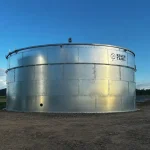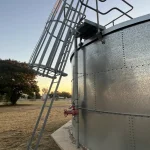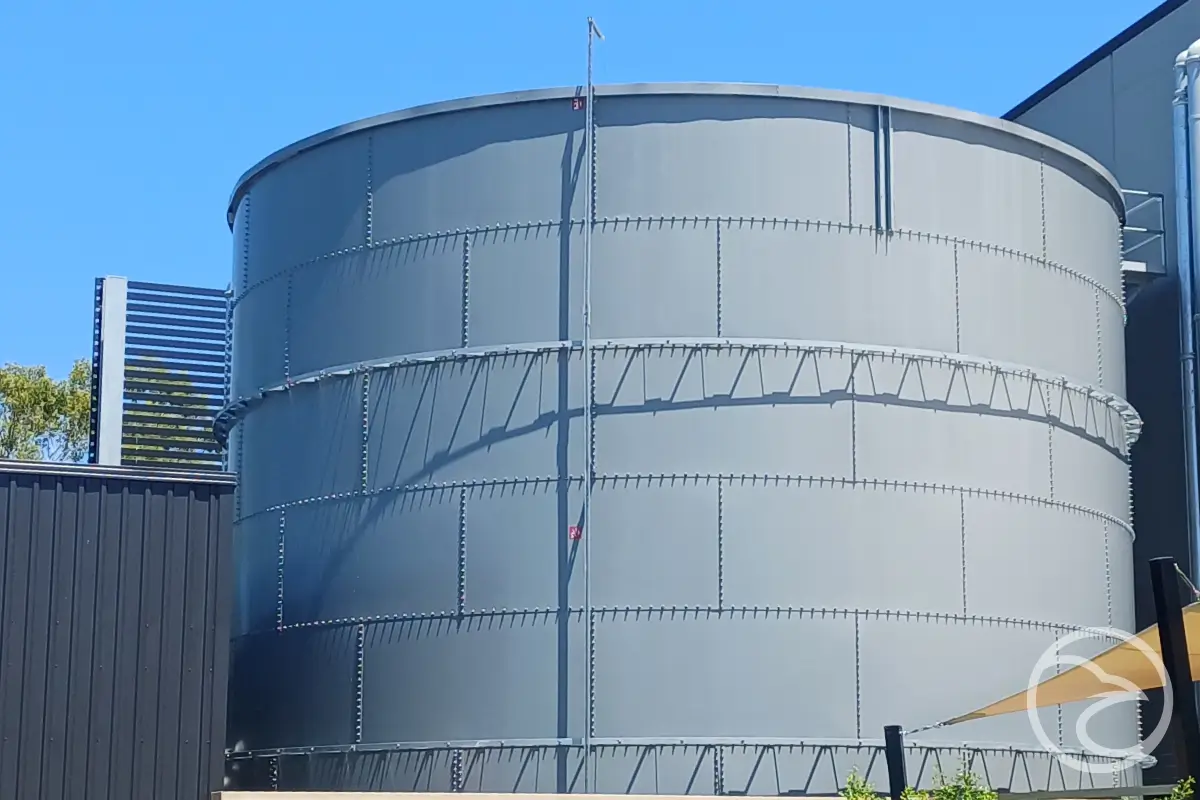
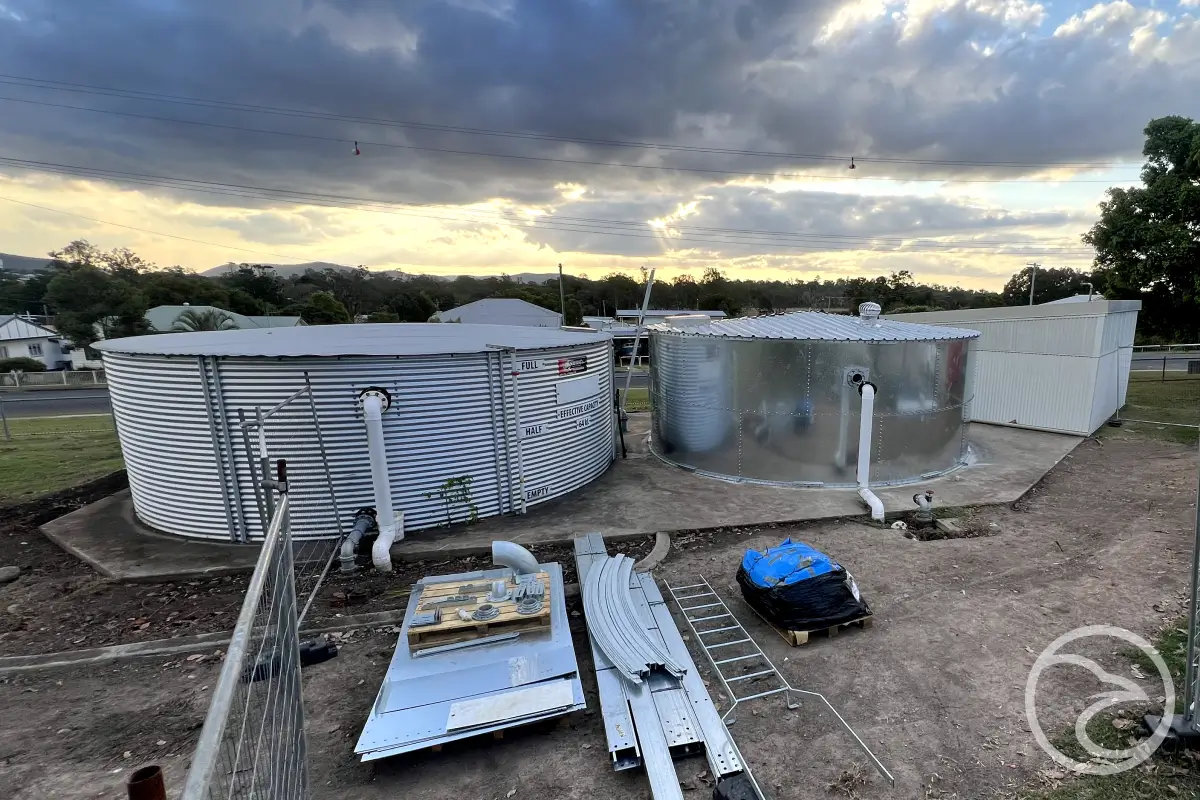
Fire tanks are designed to provide a reliable water supply during emergencies. However, even well-installed systems can fail over time if they are not properly maintained or inspected.
Understanding common fire tank inspection failures helps property owners identify risks early, maintain compliance, and avoid costly system breakdowns. This guide outlines the most frequent issues found during inspections, what causes them, and how to prevent them.
What are Fire Tank Inspection Failures
Fire tank inspection failures occur when a tank or its components do not meet required performance, safety, or compliance standards.
These failures are typically identified during routine fire tank inspections, where issues such as structural damage, contamination, or system faults are detected.
Failing an inspection does not always mean system failure – but it does indicate that corrective action is required.
Most Common Fire Tank Inspection Failures
Several recurring issues are commonly identified during inspections. Understanding these problems can help you detect them early and prevent escalation.
1. Corrosion and Material Degradation
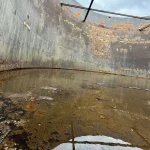
Corrosion is one of the most frequent causes of failure, especially in metal tanks exposed to moisture and environmental conditions.
Common signs include:
- Rust on internal or external surfaces
- Weakening of structural components
- Deterioration of coatings or liners
If left untreated, corrosion can compromise the tank’s structural integrity.
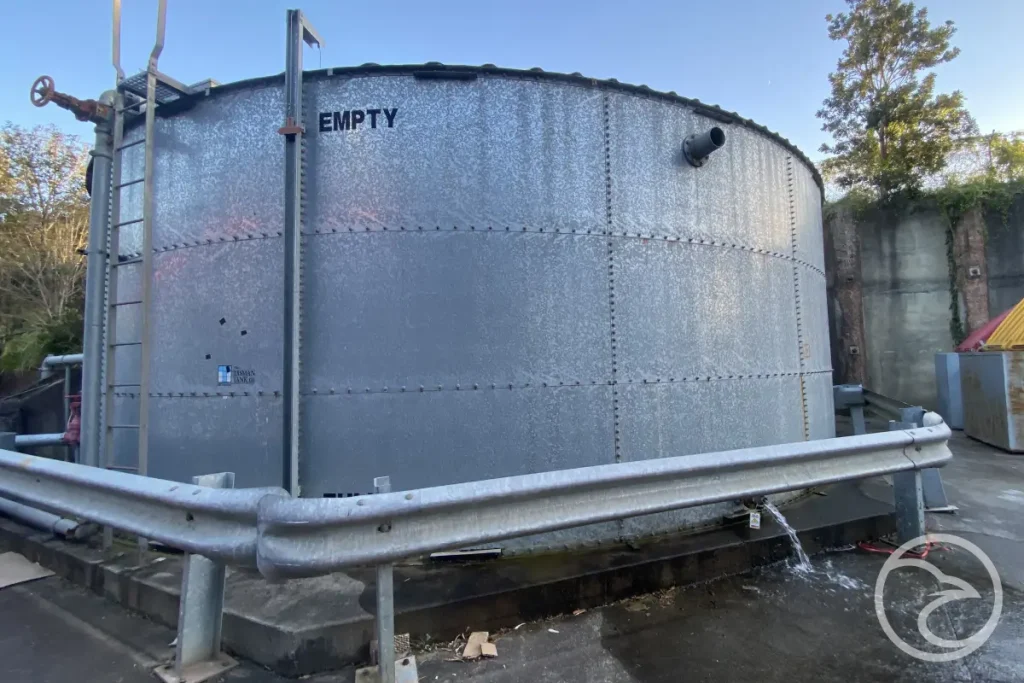
2. Leaks and Water Loss
Leaks are a critical issue that can reduce the availability of water during emergencies.
Inspection failures may be triggered by:
- Visible water leaks
- Drops in water level
- Cracks or damaged joints
Leaks often indicate underlying structural problems.
3. Sediment Buildup and Contamination
Over time, debris and sediment can accumulate inside the tank, affecting water quality and system performance.
Common issues include:
- Blocked outlets
- Reduced water flow
- Contaminated water
These problems are often identified during inspections using a structured fire tank inspection checklist.
4. Faulty Valves and Pipe Connections
Mechanical components are essential for delivering water during a fire event.
Failures may include:
- Leaking or damaged valves
- Loose or corroded connections
- Reduced system pressure
If these components fail, the entire system may become ineffective.
5. Structural Damage
Structural issues can develop due to age, environmental exposure, or lack of maintenance.
These may include:
- Cracks in tank walls
- Deformation of the structure
- Damage to the roof or base
Structural failures can lead to serious safety risks.
6. Poor Water Quality
Water quality is often overlooked but plays a critical role in system performance.
Inspection failures may occur due to:
- Algae growth
- Discoloration
- Unpleasant odors
Poor water quality can damage equipment and reduce efficiency.
What Causes Fire Tank Inspection Failures
Most failures are not random—they develop over time due to identifiable factors:
- Lack of Maintenance: Without regular servicing, small issues can grow into major problems. Many failures are preventable with proper fire tank maintenance requirements.
- Environmental Conditions: Exposure to weather, humidity, and contaminants can accelerate deterioration.
- Age and Wear: Older tanks are more likely to experience structural and material issues.
- Irregular Inspections: Skipping inspections increases the risk of undetected problems.
How to Identify Failures Early
Early detection is key to preventing serious damage.
Warning signs are often covered in signs your fire tank needs inspection, and may include:
- Visible corrosion
- Water loss
- Changes in water quality
- Unusual system behavior
Regular monitoring helps catch these issues before they escalate.
How to Prevent Fire Tank Inspection Failures
Preventing failures requires a proactive approach:
- Follow a Routine Inspection Schedule: Consistent inspections help identify issues early and ensure system reliability.
- Perform Regular Maintenance: Cleaning, servicing, and monitoring system components help prevent deterioration.
- Use a Structured Inspection Process: A checklist ensures that all critical areas are assessed during each inspection.
- Address Issues Immediately: Delaying repairs or maintenance can lead to more serious failures.
How Failures Impact Compliance
Inspection failures can directly affect compliance with safety standards.
Under AS1851 fire tank compliance, fire protection systems must meet specific inspection and maintenance requirements.
Failure to address issues can result in:
- Non-compliance
- Increased risk
- Potential system failure
Final Thoughts
Understanding common fire tank inspection failures is essential for maintaining a safe and reliable fire protection system. Most failures develop gradually and can be prevented through regular inspections and maintenance.
By identifying issues early and taking corrective action, property owners can reduce risks, maintain compliance, and ensure their systems perform when they are needed most.