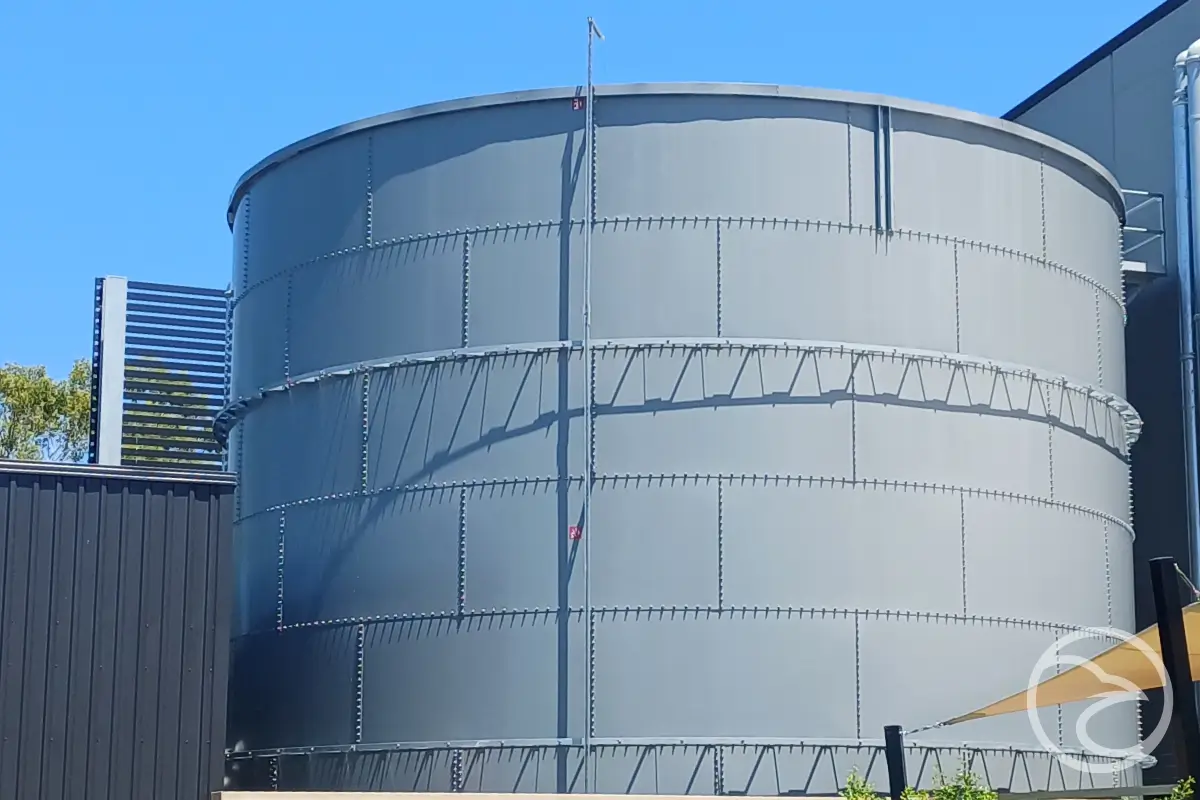

Potable water tanks play a critical role in storing safe drinking water for residential, commercial, and industrial use. To maintain water quality and protect public health, regular inspections are essential. Understanding how potable water tanks are inspected helps facility managers and operators ensure compliance, reduce risks, and extend the lifespan of their storage systems.
Why Potable Tank Inspections are Important
Potable tanks are constantly exposed to environmental factors, internal wear, and potential contamination risks. Over time, sediment buildup, corrosion, structural damage, or biological growth can compromise water quality. Routine inspections help identify these issues early, ensuring the stored water remains safe for consumption and the tank structure remains sound.
Inspections also support compliance with hygiene standards and water safety regulations, which often require documented inspection and maintenance procedures.
The Potable Tank Inspection Process
The inspection process typically follows a structured approach designed to minimize risk while providing accurate results. Before any inspection begins, the tank’s usage history, design, and previous inspection records are reviewed. This step helps inspectors determine the most suitable inspection method.
Once planning is complete, the inspection itself focuses on three main areas: structural condition, internal cleanliness, and safety compliance.
Common Potable Water Tank Inspection Methods
Several inspection methods are used depending on tank size, location, and accessibility.
Visual Condition Assessments
Visual inspection is the most basic and widely used method. Inspectors examine external surfaces for signs of corrosion, leaks, or damage. Internal visual checks focus on tank walls, floors, joints, and roof areas where deterioration or contamination is most likely to occur.
For smaller tanks, this may involve direct visual access once the tank is drained and cleaned.
Non-Entry Assessments Methods
Non-entry inspections are increasingly preferred due to their safety benefits. These methods allow inspectors to assess tank conditions without physically entering the confined space. Remote visual tools and monitoring equipment are used to inspect internal surfaces while the tank remains isolated or partially operational.
Non-entry approaches significantly reduce health risks associated with confined space assessments and help limit service interruptions.
Visual and Remote Assessments Techniques
Modern potable water tank assessments often rely on advanced visual technologies. High-resolution cameras and remote imaging tools provide clear views of internal surfaces, welds, and hard-to-reach areas. These tools are especially useful for identifying cracks, coating failures, and sediment accumulation.
Remote assessments techniques also improve documentation accuracy by capturing images and video records that can be reviewed later for analysis and reporting.

Safety Considerations During Inspections
Safety is a key factor in potable water tank inspections. Tanks are classified as confined spaces, meaning they present hazards such as limited access, poor ventilation, and potential exposure to harmful substances.
To manage these risks, inspections follow strict safety protocols. These include atmosphere testing, isolation procedures, and continuous monitoring. Non-entry inspection methods are often chosen specifically to reduce the need for personnel to enter hazardous environments.
When Advanced Technologies are Used
In certain situations, advanced inspection technologies are required. Large tanks, complex internal structures, or tanks that cannot be easily drained often benefit from remote inspection solutions. These technologies enable detailed assessments without compromising water quality or operational efficiency.
Advanced tools are also useful for routine condition monitoring, helping operators track gradual changes over time rather than relying solely on periodic manual inspections.
Key Challenges in Potable Water Tank Evaluations
Inspecting potable water tanks presents several challenges. Maintaining hygiene standards during inspections is critical, as any introduced contaminants can affect water safety. Limited visibility, access constraints, and operational downtime are additional concerns.
Choosing the right assessments method helps address these challenges while ensuring accurate results and minimal disruption.
Final Thoughts on Potable Water Tank Evaluations
Understanding how potable water tanks are inspected highlights the importance of regular monitoring, proper planning, and safe inspection practices. By using a combination of visual, non-entry, and remote inspection methods, tank operators can protect water quality, ensure compliance, and extend the service life of their tanks.
Well-executed inspections are not just a regulatory requirement—they are a key part of maintaining safe and reliable potable water systems.
An overview of modern inspection approaches for tanks is available for readers seeking more technical context.