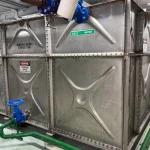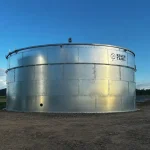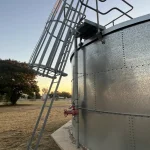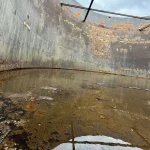

Fire tanks are a critical part of any fire protection system, providing the water supply needed during emergencies. However, without proper inspection, even a well-installed system can fail when it matters most.
Using a structured fire tank inspection checklist helps ensure that all components are functioning correctly, supports compliance with safety standards, and reduces the risk of costly failures. This guide outlines what should be checked during routine inspections and why each step is essential.
Why Fire Tank Inspections are Important
Fire tanks must remain fully operational at all times. Over time, factors such as corrosion, sediment buildup, and environmental exposure can affect performance.
Regular fire tank inspections help:
- Detect issues early
- Maintain system reliability
- Ensure compliance with safety standards
- Extend the lifespan of the tank
Inspections are not just a maintenance task—they are essential for safety and preparedness.
Complete Fire Tank Inspection Checklist
A comprehensive checklist ensures that no critical element is overlooked during inspection. Below are the key areas to evaluate.
1. Structural Condition of the Tank
The physical integrity of the tank is the foundation of system reliability.
Check for:
- Cracks, corrosion, or deformation
- Signs of leaks or water loss
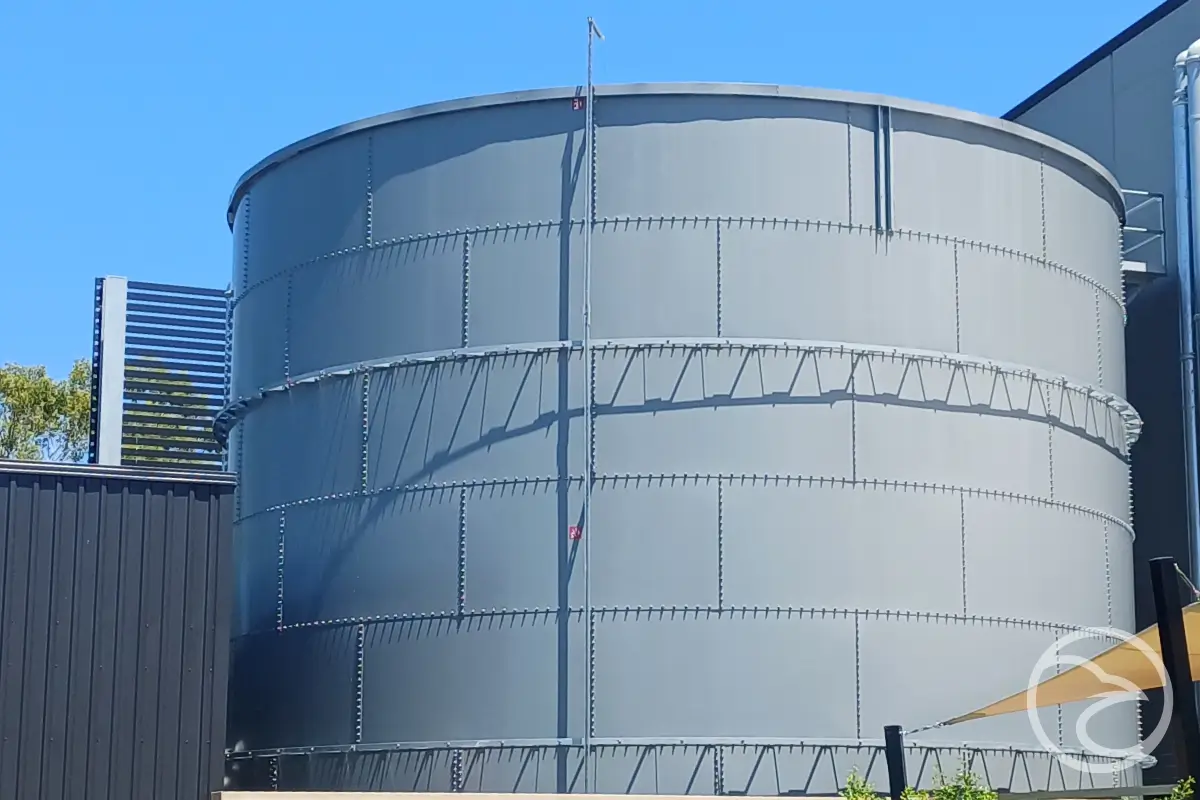
- Condition of tank walls, roof, and base
- Integrity of joints and seams
Structural damage can compromise the entire system.
2. Water Level and Supply
Maintaining the correct water level is essential for emergency readiness.
Inspect:
- Water level indicators
- Automatic refill systems
- Sudden or unexplained drops in water levels
Guidelines on inspection frequency can be found in how often fire tanks should be inspected, which outlines how often these checks should be performed.
3. Water Quality
Water quality directly impacts system performance and equipment durability.
Check for:
- Sediment accumulation
- Algae or biological growth
- Discoloration or unusual odors
Poor water quality can damage pumps and block system components.
4. Valves, Pumps, and Pipe Connections
All mechanical components must operate correctly to ensure water delivery.
Inspect:
- Valves for leaks or damage
- Pipe connections for corrosion or looseness
- Pumps for proper function
Issues in these components can prevent the system from operating during emergencies.
5. Overflow and Drainage Systems
Overflow and drainage systems help regulate water levels and prevent structural damage.
Check:
- Overflow outlets
- Drainage pipes
- Blockages or obstructions
Proper drainage ensures safe tank operation under all conditions.
6. Access Points and Safety Features
Safe access is essential for ongoing inspection and maintenance.
Inspect:
- Ladders and platforms
- Entry points and hatches
- Safety barriers and signage
In some cases, inspections may require confined space entry, where specialized confined space solutions are necessary to ensure safety.
7. Internal Tank Condition (if Accessible)
Internal inspections provide a deeper understanding of the tank’s condition.
Check for:
- Internal corrosion
- Sediment buildup
- Condition of coatings or liners
In situations where direct access is limited, technologies such as ROV tank inspection can be used to inspect submerged areas without draining the tank.

Common Issues Found During Inspections
Even well-maintained fire tanks can develop issues over time. Common problems include:
- Corrosion and structural wear
- Undetected leaks
- Sediment accumulation
- Faulty valves or connections
- Reduced water quality
Many of these issues are early signs your fire tank needs inspection and should be addressed immediately.
How this Checklist Supports AS1851 Compliance
A structured inspection process is essential for meeting regulatory requirements. Using a checklist ensures consistency and helps document inspection activities.
This aligns with AS1851 fire tank compliance, which requires regular inspections, maintenance, and accurate record-keeping.
A checklist helps:
- Standardize inspections
- Improve accuracy
- Ensure nothing is overlooked
How Often Should this Checklist be Used
Inspection frequency depends on system requirements and regulatory standards.
Typically, inspections are performed:
- Monthly for basic checks
- Quarterly for more detailed inspections
- Annually for comprehensive assessments
Following a consistent schedule ensures all checklist items are regularly reviewed and documented.
Final Thoughts
A well-structured fire tank inspection checklist is essential for maintaining safe and reliable fire protection systems. By regularly checking structural condition, water quality, and system components, potential issues can be identified early and addressed before they escalate.
Consistent inspections not only support compliance but also ensure that your fire protection system performs when it is needed most.