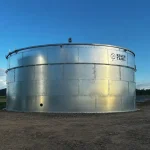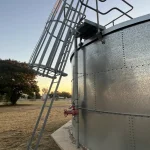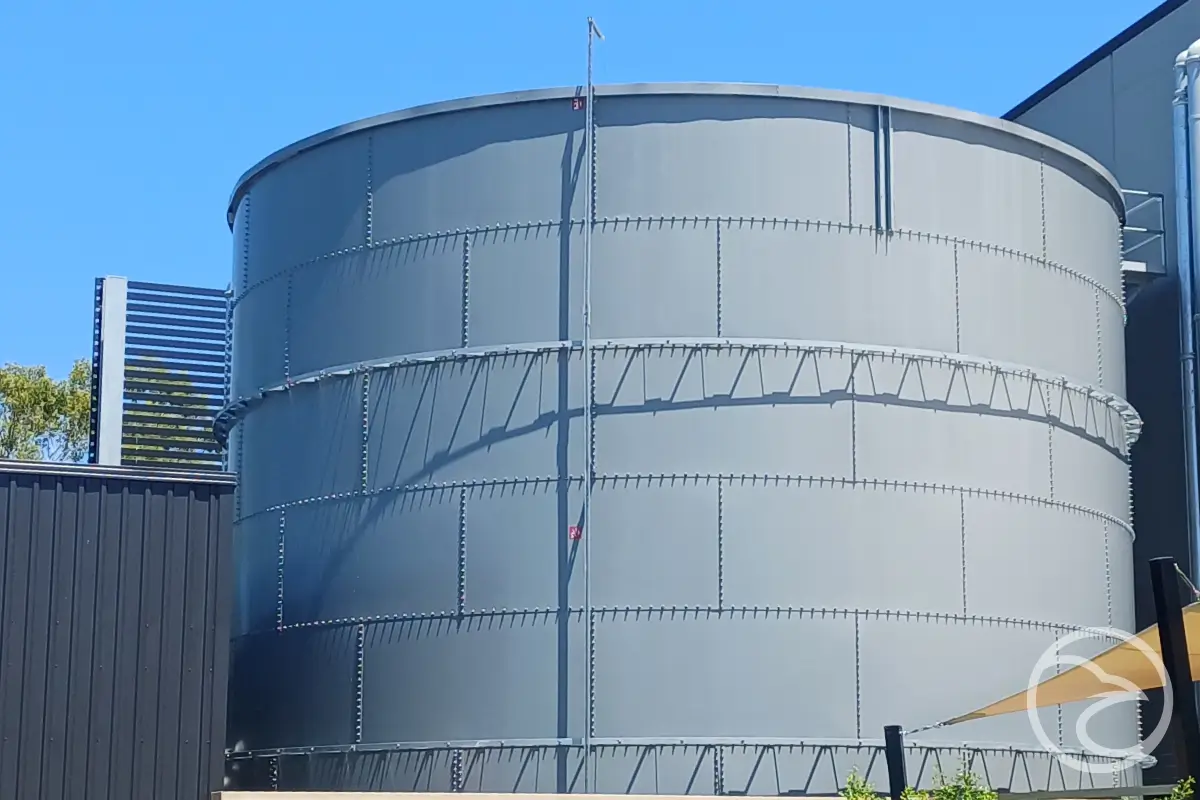
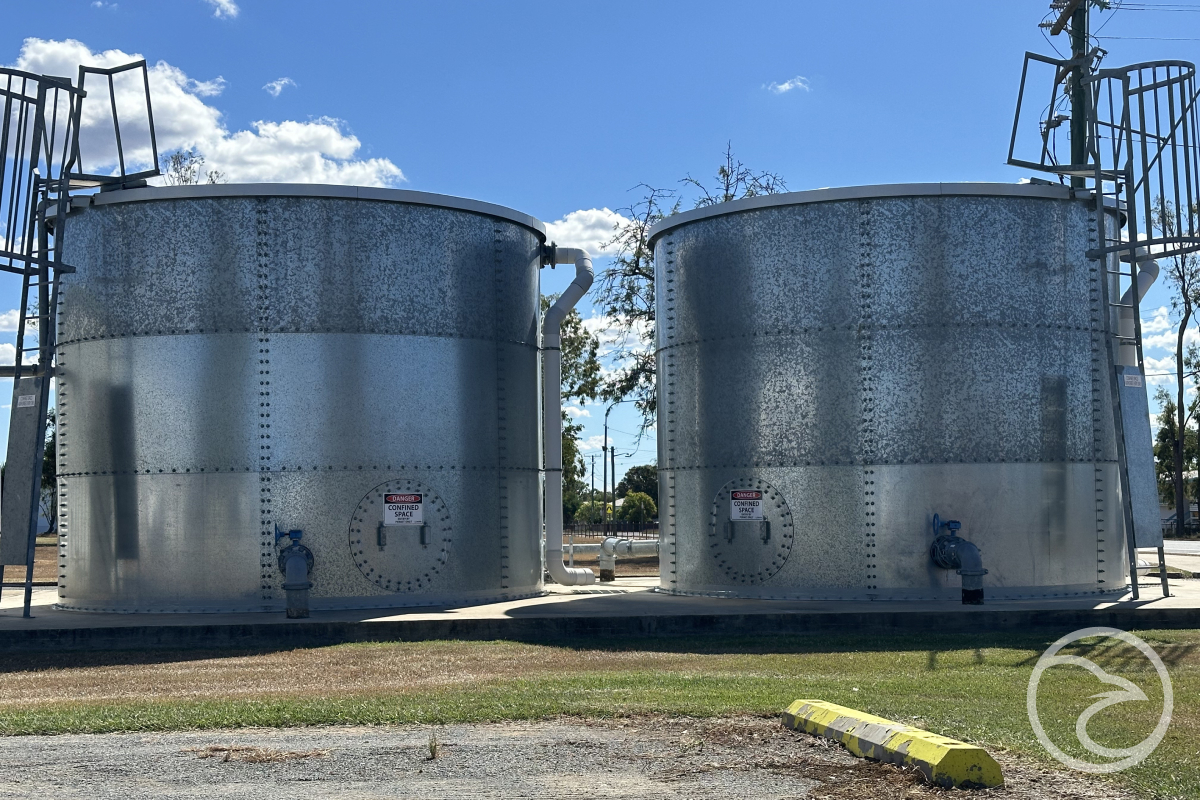
Hot-dipped galvanised tanks are widely used for water storage across many industries and applications. However, not every type of water creates the same conditions inside a galvanised steel tank.
Rainwater, potable water, bore water, and treated water can have very different chemical properties. Factors such as pH, hardness, chlorides, minerals, and temperature can influence water interaction with galvanised steel.
Understanding these differences is important when selecting a tank for a particular water source. This guide explains how common water types interact with hot-dipped galvanised tanks.
It also covers the main water characteristics that should be considered before tank selection.
Why does Water Type Matter in Galvanised Tanks?
Water may look similar regardless of its source. Chemically, however, different water sources can vary considerably. Groundwater can contain high concentrations of dissolved minerals.
Rainwater may contain airborne contaminants or substances collected from roof surfaces. Treated water may contain disinfectants and other chemicals.
Saline water contains higher concentrations of dissolved salts. These differences can affect the conditions inside a galvanised steel tank.
Important water characteristics include:
- pH level
- Water hardness
- Chloride concentration
- Mineral content
- Salinity
- Dissolved oxygen
- Water temperature
- Treatment chemicals
- Water movement
- Dissolved gases
These factors should usually be considered together. One measurement alone rarely provides a complete picture of water compatibility.
Choose galvanised steel tanks for a practical and reliable water storage solution across demanding applications.
Can Hot-Dipped Galvanised Tanks Store Rainwater?
Rainwater is one of the common water sources stored in tanks. However, rainwater chemistry varies between locations and collection systems. Rainwater can collect substances while passing through the atmosphere.
It can collect additional material after reaching roofs, gutters, and other catchment surfaces.
These substances may include:
- Dust
- Organic matter
- Airborne particles
- Salts
- Dissolved gases
- Roof debris
- Environmental pollutants
Location can make a significant difference. For example, coastal environments may introduce airborne salts into rainwater collection systems.
Industrial environments can expose catchments to different airborne contaminants. Roof materials and gutter conditions can also influence collected water. Therefore, rainwater should not automatically be considered chemically neutral.
The complete collection and storage system should be considered. Good rainwater management can also reduce unnecessary contamination. Screens can prevent leaves and larger debris from entering the tank.
First-flush systems can reduce contaminants entering from roof catchments. Tank inlets and openings should also remain protected from external contamination.
Learn how galvanising protects steel in our guide to galvsnised steel tanks: zinc coating and its role in corrosion protection.
Are Galvanised Tanks Suitable for Potable Water?
Hot-dipped galvanised tanks can be used in certain potable water applications. However, drinking water requires additional considerations. Materials contacting drinking water must meet applicable requirements for the intended application.
The quality of stored water must also remain suitable for consumption. Tank selection is only one part of potable water management.
The complete system can include:
- Catchment surfaces
- Gutters
- Pipework
- Screens
- Pumps
- Tank fittings
- Treatment equipment
Each component can influence final water quality. New galvanised surfaces can also affect the taste of stored water initially. This is one reason potable water applications require careful system planning.
Regular maintenance may also be required. Testing can provide additional information where drinking water quality is uncertain.
Local requirements should always be considered before using stored water for human consumption.
How Does pH Affect Galvanised Steel Tanks?
pH is an important consideration when assessing water compatibility. It indicates whether water is acidic, neutral, or alkaline. A pH of seven is considered neutral.
Lower values indicate acidic conditions. Higher values indicate alkaline conditions. Galvanised steel generally performs more predictably within a moderate pH range.
Strongly acidic or strongly alkaline water can create more aggressive conditions. However, pH should not be considered alone. Two water sources with identical pH readings may contain very different dissolved substances.
Temperature can also change the way water interacts with metal surfaces. The same applies to oxygen levels and water movement.
Therefore, pH is best considered as part of a broader water analysis. This becomes particularly important for industrial water and unusual groundwater sources.
What is the Difference Between Hard and Soft Water?
Water hardness mainly relates to dissolved calcium and magnesium. Hard water contains higher concentrations of these minerals. Soft water contains lower concentrations.
This distinction can influence conditions inside a galvanised steel tank. Minerals in harder water can sometimes form deposits on submerged surfaces. These deposits can create an additional barrier between water and the galvanised surface.
Soft water usually forms these mineral deposits less readily. However, water hardness does not determine compatibility by itself. Chlorides, pH, temperature, and dissolved oxygen also matter.
The complete chemical composition remains more important than a simple hard or soft classification.
Can Hot-Dipped Galvanised Tanks Store Hard Water?
Hard water is common across many groundwater and municipal water supplies. Its mineral content varies according to local geology. Calcium and magnesium are usually the main minerals associated with water hardness.
Under suitable conditions, hard water can form carbonate deposits on galvanised surfaces. These deposits can reduce direct contact between water and the metal surface. However, excessive mineral deposits can create other operational considerations.
Scale can accumulate around fittings, pipes, valves, or other system components. Hard water may therefore require maintenance for reasons unrelated to the tank structure. Its overall suitability still depends on the complete water chemistry.
High chloride concentrations can change the conditions considerably. Unusual pH levels may also require further assessment.
What About Soft Water?
Soft water contains relatively low levels of calcium and magnesium. It may behave differently around galvanised surfaces. Protective mineral deposits can be less likely to develop.
This leaves the galvanised surface more directly exposed to stored water. Soft water can therefore require closer consideration in some applications. The presence of other dissolved substances becomes particularly important.
Chlorides can create more demanding conditions. Acidic water may also require additional assessment. Soft water should not automatically be considered unsuitable.
Likewise, it should not automatically be considered harmless. Testing provides a clearer understanding when the source has uncertain chemistry.
Are Hot-Dipped Galvanised Tanks Suitable for Bore Water?
Bore water presents one of the more variable water storage environments. Its composition depends heavily on underground geology.
Two bores located in different areas can produce very different water.
Bore water may contain varying concentrations of:
- Calcium
- Magnesium
- Iron
- Manganese
- Chlorides
- Carbonates
- Sulphates
- Dissolved salts
- Other minerals
It can also contain dissolved gases and organic material. These substances can influence water compatibility with tank materials.
Some bore water may create relatively mild conditions. Other sources may contain elevated salts or unusual pH levels. For this reason, bore water should ideally be assessed before selecting a storage system.
Laboratory testing can identify important chemical characteristics. Useful measurements may include pH, hardness, chlorides, and total dissolved solids.
Salinity can also be important for some groundwater sources. Testing allows tank selection to reflect actual conditions rather than assumptions about bore water.
What About Freshwater Storage?
The term freshwater covers many different water sources. It can include rivers, lakes, groundwater, rainwater, and municipal supplies. Freshwater does not necessarily mean chemically neutral water.
Mineral concentrations can vary considerably. So can pH, oxygen levels, hardness, and chloride concentrations. Water from a mineral-rich groundwater source differs significantly from collected rainwater.
River water may also change seasonally. Flooding and heavy rainfall can influence sediment and dissolved substances. Therefore, freshwater should be assessed according to its actual source.
The intended use should also be considered. Water used for irrigation has different quality requirements from drinking water.
Industrial freshwater may require another set of specifications.
Can Galvanised Tanks Store Treated Water?
Treated water covers a broad range of applications. Municipal drinking water is treated differently from industrial process water. Wastewater treatment involves another set of chemical conditions.
Therefore, the term “treated water” does not describe one specific environment.
Treatment can change:
- pH
- Disinfectant concentration
- Mineral balance
- Dissolved solids
- Chloride levels
- Biological activity
These changes can affect material compatibility. The treatment process should therefore be understood before choosing a tank.
Normal drinking water should not be treated like highly processed industrial water. Likewise, wastewater should not be assessed using potable water assumptions.
Each application needs its own evaluation. Once water compatibility is established, explore water storage tank dimensions to compare practical sizing options for your storage requirements.
What about Chlorinated Water?
Chlorine is commonly used to disinfect water. Its concentration depends on the application and treatment process. Low concentrations used in potable water differ from heavily chlorinated environments.
This distinction is important for galvanised steel tanks. Higher chemical concentrations can create more demanding storage conditions. Temperature and pH can further influence those conditions.
Water treatment processes may also change over time. Operators should therefore understand expected chlorine concentrations before tank selection.
The presence of chlorine alone does not provide enough information. The wider chemical profile remains important.
Why are Chlorides Important?
Chlorides are naturally present in many water sources. Their concentration can vary from very low to extremely high. Groundwater can contain elevated chloride levels.
Coastal environments can also increase exposure to salts. Some industrial water sources may contain additional chlorides. Chloride concentration matters because these ions can create aggressive conditions for metals.
Their effect also depends on other water properties. Hardness can influence how the surface responds. So can temperature, oxygen, and pH.
For this reason, chloride levels are particularly useful when assessing unusual water sources. Testing is advisable when elevated salt content is suspected.
Can Hot-Dipped Galvanised Tanks Store Saline Water?
Saline water contains higher levels of dissolved salts than normal freshwater. These salts create a more demanding environment for many materials. Chlorides are particularly important.
However, salinity should not be considered as a single isolated measurement. Temperature also matters. Dissolved oxygen can influence conditions inside the tank.
Water movement may create additional effects. The concentration and combination of dissolved minerals are also important. Brackish water presents another variable environment.
It contains more salts than freshwater but less than seawater. Its composition can vary substantially between locations.
Highly saline applications may therefore require a more detailed material assessment. Additional internal protection may also be considered where appropriate.
Is Seawater Different From other Saline Water?
Seawater has a complex chemical composition. It contains chlorides, magnesium, calcium, sulphates, and many other dissolved substances. These compounds interact in ways that differ from ordinary freshwater.
Seawater also presents different conditions depending on temperature and movement. A static storage environment differs from an open marine environment.
Splash zones create another set of conditions. Repeated wetting and drying can affect exposed surfaces differently from permanent immersion. Therefore, seawater storage should be evaluated as a specialised application.
A general freshwater specification should not automatically be applied to seawater storage.
Can Galvanised Tanks Store Distilled Water?
Distilled water contains very low concentrations of dissolved minerals. This might appear beneficial for metal storage systems. However, low mineral content creates different conditions from normal hard water.
Protective mineral deposits are less likely to form. This can leave the galvanised surface more exposed. Dissolved oxygen and carbon dioxide can also influence pure water after storage begins.
For this reason, distilled water requires specific compatibility consideration. The same principle applies to other highly purified water types.
Tank materials should match the purity requirements of the application.
What about Deionised Water?
Deionised water has had many dissolved ions removed. It is commonly used in laboratories and industrial processes. Its chemistry differs significantly from ordinary drinking water.
The lack of minerals changes its interaction with metal surfaces. Deionised water may also absorb substances after contact with air and surrounding materials.
Therefore, storage requirements can be strict. A standard water tank should not automatically be considered suitable. The required water purity should guide material selection.
Specialised industrial applications may require dedicated internal barriers or alternative materials.
Does Water Temperature Affect Compatibility?
Temperature is another important factor in water storage. Chemical reactions generally occur faster at higher temperatures. Warm water can therefore behave differently from cold water.
Temperature can also affect dissolved oxygen and mineral deposits. Outdoor tanks may experience regular temperature changes. Direct sunlight can increase stored water temperatures during warmer months.
Industrial processes may create much higher temperatures. These applications require additional consideration.
A tank designed for ambient water should not automatically be used for hot process water. Expected operating temperatures should form part of the specification process.
Does Dissolved Oxygen Matter?
Water naturally contains dissolved oxygen. The amount depends on temperature, movement, and exposure to air. Oxygen can influence corrosion processes in water storage environments.
Water entering through an inlet may introduce additional air. Pumps can also increase movement and aeration. Recirculation systems create different conditions from static storage.
The water level can also change regularly. This may expose some internal surfaces to alternating wet and dry conditions.
These factors can affect how water interacts with the tank. Therefore, system operation should be considered alongside water chemistry.
Does Water Movement Affect Galvanised Steel?
Most storage tanks contain relatively slow-moving water. However, some systems operate differently. Pumps may create regular circulation.
Industrial tanks may use mixers. High-volume systems may experience frequent filling and emptying. Water movement can affect surface deposits inside the tank.
It can also increase oxygen exposure. Local turbulence may occur around tank inlets. This means tank operation can influence internal conditions.
A static rainwater tank differs from an actively circulated process tank. Water source and operating conditions should therefore be assessed together.
When Should Water be Tested?
Detailed laboratory testing is not necessary for every water storage project. However, it can be useful when water chemistry is unknown or unusual.
Testing should be considered for:
- Bore water
- Groundwater
- Brackish water
- Saline water
- Industrial process water
- Recycled water
- Wastewater
- Chemically treated water
- Highly purified water
- Water with unusual taste or appearance
Testing may also be useful when previous storage systems experienced unexpected problems. Several measurements can help build a useful water profile.
These can include:
- pH
- Water hardness
- Chloride concentration
- Salinity
- Total dissolved solids
- Sulphates
- Alkalinity
- Temperature
The required tests depend on the intended application. Professional water analysis can help identify conditions requiring additional consideration.
When Might a Tank Liner be Needed?
Some water types may require separation from the steel tank structure. A suitable tank liner can create this internal barrier. The liner prevents stored water from directly contacting the tank wall.
This can provide another option for demanding water conditions. However, liner material must suit the stored water. A potable water application requires an appropriate liner for drinking water contact.
Industrial water may require different chemical resistance. Temperature can also affect liner selection.
The liner and tank should therefore be considered as one storage system. Choosing a liner without understanding the water chemistry can create compatibility problems.
How Should You Assess Water Before Selecting a Tank?
Water source is a useful starting point. However, it should not be the only selection factor. Two water sources with the same name may have very different chemistry.
Before selecting a hot-dipped galvanised tank, consider these questions:
- Where does the water come from?
- What will the stored water be used for?
- Is it intended for drinking?
- What is the expected pH?
- Is the water hard or soft?
- Are chloride levels elevated?
- Does the water contain significant salts?
- Will chemicals be added?
- What temperatures are expected?
- Will the water remain mostly static?
- Will pumps create regular circulation?
- Is the water quality consistent throughout the year?
- Could additional internal protection be required?
These questions help identify unusual storage conditions early. They can also determine whether water testing is appropriate.
Different Water Types Require Different Considerations
There is no single water environment inside every hot-dipped galvanised tank. Rainwater presents different conditions from bore water. Potable water differs from industrial process water.
Hard water behaves differently from very soft water. Saline water introduces challenges that may not exist with ordinary freshwater. Even water from the same source can change over time.
Seasonal conditions can affect groundwater and surface water. Treatment processes can also alter water chemistry.
This is why tank selection should consider the actual stored water. General descriptions provide a starting point, but detailed information provides better guidance.
For a closer look at durability, explore our guide to galvanised steel tank lifespan and the factors affecting long-term performance.
Final Thoughts
Hot-dipped galvanised tanks can be suitable for many different water storage applications. However, suitability depends on the characteristics of the stored water. Rainwater, potable water, bore water, and treated water each create different conditions.
Water hardness can influence how mineral deposits form on internal surfaces. pH can indicate whether water creates acidic or alkaline conditions. Chlorides and salinity deserve additional attention in groundwater and coastal applications.
Temperature, dissolved oxygen, and water movement can also influence the storage environment. Unusual water sources may require laboratory testing before tank selection. Additional internal protection may be appropriate for certain demanding applications.
Most importantly, water should not be treated as a single, chemically identical substance. Understanding the water source helps identify the most appropriate storage solution.