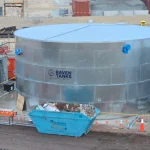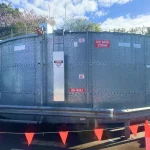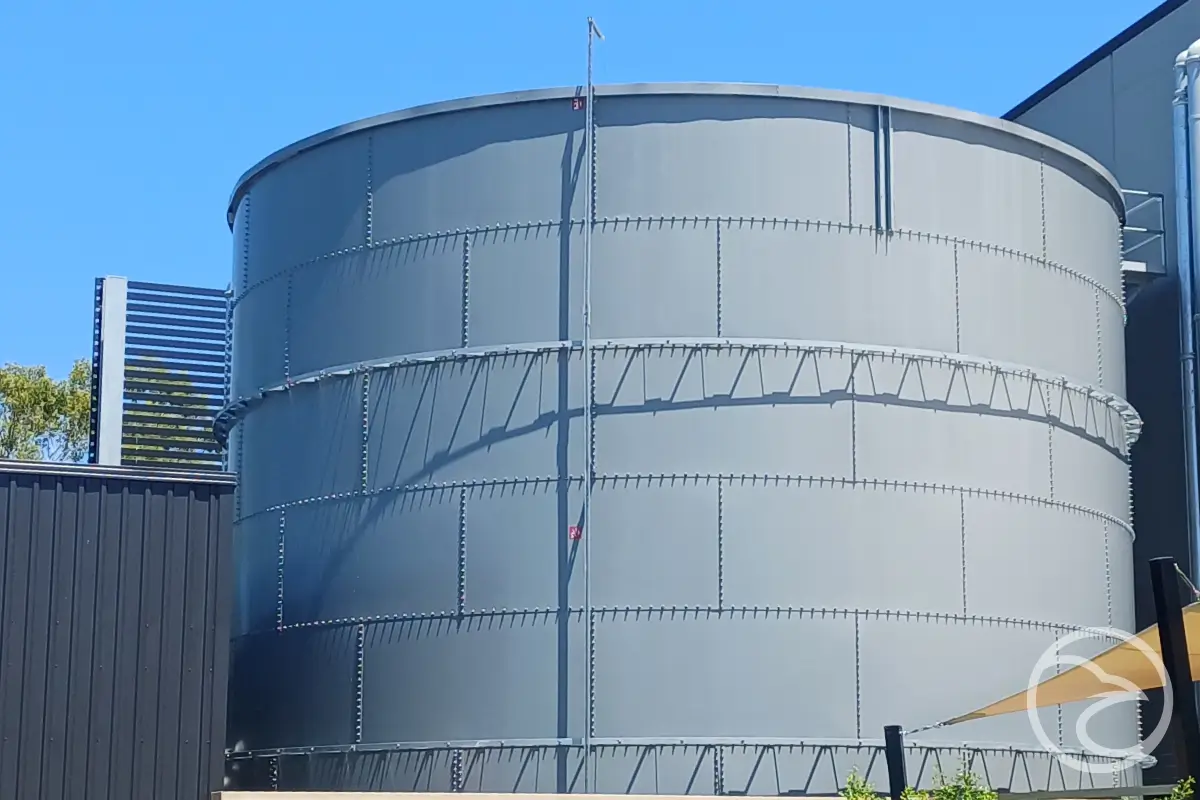
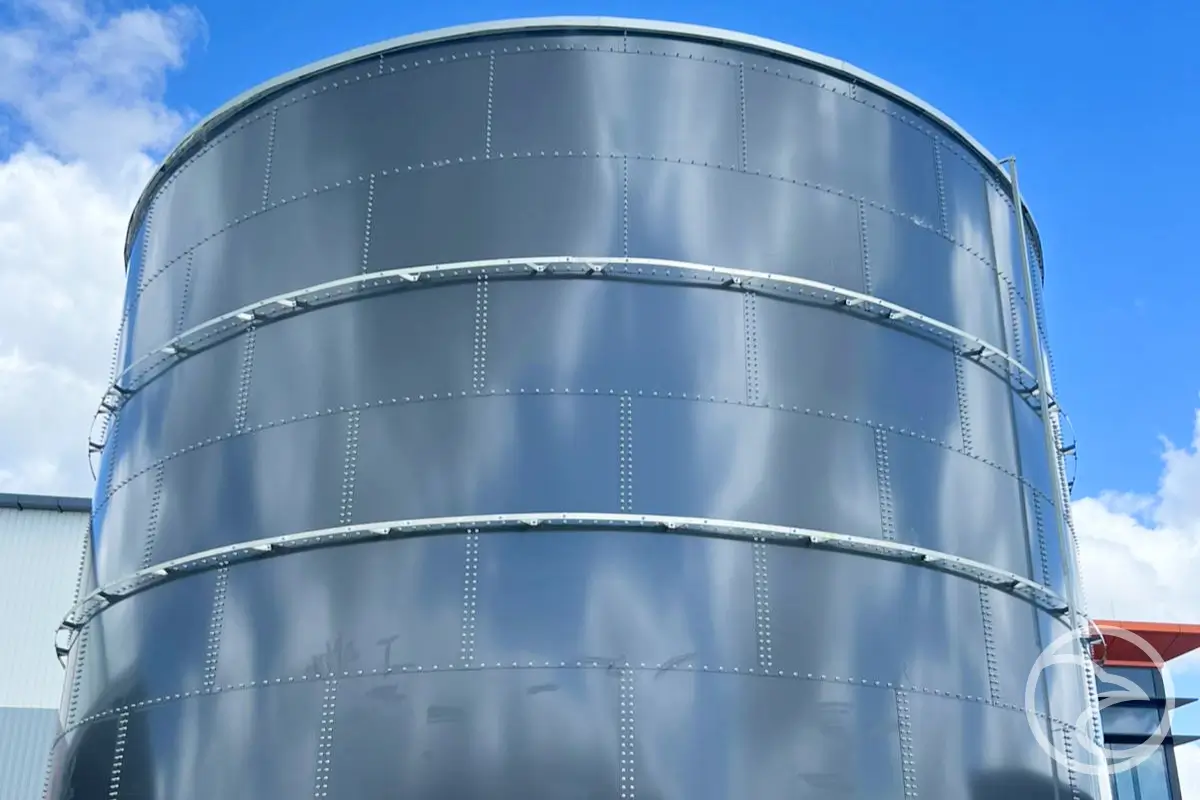
Reliable water storage depends not only on tank size or location but also on the technology used to protect stored water over time. One widely adopted solution for long-term water storage is glass-lined steel technology. Understanding how this system works helps engineers, facility managers, and asset owners evaluate its suitability for specific water quality and durability requirements.
This article focuses on explaining the technology behind glass-lined water tanks rather than promoting specific products or services.
What is Glass-Lined Steel Technology?
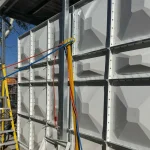
Glass-lined steel technology combines two materials with distinct advantages. Steel provides structural strength, while glass creates a chemically inert protective surface. During manufacturing, a specially formulated glass coating is permanently fused to steel panels at very high temperatures.
Unlike surface paints or flexible liners, the glass lining becomes an integral part of the steel. This fusion creates a uniform, non-porous barrier that separates stored water from direct contact with the metal substrate.
How the Glass Lining Process Works
The performance of glass-lined tanks depends heavily on the manufacturing process, which follows a series of controlled steps:
1. Steel surface preparation
Steel panels are cleaned and treated to achieve optimal bonding conditions. Surface consistency is essential for long-term coating performance.
2. Application of the glass enamel
A liquid glass-based enamel is evenly applied to the steel surface. The formulation is designed to tolerate thermal stress and long-term water exposure.
3. High-temperature fusion
The coated panels are fired in kilns at temperatures exceeding 800°C. At this stage, the glass melts and chemically bonds with the steel.
4. Cooling and inspection
After controlled cooling, each panel is inspected to ensure coating continuity and uniform thickness.
This process produces a rigid, smooth surface that remains stable under a wide range of operating conditions.
Why Glass Lining Supports Water Hygiene
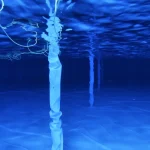
Glass-lined surfaces are valued for their hygienic properties. Glass is inert and non-reactive, meaning it does not leach substances into stored water or absorb contaminants. Its non-porous nature limits the conditions needed for bacterial growth.
Because the lining does not degrade, peel, or soften over time, it helps maintain consistent water quality. These characteristics make glass-lined technology suitable for applications where long-term water cleanliness is essential.
Corrosion Resistance Explained
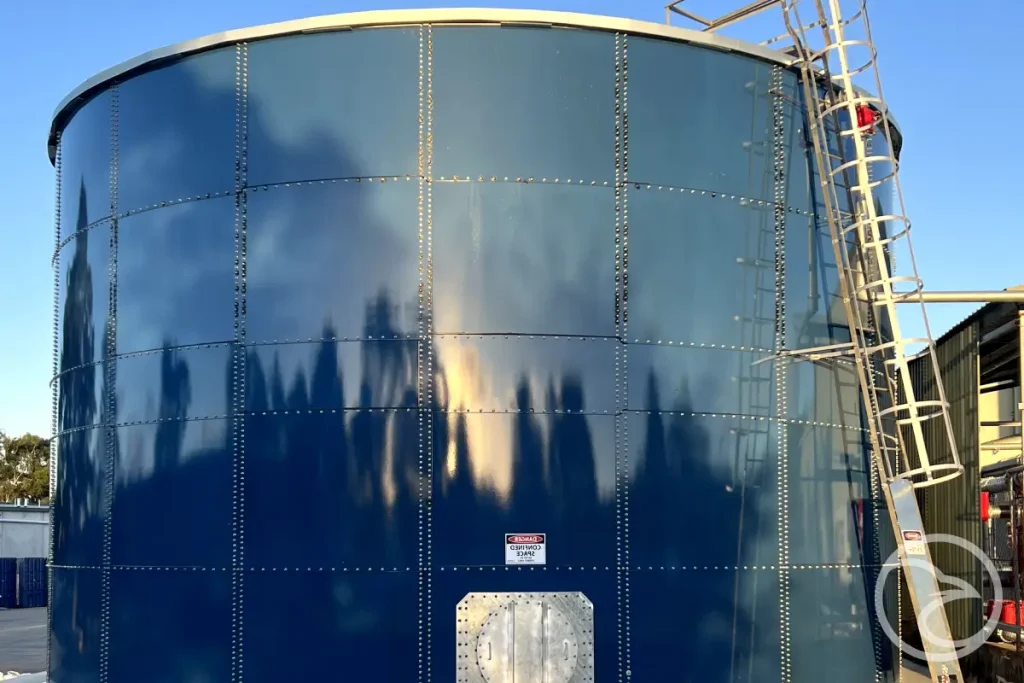
Corrosion is a major concern in steel water storage systems, particularly where water chemistry varies. Glass lining protects steel by creating a stable barrier that isolates the metal from moisture and dissolved compounds.
Unlike epoxy coatings or painted surfaces, glass does not rely on flexibility to remain effective. It retains its protective properties even under prolonged exposure to water, reducing the risk of coating failure and underlying steel corrosion.
Expected Lifespan and Performance Factors
Glass-lined water tanks are designed for extended service life, but overall performance depends on several external factors. Water composition, environmental exposure, structural loading, and routine inspection practices all influence longevity.
Because the glass surface remains chemically stable, maintenance efforts typically focus on mechanical connections and structural components rather than lining degradation. This predictability supports long-term asset planning and risk management.
Conclusion
Glass-lined water tanks rely on a proven fusion of steel strength and glass protection. Understanding how the glass lining process works, and why it enhances corrosion resistance and hygiene, provides valuable insight into this water storage technology.
Such technical knowledge supports informed decision-making when evaluating glass-lined water storage systems within broader infrastructure and water management strategies.
Understanding how glass-lined technology works provides a solid technical foundation for evaluating long-term glass-lined water storage systems as part of broader water management strategies.