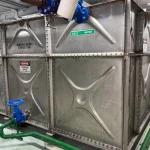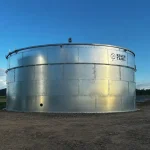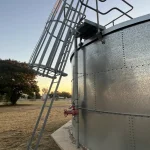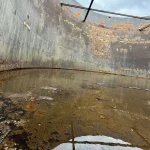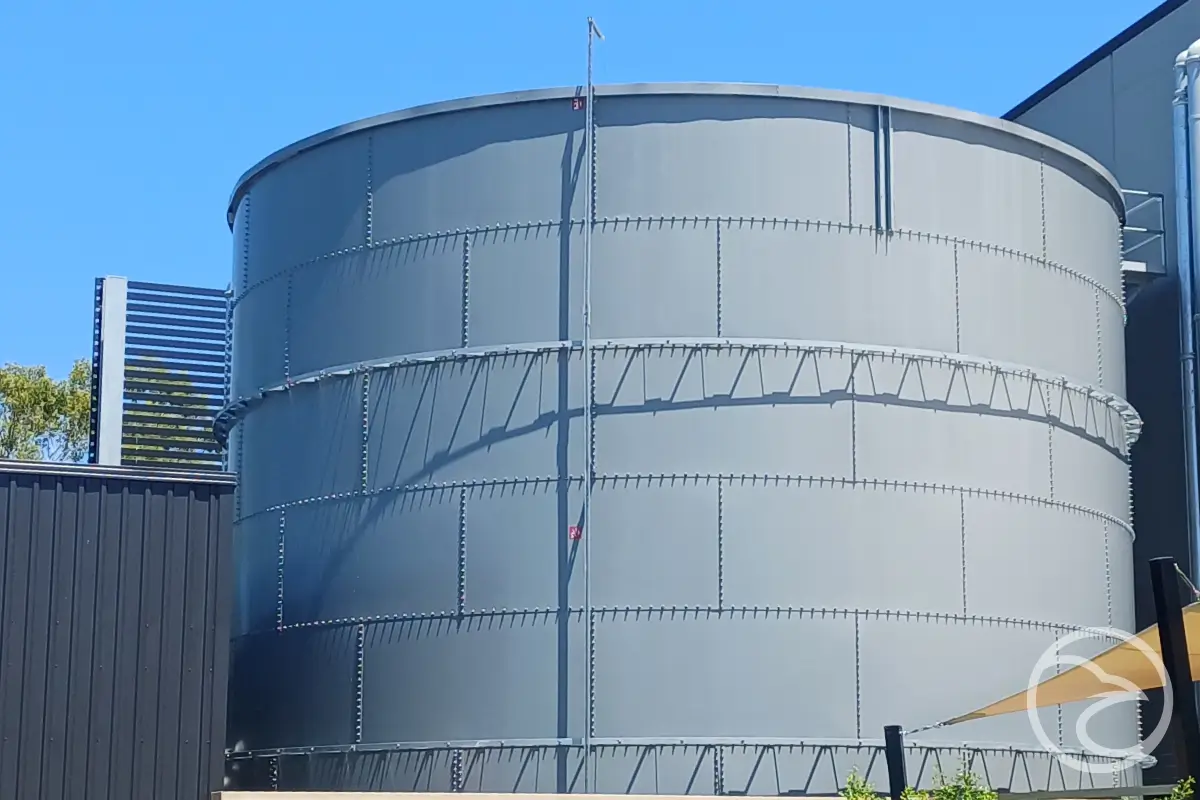
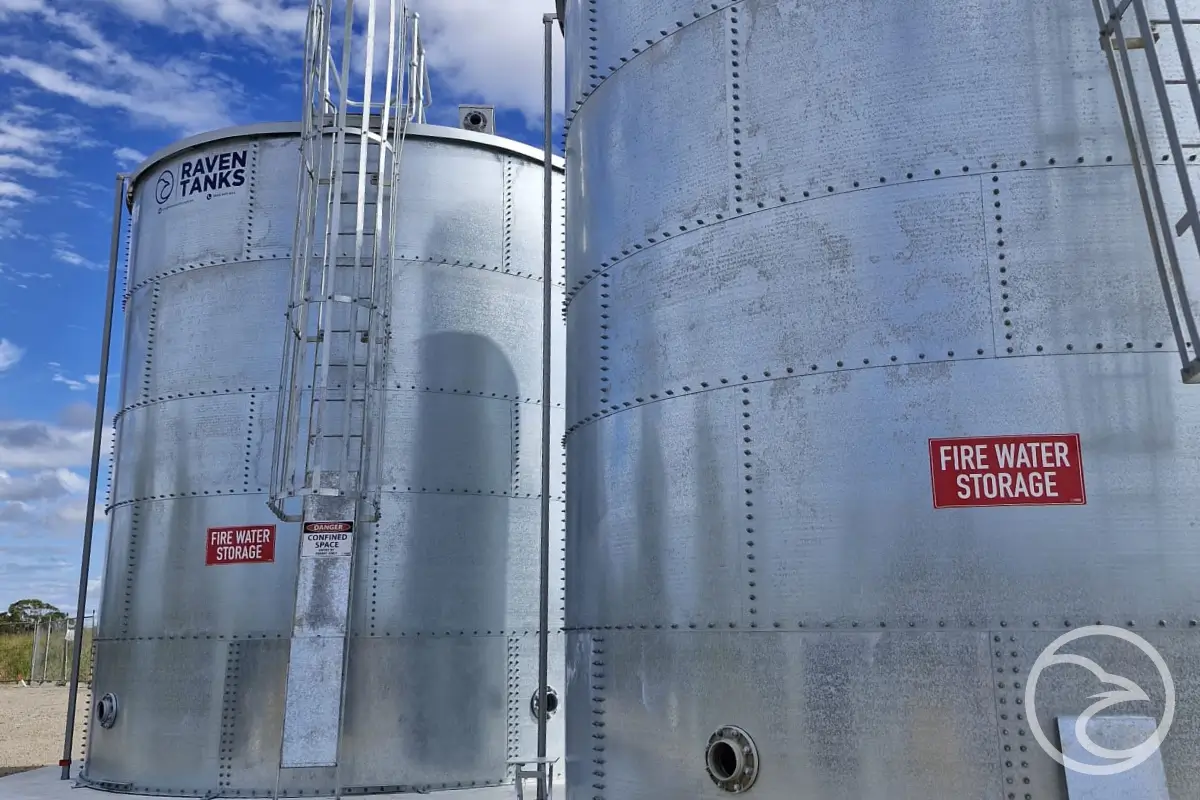
Galvanised steel tanks are widely used for water storage across commercial, industrial, agricultural, and infrastructure applications.
Their performance depends heavily on the material protecting the underlying steel. Galvanising adds a zinc coating that helps protect steel from corrosion and environmental exposure. However, that protection is not unlimited.
Water chemistry, moisture, installation conditions, and environmental exposure can all influence the coating over time. Understanding these factors helps explain why galvanised steel tanks perform differently across various sites and operating conditions.
This guide examines how galvanised steel protection works and what can affect its long-term performance. It also explains corrosion, coating deterioration, wet storage stain, inspections, and factors influencing service life.
What is Galvanised Steel?
Galvanised steel is steel covered with a protective zinc coating. The coating creates a protective layer between the underlying steel and its surrounding environment. Hot-dip galvanising is one common method used to apply this protection.
During this process, prepared steel is immersed in molten zinc. The process creates bonded coating layers across the steel surface. These layers become an important part of the material’s corrosion protection system.
Galvanised steel is commonly identified by its metallic grey appearance. Its surface can also develop visible patterns called spangle. Appearance can vary according to steel chemistry, coating formation, and manufacturing conditions.
However, appearance alone does not indicate the complete condition of a galvanised coating. For water tanks, the important feature is the protection provided to the structural steel beneath.
What does HDG Mean?
HDG stands for hot-dip galvanised. The abbreviation is frequently used when discussing galvanised steel tanks, panels, structural components, and other fabricated steel products.
Hot-dip galvanising should not be confused with a tank used during the galvanising process. An HDG tank is manufactured using steel protected through hot-dip galvanising. A galvanising tank or dip tank can instead describe equipment used for processing metal.
The distinction matters when researching galvanised tanks and their performance. For water storage, HDG usually refers to the protective treatment applied to steel components.
Designed for demanding water storage applications, galvanised steel tanks combine structural strength with protective zinc coating.
How does Hot-Dip Galvanising Protect Steel?
Bare steel can corrode when exposed to suitable combinations of moisture, oxygen, and environmental contaminants.
Galvanising introduces zinc as a protective material. The resulting protection works through more than one mechanism.
Zinc provides Barrier Protection
The zinc coating separates the underlying steel from its surrounding environment. This barrier reduces direct exposure of the steel substrate to moisture and oxygen.
A continuous coating therefore helps limit conditions that encourage corrosion of the underlying steel. Damage, deterioration, or local coating loss can reduce this barrier protection.
That makes coating condition important throughout a tank’s operating life.
Zinc Also Provides Sacrificial Protection
Zinc is more electrochemically active than steel. This property allows zinc to provide sacrificial protection under suitable conditions. Small exposed areas of steel can therefore receive some protection from surrounding zinc.
This characteristic distinguishes galvanising from a simple physical barrier coating. However, sacrificial protection does not mean coating damage should be ignored.
Extensive damage can eventually expose more steel than surrounding zinc can effectively protect.
Why is Galvanised Steel Used for Water Tanks?
Water storage creates demanding conditions for many construction materials. Tank components can face moisture, temperature changes, atmospheric exposure, and long operating periods.
Galvanised steel combines structural strength with corrosion protection provided by zinc. This combination makes the material useful for many water storage applications.
Panel construction can also allow large tanks to be assembled from individual steel sections. However, galvanising does not make steel completely immune to environmental effects.
The zinc coating itself interacts with its surroundings. Its performance depends on the conditions surrounding the tank.
Understanding those conditions is essential when considering long-term durability.
What Happens to Zinc after Galvanising?
Freshly galvanised steel does not remain chemically unchanged forever. Its surface begins interacting with oxygen, moisture, and compounds present in the surrounding environment.
Protective corrosion products can gradually develop on the zinc surface. These surface layers can help reduce the rate of further zinc consumption.
Stable surface development is therefore part of normal galvanised steel behaviour. Problems can arise when environmental conditions interfere with this process.
Persistent moisture is one example. Aggressive contaminants can also affect coating performance.
For tanks, both internal and external conditions should therefore be considered.
Does Galvanised Steel Rust?
The answer requires an important distinction between zinc corrosion and steel corrosion. Zinc protects the steel beneath it, but zinc itself can gradually react with its environment.
That reaction does not automatically mean the tank’s structural steel is rusting. Visible surface changes can have several causes.
Some may involve normal weathering of the galvanised surface. Others can indicate coating deterioration or exposure of the underlying steel.
Red-brown rust usually deserves particular attention because it can indicate exposed steel. Its presence does not explain the cause or severity by itself.
The affected area, coating condition, moisture source, and surrounding components should also be examined.
Some corrosion patterns may also indicate microbiologically influenced corrosion. Learn the warning signs of MIC corrosion in storage systems to identify potential issues early.
What Causes Galvanised Coatings to Deteriorate?
Galvanised coatings do not experience identical conditions on every tank. Their deterioration rate can change considerably between locations and applications.
Important influences can include:
- Persistent moisture or condensation.
- Water chemistry and water quality.
- Coastal or salt exposure.
- Industrial atmospheric contaminants.
- Physical damage to tank components.
- Poor drainage around exposed surfaces.
- Contact with incompatible materials.
- Local environmental conditions.
- Tank age and operating history.
- Previous repairs or modifications.
These factors can also interact. For example, damaged coating may become more significant within a particularly aggressive environment.
A single universal service-life figure can therefore be misleading. The actual condition of the tank remains more useful than age alone.
How does Water Affect Galvanised Steel?
Water does not represent one consistent exposure condition. Its effect depends partly on the substances dissolved within it. Temperature, pH, dissolved salts, and other chemical characteristics can influence zinc behaviour.
Water movement and storage conditions can also matter. This means two galvanised water tanks can experience different conditions despite storing similar volumes. Internal tank conditions should therefore be considered separately from external atmospheric exposure.
A tank may experience relatively mild conditions externally but different conditions internally. The opposite can also occur.
This distinction becomes important when investigating corrosion or unexpected coating deterioration.
What about Galvanised Steel in Salt Water?
Salt exposure presents different conditions from ordinary freshwater storage. Chlorides can increase the corrosivity of an environment and influence zinc consumption. This issue can matter beyond direct saltwater storage.
Coastal environments can expose external tank surfaces to airborne salts. The severity of exposure depends on local conditions rather than distance from the coastline alone.
Wind patterns, shelter, rainfall, and salt deposition can all influence actual exposure. Therefore, galvanised steel performance should be considered within the specific environmental context.
A detailed assessment may be appropriate where tanks face significant chloride exposure.
What is Wet Storage Stain?
Wet storage stain is a surface condition associated with newly galvanised steel exposed to persistent moisture. It is commonly recognised by white or light-coloured corrosion products on the zinc surface.
The condition is sometimes informally called white rust. It can develop when moisture remains trapped between closely packed galvanised surfaces.
Poor ventilation can make these conditions more favourable. Fresh galvanised surfaces are particularly relevant because stable protective surface products may not yet be fully established.
Wet storage stain does not automatically mean the underlying steel has failed. Its significance depends on the extent and severity of the affected coating.
Light surface staining differs from substantial zinc loss. Affected areas should therefore be evaluated rather than judged only by appearance.
Storage and handling practices can also help reduce conditions that encourage wet storage stain.
Does white Rust Mean a Galvanised Tank is Failing?
Not necessarily. White corrosion products generally involve zinc rather than the characteristic red-brown corrosion associated with exposed steel.
However, visible white staining should not simply be dismissed. Its extent can provide useful information about moisture conditions and coating behaviour. Heavy or persistent deposits may justify closer examination.
An inspection can determine whether the issue is superficial or associated with meaningful coating deterioration. The surrounding environment should also be considered.
Finding and addressing the moisture source can be as important as examining the affected surface.
How Can Physical Damage affect Zinc Protection?
Galvanised tank components can experience damage during transport, installation, modification, or later maintenance. Scratches and impact damage can locally reduce coating thickness.
Drilling, cutting, or welding can also alter the original protective system. The significance depends on the size, depth, and location of the affected area. Small defects can behave differently from large areas of exposed steel.
Connections and modified components can therefore deserve particular attention during inspection. Repair methods should also suit the material, application, and surrounding conditions.
Simply covering visible damage without understanding its cause may not provide a durable solution.
Why Tank Joints and Connections Matter
A tank is more than a collection of large steel surfaces. Connections, fasteners, penetrations, edges, and interfaces can experience different conditions from flat panels.
Water can collect around some details when drainage is inadequate. Different materials can also meet around connections and fittings. These local conditions can influence corrosion behaviour.
Inspection should therefore consider details rather than focusing only on broad panel surfaces. Areas around penetrations can be particularly useful when investigating localised deterioration.
Previous alterations should also be identified where possible. They may have changed the original coating or introduced different materials.
How Does the External Environment affect a Galvanised Tank?
External conditions can vary dramatically between tank locations. A dry inland site creates different exposure from a humid industrial or coastal location. Rainfall alone does not define environmental severity.
The duration of surface wetness can also matter. Sheltered areas may remain damp longer than surfaces regularly washed and dried. Industrial contaminants can create another variable.
Airborne salts are particularly relevant in some coastal environments. Vegetation, nearby structures, and poor drainage can also influence local moisture conditions.
Consequently, environmental exposure should be assessed at the tank itself. Broad regional assumptions cannot always describe the conditions affecting individual surfaces.
What Determines the Service Life of Galvanised Steel Tanks?
There is no single lifespan that accurately describes every galvanised steel tank. Service life depends on the complete tank system and its operating environment.
Important factors include:
- Original steel and coating condition.
- Zinc coating thickness and quality.
- Water characteristics.
- Atmospheric exposure.
- Moisture and drainage conditions.
- Physical damage.
- Installation quality.
- Inspection practices.
- Maintenance history.
- Repairs and later modifications.
The intended function of the tank also matters. A condition acceptable for one application may require attention in another.
For this reason, service life should not be estimated from tank age alone. Condition-based information provides a stronger basis for maintenance decisions.
What are Common Signs of Coating Deterioration?
Galvanised surfaces naturally change appearance as they age. Not every visual change represents significant deterioration.
However, some observations can justify closer investigation.
These can include:
- Areas of red-brown corrosion.
- Extensive white corrosion products.
- Local coating loss.
- Deep scratches or mechanical damage.
- Corrosion around fasteners or connections.
- Deterioration near penetrations.
- Persistent moisture or water accumulation.
- Changes around previous repairs.
- Uneven deterioration between neighbouring panels.
Patterns can often provide useful clues. Repeated deterioration around one detail may indicate a local environmental or drainage issue.
Widespread deterioration may point toward broader exposure conditions. The cause should be investigated before selecting corrective action.
Why are Regular Inspections Important?
Corrosion rarely affects every part of a tank equally. Localised conditions can create deterioration before broader problems become obvious. Regular inspections help establish how the tank is changing over time.
They can identify coating damage, corrosion, moisture problems, and changes around connections. Inspection records can also provide useful historical context. A single photograph shows one moment.
Repeated observations can reveal whether a condition is stable or progressing. That distinction can support more informed maintenance planning.
Inspection scope should reflect the tank’s purpose, construction, accessibility, and operating environment.
What Should an Inspection Consider?
An inspection should consider more than visible rust. The condition of the entire protective system matters.
Relevant observations can include:
- General galvanised surface condition.
- Local corrosion products.
- Evidence of coating loss.
- Fasteners and connections.
- Panel edges and joints.
- Penetrations and fittings.
- Signs of persistent moisture.
- Previous repairs.
- Mechanical damage.
- Differences between internal and external conditions.
Not every observation requires immediate repair. The purpose is to understand condition, cause, severity, and potential progression.
Those findings can then guide appropriate maintenance decisions.
Can Maintenance Extend Tank Service Life?
Appropriate maintenance can help manage deterioration before it becomes more extensive. The first step is identifying why deterioration occurred.
Repairing symptoms without correcting the underlying cause can lead to repeated problems. For example, persistent moisture may continue affecting a repaired area when drainage remains unchanged.
Maintenance may involve cleaning, local treatment, coating repair, component replacement, or environmental improvements. The appropriate response depends on the specific condition.
Repairs should also remain compatible with existing materials and the tank’s intended use. Inspection after maintenance can help confirm whether the original problem has been controlled.
Galvanised Steel Performance is a System, not one Feature
It is tempting to think of galvanising as a permanent shield around steel. In reality, tank durability depends on several interacting factors. The zinc coating provides important protection.
Water chemistry influences its internal exposure. Atmospheric conditions affect external surfaces. Construction details create local environments.
Damage and modifications can alter the original protection. Inspection and maintenance then influence how emerging deterioration is managed.
Considering these factors together provides a clearer picture of tank condition. It also avoids judging performance from age or appearance alone.
Understanding Galvanised Steel Tanks Over Time
Galvanised steel tanks rely on zinc to protect structural steel from corrosive exposure. That protection combines a physical barrier with the sacrificial properties of zinc.
However, the surrounding environment continues interacting with the coating throughout the tank’s life. Moisture, salts, water chemistry, physical damage, and construction details can influence this interaction.
Some surface changes are part of normal weathering. Others can indicate conditions requiring closer investigation. Wet storage stain, coating loss, and exposed steel should therefore be considered within their wider context.
Regular condition assessment helps identify these changes and understand their progression. Ultimately, galvanised tank performance cannot be reduced to one lifespan figure.
It depends on material condition, exposure, operation, inspection, and maintenance throughout the tank’s service life.