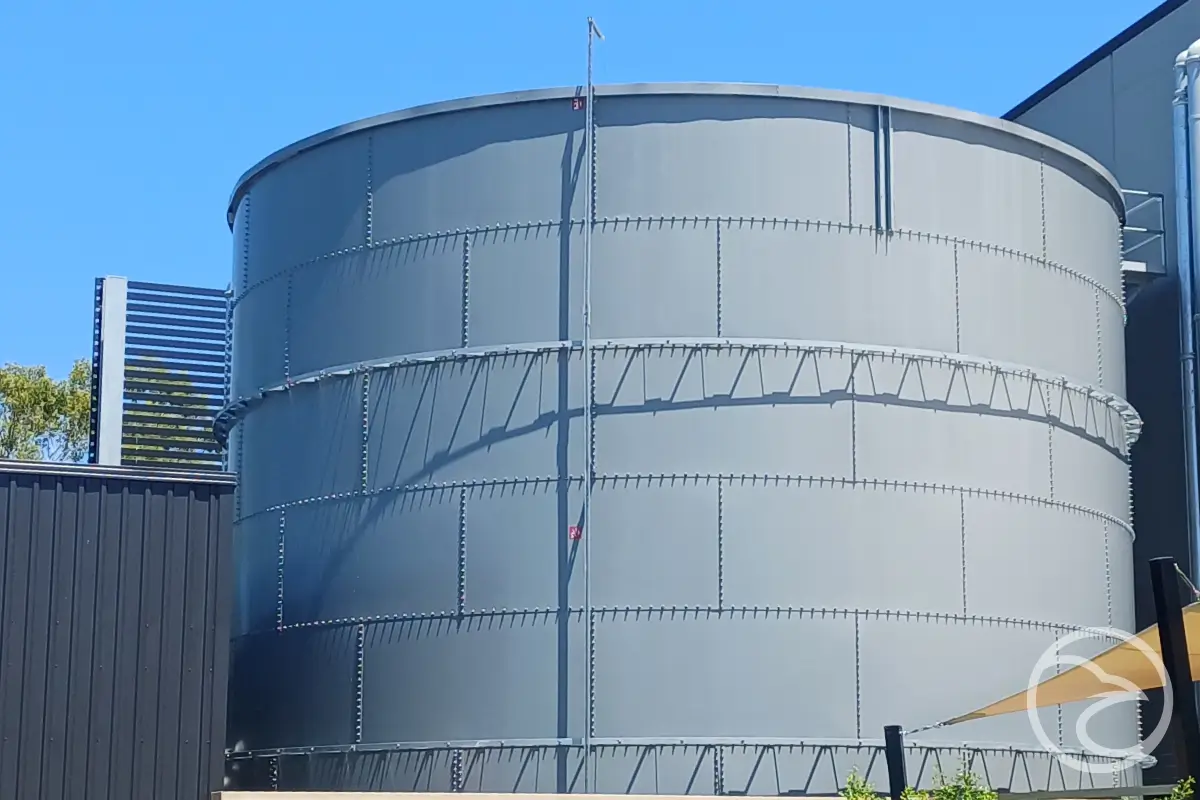
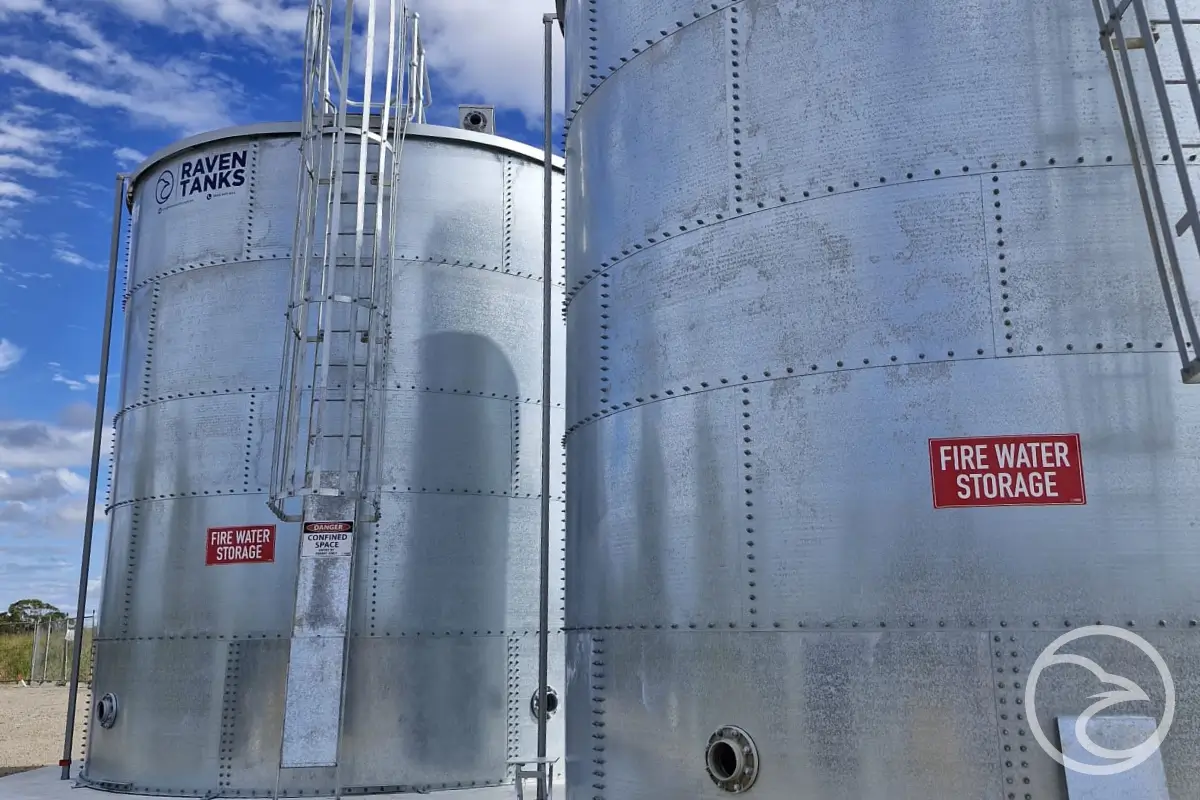
Hot-dip galvanising plays a critical role in protecting steel water tanks from corrosion and premature deterioration. By forming a durable zinc coating, this process helps steel structures withstand prolonged exposure to moisture, chemicals, and harsh environmental conditions.
Understanding how hot-dip galvanising works — and why it is widely used for steel water storage — helps asset owners make informed decisions about durability, maintenance planning, and long-term performance.
What is Hot-Dip Galvanising?
Hot-dip galvanising is a corrosion protection process in which steel components are fully immersed in molten zinc. This creates a metallurgically bonded coating that protects the underlying steel from rust and degradation.
Unlike surface treatments or paints, the zinc layer becomes an integral part of the steel surface, providing uniform protection across edges, joints, and internal surfaces that are often vulnerable to corrosion.
How Hot-Dip Galvanising Protects Steel from Corrosion
The protective performance of hot-dip galvanising comes from two key mechanisms:
- Barrier protection – the zinc coating isolates steel from moisture and oxygen
- Cathodic protection – zinc corrodes preferentially, protecting exposed steel even if the coating is damaged
This dual protection mechanism makes galvanised steel particularly suitable for water storage applications where constant exposure to moisture accelerates corrosion.
Why Galvanised Steel Performs well in Water Storage Environments
Steel tanks used for water storage are subject to continuous internal and external exposure. Over time, unprotected steel can experience rust formation, wall thinning, and structural weakening.
Hot-dip galvanising helps mitigate these risks by:
- Reducing corrosion rates in humid and wet environments
- Protecting difficult-to-reach areas such as joints and seams
- Supporting consistent performance across the tank’s service life
These characteristics make galvanised steel a reliable material choice for long-term water storage infrastructure.
Durability Compared to other Corrosion Protection Methods
Compared to painted or coated steel, hot-dip galvanised surfaces offer significantly longer-lasting protection. Paint systems rely on surface adhesion and require regular recoating, particularly in aggressive environments.
Galvanised steel coatings, by contrast, provide:
- Greater resistance to mechanical damage
- Lower long-term maintenance requirements
- More predictable corrosion performance over time
This durability is a key reason galvanising is commonly specified for steel structures exposed to water and outdoor conditions.
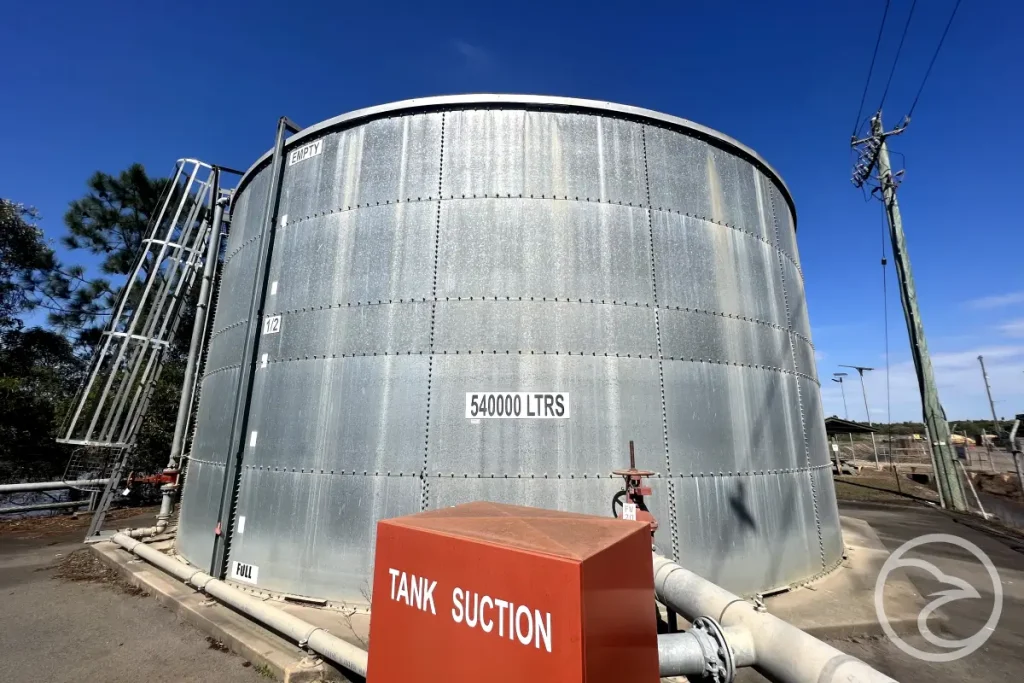
Maintenance Considerations for Galvanised Steel Tanks
While galvanised steel offers strong corrosion resistance, periodic condition monitoring remains important. Factors such as water chemistry, environmental exposure, and operational conditions can influence coating performance over time.
Routine visual assessments help identify:
- Localised coating wear
- Early signs of corrosion
- Areas requiring preventative maintenance
Proactive monitoring supports long-term reliability and reduces the likelihood of unplanned repairs.
When Galvanised Steel is a Suitable Choice for Water Storage
Hot-dip galvanised steel is commonly used in applications where durability, structural strength, and corrosion resistance are essential. It is particularly well suited to environments where tanks are exposed to weather, variable water quality, or operational stress.
Selecting the appropriate tank material and protection method should always consider site conditions, service life expectations, and maintenance planning requirements.
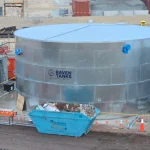
For projects requiring supply and installation of galvanised steel water tanks, suitable options are available as part of Raven Tanks’ broader water storage systems offering.