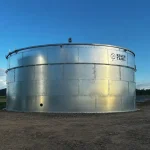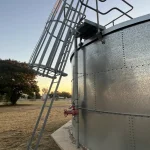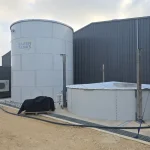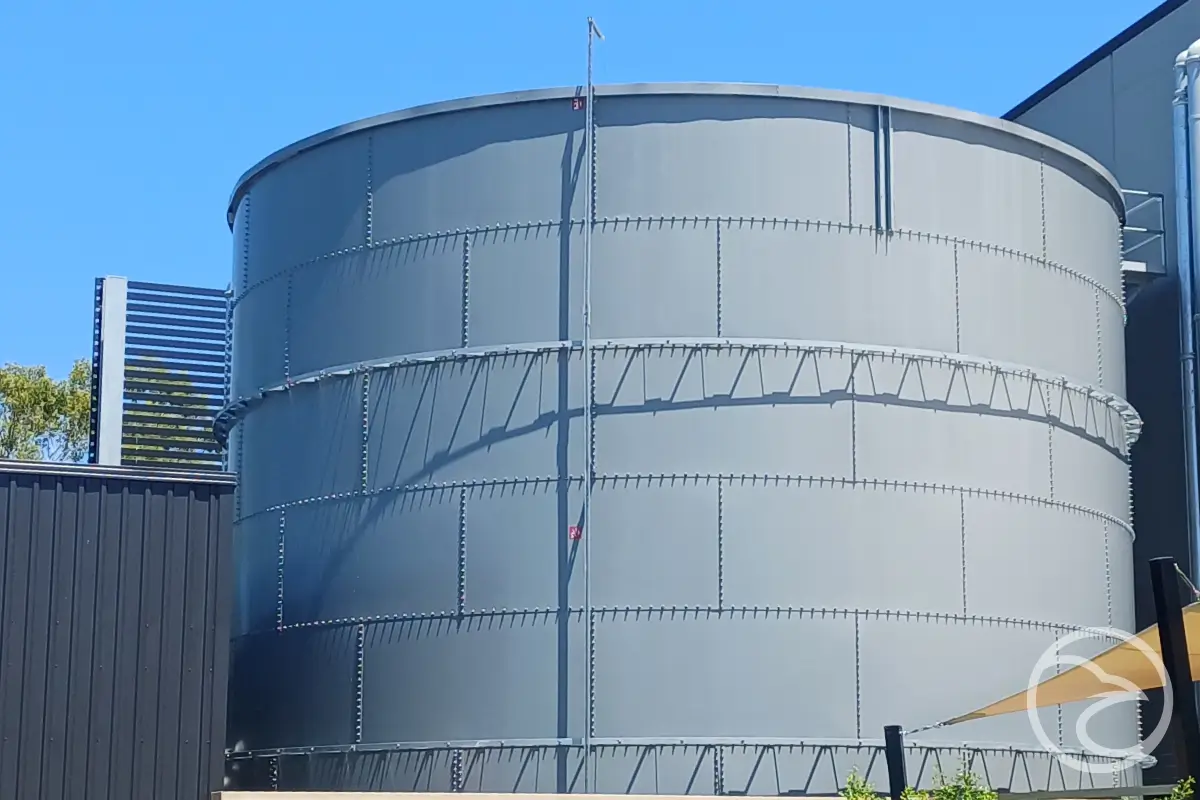

Modern industries and municipalities increasingly rely on lightweight modular water storage systems for efficiency, durability, and flexibility.
These tanks, often built with GRP (Glass Reinforced Plastic) panels, provide a perfect balance of strength and portability — essential in Australia’s demanding environments.
By combining modular design with advanced fiberglass technology, GRP systems ensure long-lasting performance, easy installation, and hygienic water storage for a wide range of applications.
1. What Makes Lightweight Modular Storage Unique
Unlike traditional welded steel tanks, modular GRP systems are assembled from interlocking fiberglass panels that are light yet exceptionally strong.
This construction allows them to be shipped flat-packed and easily installed on-site without heavy lifting equipment.
The reduced weight also means lower transportation costs and less strain on supporting structures, making lightweight modular water storage ideal for rooftops, basements, or confined locations.
2. The Engineering Behind GRP Panels
Each fiberglass-reinforced panel is molded under high pressure to create consistent strength and a smooth, non-porous surface.
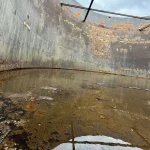
The result is a corrosion-resistant, leak-proof, and hygienic interior that maintains water quality for potable, fire, or industrial use.
Rubber gaskets, stainless steel bolts, and internal bracing provide long-term structural stability — ensuring the tank performs safely for decades with minimal maintenance.
3. Benefits of Lightweight Modular Water Storage
- Fast installation: Modular panels can be assembled in tight or remote areas without specialized equipment.
- Durability: GRP material resists UV, rust, and chemical damage better than conventional metals.
- Hygienic design: Non-corrosive interior surfaces prevent contamination, ensuring safe potable water storage.
- Custom capacity: Tanks can be configured to suit any project — from small facilities to industrial sites.
- Low maintenance: No repainting or recoating is needed, even after years of exposure to harsh conditions.
These advantages make modular GRP systems one of the most cost-effective and sustainable storage options available.

4. Applications Across Industries
GRP modular tanks are used in a wide range of sectors, including:
- Industrial water storage for manufacturing and process cooling;
- Fire protection systems that require reliable reserve supply;
- Potable water tanks in residential and commercial properties;
- Agricultural and irrigation systems;
- Emergency or remote installations where transport and assembly must be efficient.
Their adaptability and low environmental footprint make them a preferred choice for future-ready infrastructure.
5. Sustainability and Long-Term Performance
Lightweight modular systems contribute to sustainable construction practices.
The fiberglass panels are recyclable, require less energy to manufacture than steel, and reduce carbon emissions during transportation. Their long lifespan and minimal maintenance also lower resource consumption over time.
By choosing lightweight modular water storage, facilities benefit from durability and environmental responsibility in one system.
Conclusion
As industries evolve, lightweight modular water storage offers a modern, reliable alternative to traditional tank systems. With corrosion resistance, ease of assembly, and proven performance, GRP modular tanks continue to redefine what efficient water storage looks like.
For details on installation, customization, and engineering design, visit GRP Tanks Australia.