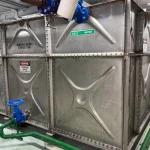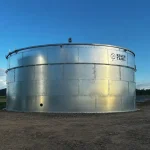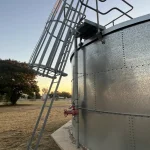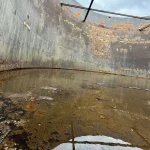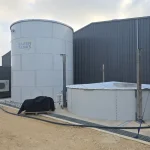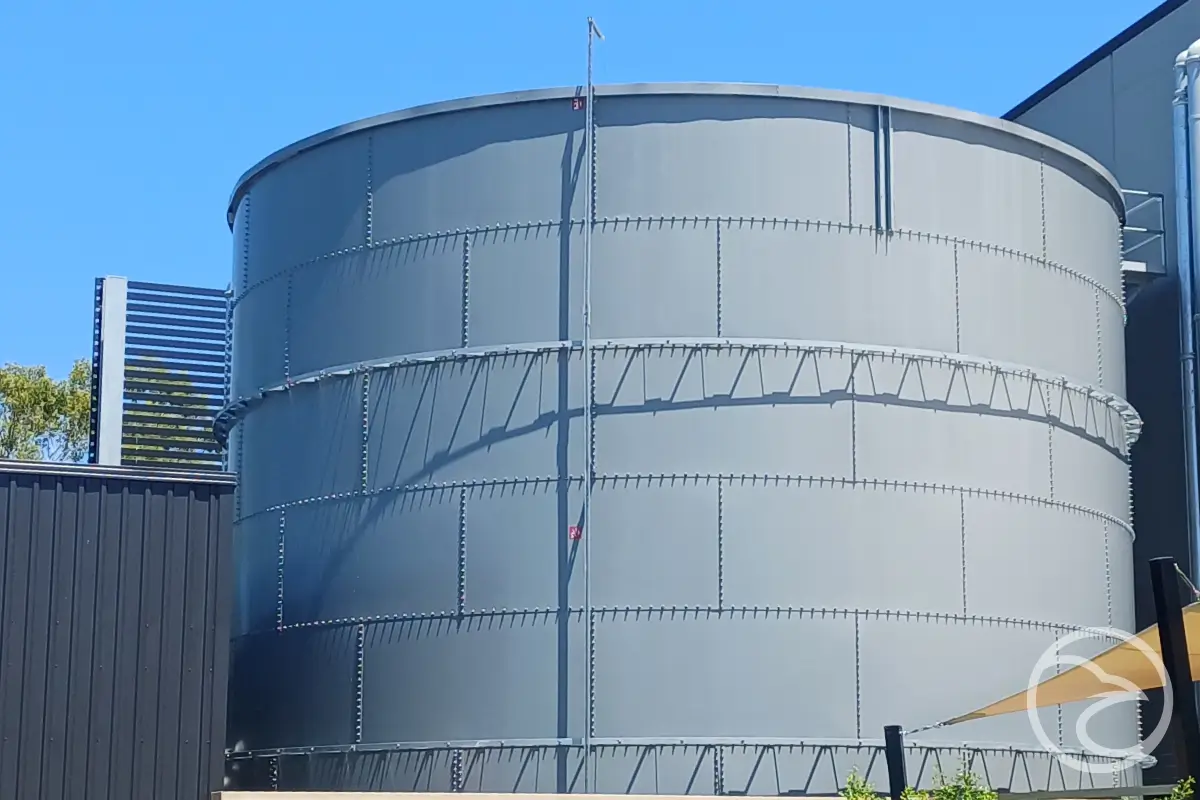
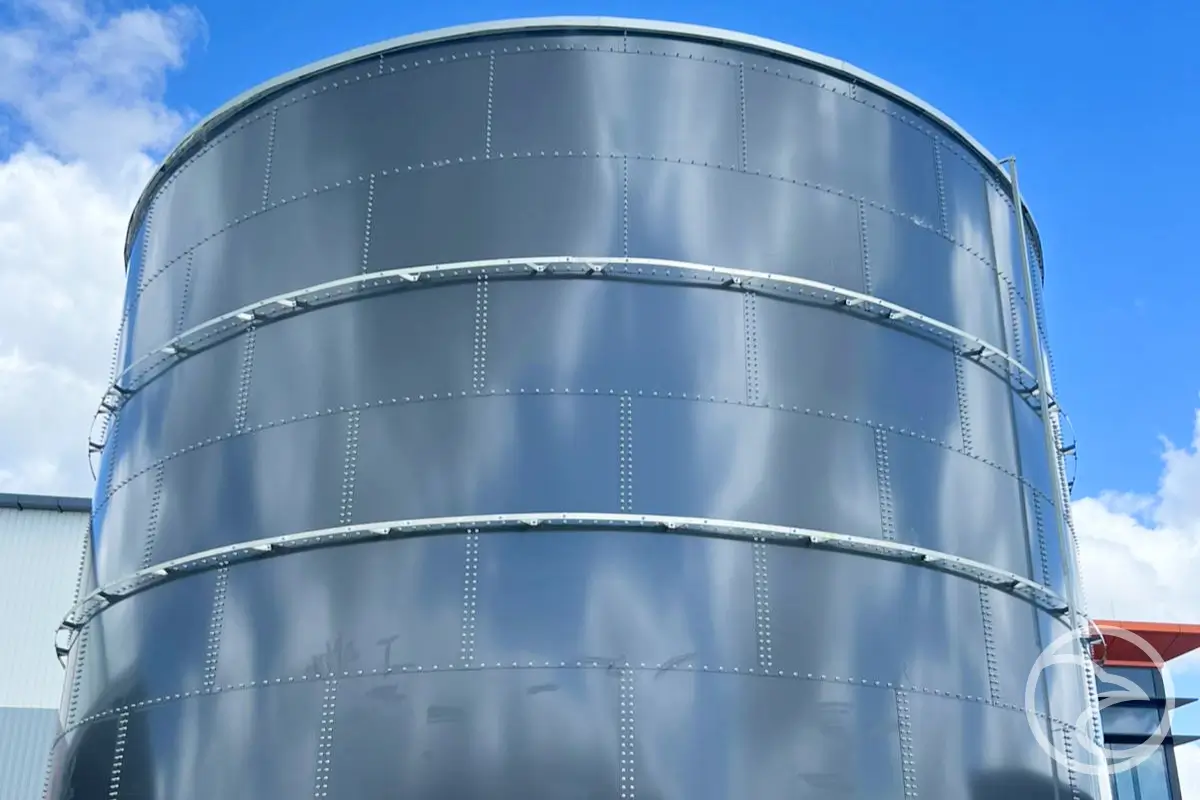
Glass Fused Steel tanks are among the most reliable storage solutions for water and industrial liquids. They combine the structural strength of steel with the corrosion resistance of glass. This makes them suitable for demanding environments where long-term durability is essential.
Today, Glass Fused Steel (GFS) tanks are used across many industries. They store drinking water, fire protection water, wastewater, agricultural liquids, and industrial process water. Their durability and low maintenance requirements make them a popular choice worldwide.
Unlike painted steel tanks, GFS tanks use a specialised manufacturing process. A layer of glass enamel is permanently fused to the steel surface at temperatures above 800°C. The result is a smooth, non-porous coating that protects the steel from corrosion, moisture, and many chemicals.
Another advantage is their modular design. Factory-made panels are assembled on-site using bolts and sealing systems. This reduces installation time and allows tanks to be expanded, relocated, or modified as storage needs change.
This guide explains what Glass Fused Steel tanks are, how they work, where they are used, and why they have become a trusted solution for water and liquid storage. It also explores their advantages, maintenance requirements, expected lifespan, costs, and how they compare with other tank types.
What are Glass Fused Steel Tanks?
Glass fused steel tanks, often called GFS tanks or glass-lined steel tanks, are modular storage tanks made from steel panels coated with a layer of glass enamel. During manufacturing, the glass and steel are permanently fused together at temperatures of approximately 820–850°C. This creates a highly durable surface that combines the strength of steel with the protective properties of glass.
Unlike paint or epoxy coatings, the glass layer becomes part of the steel rather than sitting on top of it. The coating does not peel, flake, or separate under normal operating conditions. It also provides a smooth, non-porous surface that helps resist corrosion, chemicals, and UV exposure.
Each tank consists of factory-manufactured panels that are assembled on-site using bolts and specialised sealants. This modular design allows tanks to be built in a wide range of sizes and configurations. It also makes future expansion or relocation much easier than with many traditional storage systems.
Glass Fused Steel tanks are designed for long-term storage applications. They are commonly used for potable water, fire water, wastewater, agricultural liquids, industrial process water, sludge, and biogas projects. Their versatility makes them suitable for both municipal infrastructure and private industrial facilities.
Because the coating is applied under controlled factory conditions, every panel receives a consistent finish before arriving on-site. This helps maintain quality, simplifies installation, and reduces the need for additional protective coatings during construction.
Main Components of a Glass Fused Steel Tank
A typical Glass Fused Steel tank includes:
- Glass fused steel panels
- High-strength bolted connections
- Chemical-resistant sealants
- Roof system
- Base anchoring system
- Access ladders and platforms
- Manways and inspection hatches
- Inlet, outlet, overflow, and drain connections
- Level monitoring and other optional accessories
Together, these components create a storage system that is durable, flexible, and suitable for a wide range of environmental and operating conditions.
How do Glass Fused Steel Tanks Work?
Glass Fused Steel tanks use a modular bolted design instead of a fully welded structure. Individual steel panels are manufactured, coated with glass enamel, and transported to the installation site. The panels are then assembled into a complete storage tank using high-strength bolts and specialised sealants.
The glass coating forms a protective barrier between the stored liquid and the steel. This barrier prevents moisture and many chemicals from reaching the metal surface. As a result, the risk of corrosion is significantly reduced, even in challenging operating conditions.
Unlike concrete tanks, which are built entirely on-site, GFS tanks are assembled from prefabricated components. This speeds up construction and helps maintain consistent manufacturing quality. It also reduces weather-related delays during installation.
Once assembled, the tank stores liquids in the same way as other storage systems. Water or other fluids enter through inlet pipes and remain safely contained until needed. Outlet connections, overflow systems, drains, and level monitoring equipment can be added to suit the application.
The modular design also provides flexibility for future projects. If storage requirements increase, many Glass Fused Steel tanks can be expanded by adding additional panel rings or increasing the tank diameter, depending on the original design.
How the Glass Coating Protects the Tank
The protective coating is created by firing glass enamel onto the steel surface at extremely high temperatures. During this process, the glass chemically bonds with the steel to form a single, durable layer.
This coating offers several important functions:
- Protects the steel from corrosion
- Resists many chemicals and aggressive liquids
- Creates a smooth, non-porous surface
- Reduces the risk of coating failure
- Maintains its performance in outdoor environments
- Helps extend the tank’s service life
Because the protection is built into every panel before installation, the finished tank requires far less maintenance than many traditional coated steel storage systems.
Where are Glass Fused Steel Tanks Used?
Glass Fused Steel tanks are used across many industries because they combine durability, corrosion resistance, and design flexibility. Their modular construction allows them to be installed in both small facilities and large infrastructure projects.
They are suitable for storing clean water, wastewater, industrial liquids, sludge, and many other non-petroleum products. The exact configuration depends on the application, required capacity, and local regulations.
Potable Water Storage
Glass Fused Steel tanks are widely used to store drinking water for municipalities, residential developments, and commercial facilities. Their smooth, non-porous surface helps maintain water quality while resisting corrosion over many years of operation.
These tanks can serve as:
- Municipal water reservoirs
- Community water storage tanks
- Emergency water supplies
- Distribution system storage
Fire Water Storage
Fire protection systems require reliable water storage that remains ready at all times. Glass Fused Steel tanks are commonly installed for this purpose because they offer long service life and low maintenance.
Typical applications include:
- Commercial buildings
- Industrial facilities
- Warehouses
- Mining operations
- Remote infrastructure projects
Wastewater Treatment
Many wastewater treatment plants use Glass Fused Steel tanks for storing and processing wastewater, sludge, and treated water. The glass coating provides excellent resistance to many corrosive environments commonly found in treatment facilities.
These tanks may be used for:
- Equalisation tanks
- Sludge storage
- Aeration systems
- Digesters
- Process water storage
Agriculture
Agricultural businesses rely on dependable water storage throughout the year. Glass Fused Steel tanks provide a practical solution for farms that need large storage volumes with minimal maintenance.
Common agricultural uses include:
- Irrigation water
- Livestock drinking water
- Fertigation systems
- Rainwater harvesting
- Farm water reserves
Industrial Applications
Many industries require reliable storage for process water and other operational liquids. Glass Fused Steel tanks can be customised to meet different production requirements and environmental conditions.
Industries that commonly use these tanks include:
- Manufacturing
- Food and beverage processing
- Mining
- Energy production
- Chemical processing
- Pulp and paper
Biogas and Renewable Energy
Glass Fused Steel tanks are also used in anaerobic digestion and biogas production. Their corrosion-resistant coating performs well in demanding environments where organic materials produce aggressive gases and liquids.
Typical applications include:
- Anaerobic digesters
- Digestate storage
- Biogas process tanks
- Organic waste treatment
Because of their versatility, Glass Fused Steel tanks have become a preferred storage solution across municipal, agricultural, commercial, and industrial sectors. Their ability to support a wide variety of applications is one of the main reasons for their growing global adoption.
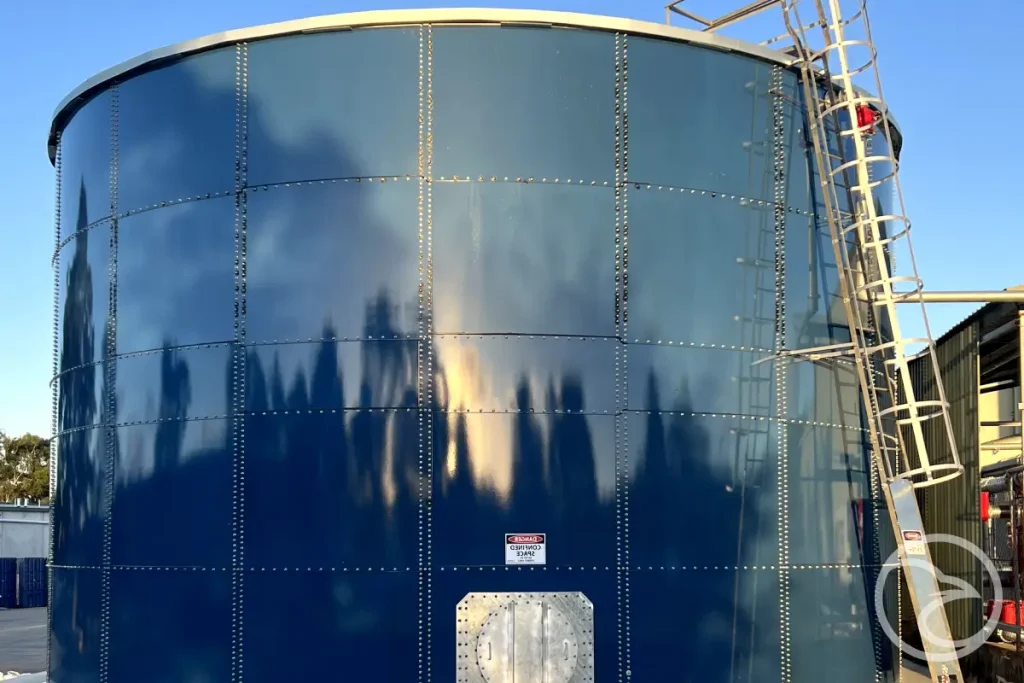
Who Should Choose a Glass Fused Steel Tank?
Glass Fused Steel tanks are suitable for organisations that need a durable and low-maintenance storage solution. They perform well in projects where long service life, corrosion resistance, and future expansion are important considerations.
Because the panels are manufactured in a controlled factory environment, these tanks also suit projects with strict quality requirements and limited construction time.
Municipal Water Authorities
Local governments and water utilities often use Glass Fused Steel tanks for public water infrastructure. Their long lifespan and low maintenance needs help reduce operating costs over time.
Typical uses include:
- Drinking water storage
- Water distribution systems
- Emergency water reserves
- Wastewater treatment facilities
Fire Protection Contractors
Reliable water storage is essential for fire protection systems. GFS tanks provide a dependable solution for facilities that must maintain emergency water supplies year-round.
They are commonly installed at:
- Commercial buildings
- Industrial plants
- Logistics centres
- Data centres
- Mining sites
Agricultural Businesses
Farmers need storage systems that can withstand outdoor conditions while requiring minimal maintenance. Glass Fused Steel tanks offer a practical option for storing large volumes of water throughout the year.
They are suitable for:
- Irrigation systems
- Livestock water
- Rainwater collection
- Agricultural process water
Industrial Facilities
Manufacturers often choose GFS tanks because they can handle a wide range of industrial applications. Their corrosion-resistant coating helps protect the structure when storing process water and other compatible liquids.
Industries include:
- Manufacturing
- Mining
- Food processing
- Energy production
- Chemical facilities
Project Developers and Engineers
Glass Fused Steel tanks are also a good choice for engineers, consultants, and project developers planning new infrastructure. Their modular design simplifies transportation, installation, and future expansion.
They are particularly beneficial for projects that require:
- Fast construction schedules
- Remote site installation
- Scalable storage capacity
- Predictable lifecycle costs
Choosing the right tank always depends on the stored liquid, environmental conditions, project budget, and long-term operational goals. For many applications, Glass Fused Steel tanks provide a balanced combination of durability, flexibility, and cost efficiency.
Benefits of Glass Fused Steel Tanks
Glass Fused Steel tanks have become a preferred storage solution because they offer more than just corrosion protection. Their combination of durability, modular construction, and low maintenance makes them suitable for projects of many sizes and industries.
Below are the key advantages that make glass fused storage tanks a popular long-term investment.
Excellent Corrosion Resistance
Corrosion is one of the main causes of storage tank failure. The glass coating creates a durable barrier that protects the steel from moisture, oxygen, and many chemicals.
Unlike painted surfaces, the coating is permanently fused to the steel during manufacturing. This helps maintain long-term protection under normal operating conditions.
Long Service Life
Glass Fused Steel tanks are designed for decades of operation. When properly installed and maintained, they can provide reliable performance for many years.
Their durability helps reduce the need for major repairs or early replacement, making them a cost-effective long-term solution.
Fast Installation
Most tank components are manufactured before arriving on-site. This significantly reduces construction time compared with concrete tanks or welded steel structures.
Faster installation can also reduce labour costs and minimise disruption to ongoing site operations.
Low Maintenance Requirements
The glass surface requires little routine maintenance because it does not need regular repainting or recoating.
Most maintenance activities involve scheduled inspections rather than major repairs.
Routine tasks typically include:
- Inspecting bolts and sealants
- Checking the roof and access points
- Monitoring fittings and pipe connections
- Cleaning the tank when required
Modular and Expandable Design
One of the biggest advantages of GFS tanks is their flexibility. The modular design allows tanks to be built in many sizes and configurations.
If storage needs increase, many systems can be expanded by adding extra panel sections. This provides greater flexibility than many fixed storage structures.
Suitable for Many Applications
Glass Fused Steel tanks are used across multiple industries because they can store a wide variety of liquids.
Common applications include:
- Drinking water
- Fire protection water
- Wastewater
- Industrial process water
- Agricultural water
- Sludge
- Biogas processing
This versatility allows organisations to use similar tank systems across multiple projects.
Reliable Performance in Harsh Environments
Many storage tanks operate outdoors for decades. Glass Fused Steel tanks are designed to withstand changing weather conditions, UV exposure, and demanding industrial environments.
Their protective coating helps maintain consistent performance with minimal deterioration over time.
Lower Lifecycle Costs
The initial purchase price is only one part of the total investment. Installation, maintenance, repairs, and replacement all contribute to lifecycle costs.
Because Glass Fused Steel tanks require relatively little maintenance and have a long service life, they often deliver lower total ownership costs than some alternative storage solutions.
For many organisations, this makes GFS tanks a practical investment that balances performance, durability, and long-term operating efficiency.
Glass Fused Steel Tanks vs Other Tank Types
Choosing the right storage tank depends on more than the initial purchase price. Each tank material has different strengths, maintenance requirements, and expected service life. Understanding these differences helps buyers select the most suitable solution for their application.
Glass Fused Steel tanks are often compared with concrete, welded steel, stainless steel, and fibreglass (FRP) tanks. While each option has its place, their long-term performance can vary significantly.
| Feature | Glass Fused Steel | Concrete | Welded Steel | Stainless Steel | FRP |
|---|---|---|---|---|---|
| Corrosion resistance | Excellent | Moderate | Moderate | Excellent | Good |
| Installation speed | Fast | Slow | Moderate | Moderate | Fast |
| Maintenance | Low | Moderate | High | Low | Low |
| Modular design | Yes | No | No | Limited | Limited |
| Expansion potential | High | Low | Low | Moderate | Limited |
| Service life | Long | Long | Moderate | Long | Moderate |
Glass Fused Steel vs Concrete Tanks
Concrete tanks are commonly used for large municipal projects. However, they require longer construction times because they are built on-site.
Glass Fused Steel tanks arrive as prefabricated panels, allowing much faster installation. They also offer greater flexibility if future expansion is required.
Glass Fused Steel vs Welded Steel Tanks
Traditional welded steel tanks usually require protective coatings to prevent corrosion. Over time, these coatings may need repair or replacement.
Glass Fused Steel tanks use a factory-applied glass coating that becomes permanently bonded to the steel surface. This reduces ongoing maintenance and improves corrosion resistance.
Glass Fused Steel vs Stainless Steel Tanks
Stainless steel offers excellent corrosion resistance and is widely used in food processing and specialised industrial applications.
However, stainless steel tanks are often more expensive, especially for large storage capacities. Glass Fused Steel tanks can provide similar durability for many water storage applications while offering a lower total project cost.
Glass Fused Steel vs FRP Tanks
Fibreglass Reinforced Plastic (FRP) tanks are lightweight and resistant to corrosion. They are commonly used for smaller storage systems and certain chemical applications.
For larger storage capacities, Glass Fused Steel tanks often provide greater structural strength and more flexibility through their modular design.
Which Tank is the Best Choice?
There is no single solution for every project. The best storage tank depends on several factors, including:
- The type of liquid being stored
- Required storage capacity
- Site conditions
- Installation schedule
- Maintenance expectations
- Project budget
- Long-term operating costs
For many municipal, agricultural, industrial, and fire protection applications, Glass Fused Steel tanks offer a balanced combination of durability, corrosion resistance, fast installation, and low lifecycle costs. These advantages explain why they continue to gain popularity across a wide range of storage projects.
How Long do Glass Fused Steel Tanks Last?
Glass Fused Steel tanks are designed as a long-term storage solution. Their durable glass coating protects the steel from corrosion, helping the structure maintain its performance for decades.
The exact lifespan depends on several factors, including the operating environment, stored liquid, installation quality, and maintenance practices. When these factors are properly managed, GFS tanks can provide reliable service for many years.
Unlike painted steel tanks, the protective coating does not require regular repainting. This reduces deterioration over time and helps extend the tank’s operational life.
Factors that Affect Tank Lifespan
No storage tank lasts forever. However, proper design and routine maintenance can significantly increase its service life.
The most important factors include:
- Quality of manufacturing
- Professional installation
- Environmental conditions
- Type of stored liquid
- Water or chemical quality
- Regular inspections
- Preventive maintenance
Aggressive chemicals, coastal environments, or poor maintenance can shorten the lifespan of any storage system. Choosing the correct tank specification for the intended application helps minimise these risks.
Can Glass Fused Steel Tanks be Repaired?
Yes. Although the glass coating is highly durable, minor damage can sometimes occur during installation or operation.
If needed, damaged components can often be repaired or replaced without rebuilding the entire tank. Because the structure consists of individual bolted panels, maintenance is generally simpler than with welded or concrete tanks.
This modular design also allows some tanks to be modified or expanded as operational requirements change.
Maximising Service Life
Following a preventive maintenance programme is the best way to maximise the lifespan of a Glass Fused Steel tank.
Good maintenance practices include:
- Performing regular visual inspections
- Checking bolts and sealants
- Inspecting roof systems and access points
- Monitoring water quality where applicable
- Addressing minor issues before they become major repairs
With proper installation and ongoing maintenance, Glass Fused Steel tanks can deliver dependable performance while keeping maintenance costs relatively low throughout their operational life.
Factors that Influence Tank Costs
Several factors affect the final price of a Glass Fused Steel tank.
The most significant include:
- Storage capacity
- Tank diameter and height
- Roof type
- Foundation requirements
- Site conditions
- Internal and external accessories
- Transport distance
- Installation complexity
- Local engineering requirements
Larger tanks naturally require more materials and longer installation times. Additional equipment, such as insulation, mixers, monitoring systems, or specialised roof designs, can also increase the total project cost.
Conclusion
This guide to Glass Fused Storage Tanks has explored why these systems have become one of the most trusted storage solutions for water and industrial liquids. By combining the strength of steel with the corrosion resistance of glass, Glass Fused Steel tanks deliver reliable performance across a wide range of applications.
Their modular construction supports fast installation, future expansion, and efficient transportation. At the same time, their durable coating helps minimise maintenance and extend operational life, making them a practical choice for municipalities, industrial facilities, agricultural operations, and fire protection systems.
Whether you are planning a new infrastructure project or replacing an existing storage system, understanding the applications, benefits, maintenance requirements, and lifecycle costs of Glass Fused Storage Tanks will help you choose a solution that delivers reliable long-term performance.