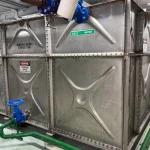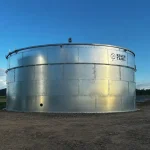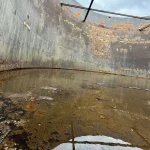

Water storage systems play a critical role in industrial, commercial, and municipal infrastructure. Whether used for fire protection, process supply, or emergency reserves, these systems are designed for long-term reliability. However, leaks remain one of the most common performance issues affecting storage assets over time.
Understanding water storage leak risk factors helps organisations better evaluate system condition and long-term structural resilience.
Material Degradation Over Time
All storage systems experience gradual material ageing. Steel tanks are vulnerable to corrosion, particularly in humid, coastal, or chemically aggressive environments. Even with protective coatings, oxidation can develop where linings deteriorate or surface damage occurs.
Concrete reservoirs may develop microcracks due to thermal movement, settlement, or reinforcement corrosion. Over time, these cracks can expand, allowing water seepage or structural weakening.
Polymeric liners and seals are also susceptible to ageing. UV exposure, chemical interaction, and pressure cycling can reduce elasticity and compromise watertight performance.
Material fatigue rarely occurs suddenly. Instead, it progresses incrementally, increasing leak probability as systems age.
Environmental Exposure
Environmental conditions significantly influence leak development. Tanks exposed to fluctuating temperatures experience expansion and contraction cycles. This repeated movement places stress on joints, seams, and connection points.
In coastal regions, airborne salt accelerates corrosion in metal components. Industrial settings may expose storage systems to pollutants or particulate matter that gradually degrade protective surfaces.
Ground conditions also matter. Poor drainage or unstable soil can create uneven settlement beneath tanks, placing additional strain on structural elements and increasing the likelihood of leaks.
Structural Stress and Operational Loads
Water storage systems are subject to constant hydrostatic pressure. Over time, pressure cycling—especially in systems that frequently fill and drain—can weaken welds, bolts, and panel connections.
Vibration from nearby equipment, such as pumps or mechanical systems, may introduce additional stress. While these forces are often minor, long-term exposure can affect joints and fittings.
Changes in operational demand can also contribute. If a system is used beyond its original design capacity, structural components may experience higher loads than intended, accelerating wear.
Leak risk increases when ageing materials combine with evolving operational conditions.

Joint and Connection Vulnerabilities
Many leaks originate not in primary tank walls but at joints, penetrations, or connection interfaces. These areas experience concentrated stress and rely heavily on seal integrity.
Over time, gaskets may harden or compress unevenly. Bolted connections can loosen due to vibration or thermal cycling. Pipe penetrations may develop gaps if surrounding materials shrink, corrode, or shift.
Because these components are smaller and often concealed, early-stage deterioration may remain unnoticed until visible leakage occurs.
Water Quality and Internal Conditions
Internal conditions within the tank also influence leak development. Sediment accumulation can create localized corrosion zones in steel tanks. Variations in pH or mineral content may accelerate material breakdown.
Stagnation can promote microbial activity that contributes to corrosion in certain environments. While water quality issues do not always cause immediate leakage, they may shorten material lifespan and increase long-term risk.
Design and Installation Factors
Leak risk is not solely a function of age. Original design and installation quality play a major role in long-term performance.
Inadequate joint sealing, inconsistent welding, or improper foundation preparation can create vulnerabilities from the outset. These weaknesses may not appear for years, only becoming evident as materials age and structural tolerance decreases.
Additionally, older systems may have been constructed under previous engineering standards. As expectations for durability and safety evolve, legacy infrastructure may reveal limitations.
Early Warning Indicators
Leaks often develop gradually. Warning signs can include minor damp patches, corrosion staining, unexplained water level fluctuations, or localized structural distortion.
Small irregularities may signal underlying stress or material fatigue. While not every anomaly leads to system failure, recurring or progressive changes should be evaluated within a broader asset management context.
Recognising early indicators supports informed decision-making and reduces uncertainty.
Understanding potential vulnerabilities often involves periodic storage system condition reviews as part of broader infrastructure oversight.
Conclusion
Water storage leak risk factors rarely act in isolation. Instead, they develop through a combination of ageing materials, environmental exposure, structural stress, and operational demands.
Understanding these interconnected drivers allows facilities to move beyond reactive thinking and view leaks as part of an infrastructure lifecycle pattern. Clear awareness of vulnerability factors supports more informed long-term planning and system reliability.
As storage systems continue to age across many sectors, structured risk evaluation remains essential to maintaining safe and resilient water infrastructure.