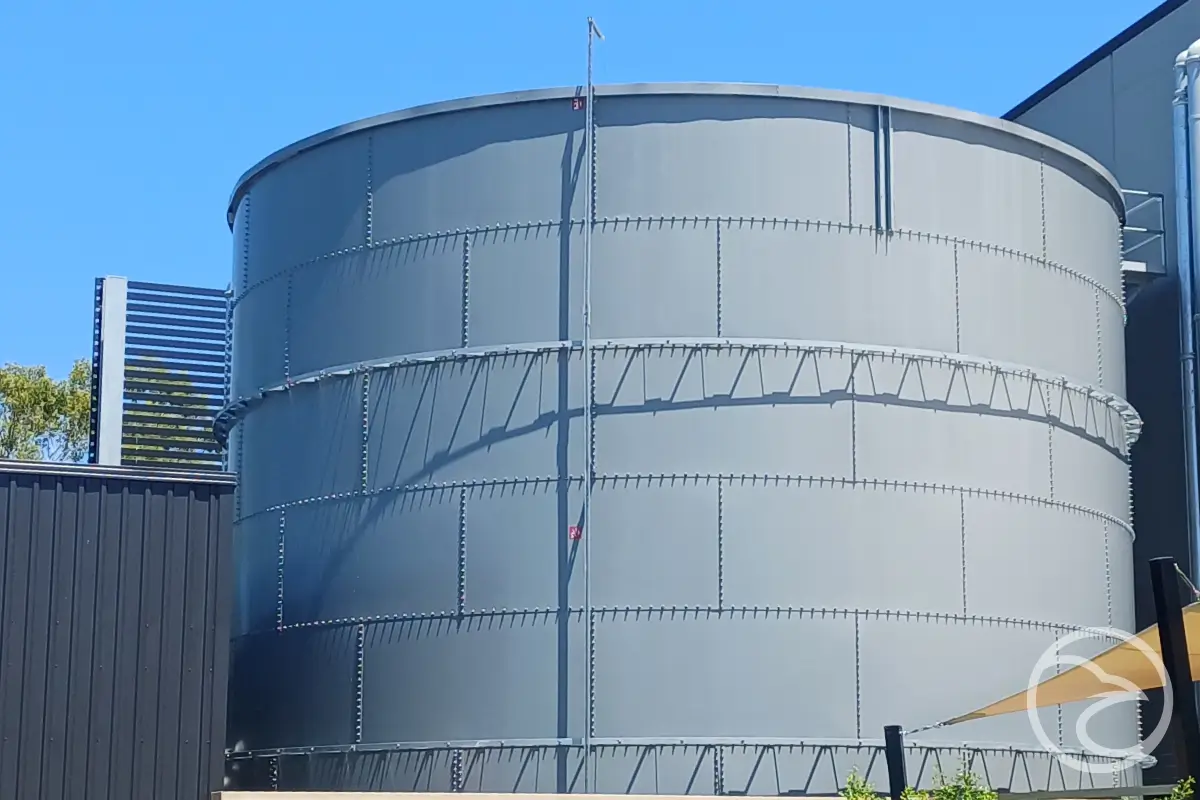
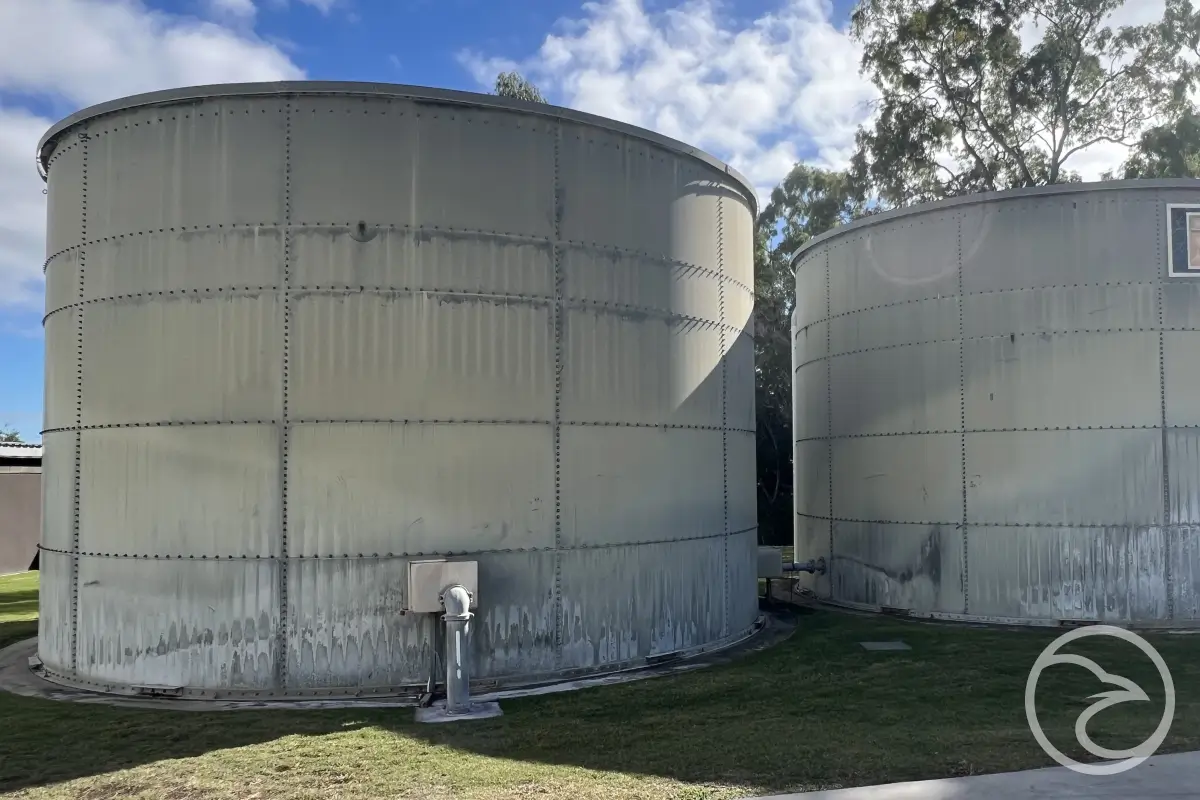
In Australia’s challenging climate – where heat, humidity, and coastal air often accelerate corrosion – fire water tank maintenance is not just a recommendation, it’s a necessity. Fire water tanks are a critical part of any commercial or industrial fire protection system, and ensuring their long-term performance means protecting lives, property, and compliance with national standards like AS1851.
This article explores how proper maintenance and corrosion prevention can significantly extend the lifespan of your fire water tank system.
Why Fire Water Tank Maintenance Matters
A fire water tank is only as reliable as the maintenance program behind it. Over time, tanks are exposed to natural elements such as intense UV rays, dust, mineral-rich water, and, in coastal regions, high salt concentrations. All these factors contribute to corrosion, leaks, and sediment buildup.
Neglecting maintenance not only shortens the tank’s lifespan but can also lead to system failure during emergencies—a situation no facility manager wants to face. Regular maintenance ensures your tank remains in working order, preserves water quality, and complies with Australian Standard AS1851 for fire protection systems.
Common Causes of Corrosion in Fire Water Tanks
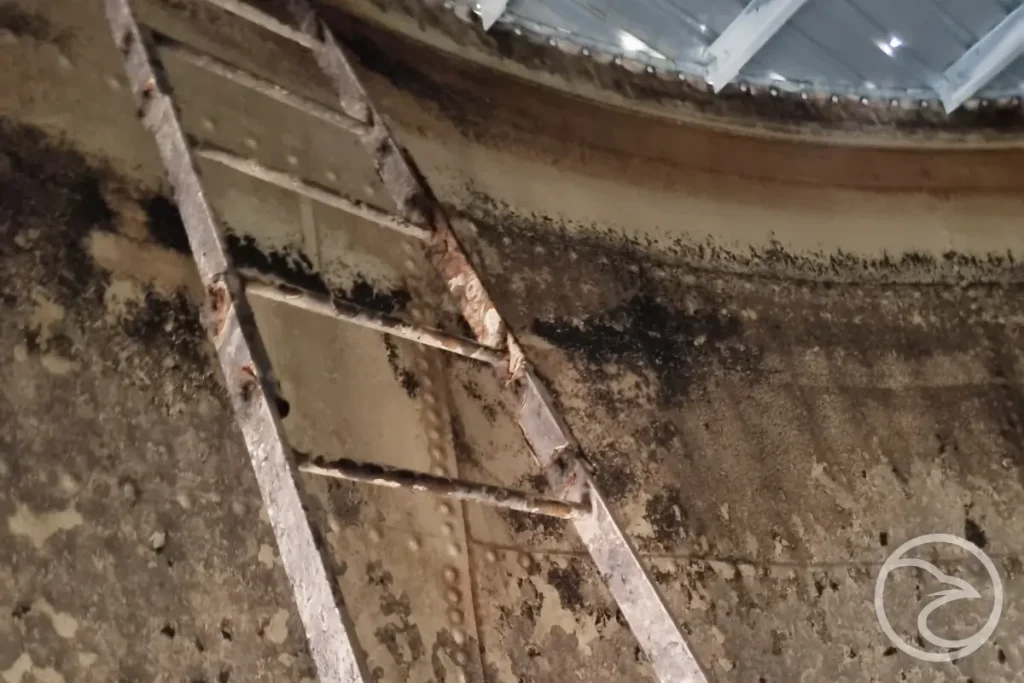
Corrosion is the silent enemy of every metal tank. In Australia, it’s often accelerated by environmental conditions such as:
- Salty coastal air — especially in cities like Sydney, Perth, and Brisbane.
- Extreme temperature variations, leading to condensation inside the tank.
- Mineral-rich or untreated water that reacts with steel surfaces.
- Lack of internal coatings or protective liners.
Without preventive measures, corrosion weakens tank walls, compromises water safety, and leads to costly repairs or premature replacements.
Routine Fire Water Tank Maintenance Checklist
A proactive maintenance schedule can make a significant difference. Facility managers should follow a structured inspection plan that includes:
- Visual Inspections (Monthly) – Check for leaks, rust spots, or coating damage on both the interior and exterior.
- Sediment and Sludge Removal (Quarterly) – Regular cleaning prevents bacterial growth and clogging in outlet pipes.
- Structural Inspection (Annually) – Ensure the integrity of bolts, joints, and access points, particularly for panel tanks.
- Liner and Coating Check (Every 2 Years) – Assess the condition of internal liners or epoxy coatings for early signs of wear.
- Compliance Verification (AS1851) – Schedule a professional inspection to confirm your tank meets Australian fire protection standards.
These steps form the foundation of a successful fire water tank maintenance program.
Effective Corrosion Prevention Strategies
While maintenance keeps your tank operational, corrosion prevention is what truly extends its lifespan.
Here are the most effective protection methods used across Australia:
- Internal Liners – PVC or polyethylene liners create a waterproof barrier between the tank wall and the stored water. They prevent oxidation and are especially useful in older steel or concrete tanks.
- Protective Coatings – Epoxy or polyurethane coatings add another layer of defense against moisture, salts, and chemicals. These coatings are ideal for HDG (Hot Dipped Galvanised) or stainless steel fire water tanks used in harsh environments.
- Cathodic Protection Systems – This advanced technique uses electrical currents or sacrificial anodes to neutralize corrosion reactions on metal surfaces—commonly applied in large industrial tanks.
- Proper Water Treatment – Maintaining correct pH levels and minimizing dissolved oxygen reduces the rate of metal oxidation. Water treatment is especially important for tanks in remote or agricultural regions.
- Climate-Responsive Maintenance – In hot, arid regions like Western Australia, regular sealing and shade protection reduce UV damage. Meanwhile, in coastal zones, rinsing exterior panels with fresh water helps remove salt buildup.
Together, these methods provide a strong defence against deterioration and maintain the tank’s structural integrity for decades.
Signs Your Fire Water Tank Needs Attention
Even with preventive care, tanks can develop issues over time. Look out for these warning signs:
- Visible rust streaks or bubbling paint.
- Unusual odours or discoloured water.
- Reduced refill speed or pressure.
- Leaks near joints or baseplates.
- Sediment buildup inside the tank.
If any of these appear, it’s time to schedule a professional inspection. Early detection prevents expensive overhauls and keeps your system compliant and reliable.
Cost Benefits of Preventive Maintenance
A well-maintained tank can last 20 to 30 years or more, while a neglected one may fail in under 10.
Preventive maintenance is far more cost-effective than reactive repairs. By investing in regular inspections and corrosion prevention, facilities reduce downtime, avoid emergency costs, and extend the overall lifespan of their infrastructure.
Moreover, proper maintenance supports sustainability goals by reducing material waste and the environmental footprint associated with frequent tank replacements.
Final Thoughts
In Australia’s tough environment, the key to reliable fire protection lies in consistent fire water tank maintenance and proactive corrosion prevention.
Whether you manage an industrial facility, a rural fire system, or a commercial complex, ensuring your fire tank is protected means you’re ready when it matters most.
A little preventive care today can save thousands tomorrow – and, more importantly, ensure your fire water storage system stands strong for decades.