
Every industrial water tank plays a critical role in the smooth and reliable operation of a facility. Yet over time, even the strongest and best-designed tanks begin to show signs of wear. Sediment builds up. Contaminants settle. Coatings deteriorate. Flow efficiency drops. Eventually, the tank no longer performs as it should — and the risks start mounting.
The good news? Professional tank cleaning can completely restore performance, extend lifespan, and prevent major structural failures. To show just how impactful the process can be, let’s walk through what a tank typically looks like before cleaning… and the improvements you can expect after the job is done.
Before: what Happens when a Tank isn’t Properly Cleaned
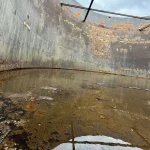
1. Heavy Sediment and Sludge Buildup
Sediment accumulation is the most common issue in long-serving water storage systems. Sand, minerals, organic matter, and corrosion particles settle at the bottom over time.
Before cleaning, these layers often:
- reduce usable water capacity
- create stagnant conditions
- allow harmful bacteria to grow
- disrupt pumps and sensors
Left untreated, sludge can cause serious contamination risks and reduce system efficiency by up to 30%.
2. Poor Water Quality and Odour Issues
When a tank hasn’t been cleaned for years, water quality starts to decline. Visible discoloration, unpleasant smells, or unusual textures often appear.
This typically indicates:
- biological growth
- algae buildup
- deteriorated linings
- contamination from external sources
These issues pose safety risks and can cause downstream equipment damage.
3. Corrosion and Liner Damage
Without routine maintenance, coatings and liners can blister, peel, or crack. Once protective layers are breached, corrosion accelerates rapidly.
Before cleaning, many tanks show:
- rust deposits
- exposed metal
- liner delamination
- early signs of pitting
If corrosion spreads, the tank may eventually require costly refurbishment or full replacement.

4. Blocked Outlets, Valves, or Sensors
When sediment reaches a critical level, it interferes with tank functionality. Sensors stop working. Valves clog. Water flow becomes inconsistent.
This directly affects operational reliability — especially in industries requiring consistent water availability.
After: how Professional Cleaning Restores Tank Performance
When Raven Tanks performs a full cleaning service, the transformation is immediate, measurable, and long-lasting.
1. Restored Water Quality
After cleaning, water clarity and quality improve dramatically. Removing sediment and biological buildup eliminates odours, discolouration, and potential safety hazards.
Industries relying on hygienic water — agriculture, manufacturing, fire protection, and more — experience immediate benefits.
2. Improved System Efficiency
Cleared outlets, valves, and internal surfaces ensure the system operates smoothly. Flow improves. Pumps no longer strain. Sensors regain accuracy.
This results in:
- reduced energy usage
- faster response times
- more reliable daily operation
In many cases, facilities report a noticeable drop in maintenance costs following professional cleaning.
3. Extended Tank Lifespan
By eliminating corrosive contaminants and addressing early liner damage, cleaning slows down structural degradation.
This prevents:
- premature metal fatigue
- expanding rust pockets
- internal surface damage
A well-maintained tank can last decades longer than one that’s neglected. If a post-cleaning assessment reveals deeper structural concerns or early signs of corrosion, your team can rely on our certified inspection specialists to evaluate the tank condition thoroughly.
4. Compliance and Safety Benefits
Clean tanks meet Australian safety and hygiene standards more easily. For facilities relying on fire water storage, potable water, or industrial processing, this can significantly reduce compliance-related risks.
5. Better Data for Maintenance Planning
After cleaning, a tank is fully accessible for inspection. Structural issues — previously hidden beneath sludge — become visible.
This allows your team to:
- detect early-stage corrosion
- plan refurbishment
- predict maintenance cycles
- budget accurately
Professional cleaning is often the first step toward long-term proactive asset management.
Why Professional Tank Cleaning is Worth it
DIY or low-grade cleaning doesn’t remove deep sediment layers or address contamination risks. Professional cleaning, on the other hand, uses:
- high-pressure washing
- confined space safety procedures
- certified technicians
- specialised industrial equipment
Final Recommendation
If your facility is showing signs of reduced water quality, inconsistent flow, or visible sediment buildup, it may be time for professional tank cleaning. The difference before and after the service is often dramatic — restoring performance, protecting your assets, and extending the lifespan of your tank.
For a complete assessment and expert advice, rely on Raven Tanks’ certified inspection specialists to evaluate your tank condition and recommend the best next steps.