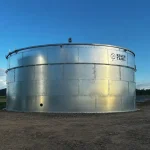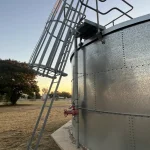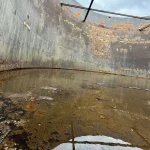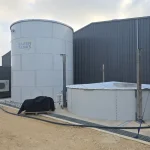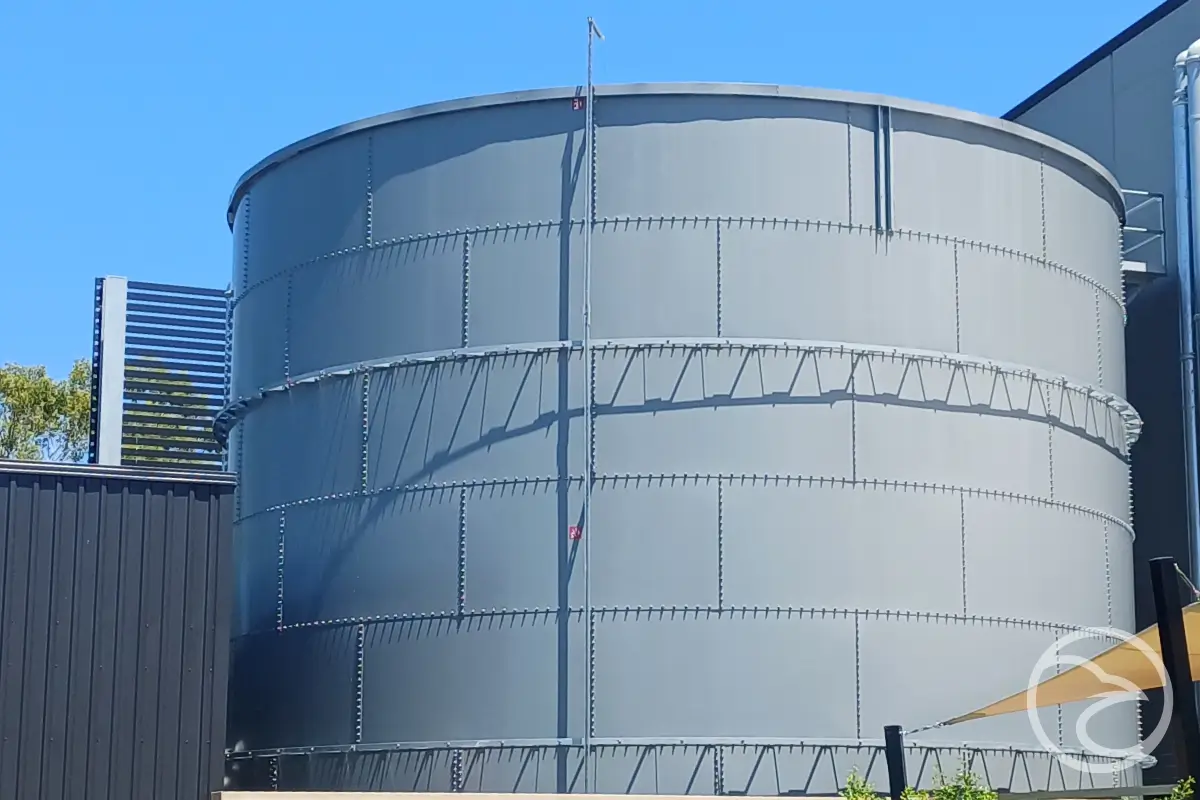

Fire water tanks are a critical part of fire protection systems across commercial, industrial, and public facilities. Unlike potable water tanks, they may sit unused for long periods, yet they must perform immediately when an emergency occurs. Any issue that reduces water availability or affects system performance can compromise fire protection when it is needed most.
For this reason, fire tank maintenance is not simply a recommended practice – it is an essential part of responsible asset management. Regular maintenance helps ensure the tank remains structurally sound, stores the required water volume, and continues supporting pumps and fire suppression systems as designed.
Over time, even well-maintained fire tanks accumulate sediment, corrosion products, organic debris, and other contaminants. Components such as valves, pipework, overflow systems, and protective coatings can also deteriorate through normal ageing and environmental exposure. Without routine maintenance, these issues may go unnoticed until they begin affecting system performance.
A comprehensive maintenance program combines inspections, cleaning, preventive servicing, and repairs to keep the entire fire water storage system operating efficiently. By identifying and addressing problems early, facility owners can reduce unexpected failures, extend asset life, and minimise long-term maintenance costs.
What is Fire Tank Maintenance?
Fire tank maintenance refers to the routine activities performed to keep a fire water storage tank safe, reliable, and ready for operation at all times. Rather than being a single service, maintenance is an ongoing process that preserves both the condition of the tank and the performance of the wider fire protection system.
The primary objective is to ensure the tank can deliver the required volume of water whenever a fire emergency occurs. This means maintaining not only the tank itself but also the components that support water storage and distribution.
A typical fire tank maintenance program may include:
- routine condition inspections
- internal and external cleaning
- sediment and sludge removal
- corrosion monitoring
- coating or liner maintenance
- repairs to damaged components
- inspection of valves and pipework
- overflow and inlet maintenance
- water quality management where required
- maintenance records and compliance documentation
Every fire tank is different. Maintenance requirements depend on factors such as the tank’s construction material, age, operating environment, storage capacity, and previous inspection results. Facilities that implement a planned maintenance program are generally better positioned to prevent unexpected failures than those relying solely on reactive repairs.
Is Fire Tank Maintenance the Same as Fire Tank Inspection?
Although these terms are often used interchangeably, they refer to different activities.
A fire tank inspection is an assessment of the tank’s condition. Its purpose is to identify developing issues such as corrosion, coating deterioration, sediment build-up, structural defects, or damaged components.
Fire tank maintenance, on the other hand, focuses on addressing those issues and keeping the tank in optimal operating condition.
| Fire Tank Maintenance | Fire Tank Inspection |
|---|---|
| Ongoing maintenance activities | Assessment of tank condition |
| Includes cleaning and servicing | Identifies defects and deterioration |
| May involve repairs | Provides inspection findings |
| Prevents operational issues | Detects potential problems |
| Supports long-term reliability | Supports maintenance planning |
In simple terms, inspections identify what needs attention, while maintenance ensures those issues are resolved before they affect system performance.
Both services are essential, and neither replaces the other.
Why Maintenance and Inspections Work Together
A proactive maintenance program relies on regular inspections to make informed decisions about servicing priorities.
For example, an inspection may identify:
- excessive sediment on the tank floor
- corrosion affecting steel surfaces
- damaged protective coatings
- deterioration of internal liners
- biological contamination
- leaking pipework
- damaged access hatches
- blocked overflow systems
Maintenance activities are then scheduled to address these findings before they develop into more serious problems.
This approach offers several advantages. Cleaning removes contamination that may accelerate corrosion, repairs restore damaged components, and protective maintenance helps prevent future deterioration. At the next inspection, technicians can evaluate a cleaner, better-maintained asset and identify any new issues more accurately.
Together, inspections and maintenance create a continuous improvement cycle that extends the service life of the tank while supporting reliable fire protection.
Fire Tank Maintenance Requirements
Effective fire tank maintenance involves much more than occasional cleaning. A complete maintenance program addresses every component that contributes to reliable water storage and delivery.
Routine Condition Assessments
Regular condition assessments help identify changes in the tank before they affect performance. Technicians evaluate the internal and external condition of the structure, looking for signs of corrosion, coating damage, leaks, deformation, or excessive sediment accumulation.
Internal Cleaning
Cleaning removes debris, sludge, algae, and other contaminants that naturally accumulate inside the tank. Regular cleaning helps preserve storage capacity and prevents contaminants from interfering with pumps, outlets, or valves.
Sediment Removal
Over time, suspended particles settle to the bottom of the tank and gradually form thick sediment layers. Removing this material restores effective storage volume and reduces the likelihood of blockages or biological growth.
Corrosion Management
Steel fire tanks are continually exposed to moisture, making corrosion control an important part of maintenance. Protective coatings, liners, and routine monitoring help reduce deterioration and extend the life of the structure.
Liner and Coating Maintenance
Internal liners and protective coatings provide a barrier between stored water and the tank structure. Damaged areas should be repaired promptly to maintain long-term protection and prevent corrosion from spreading.
Pipework and Valve Maintenance
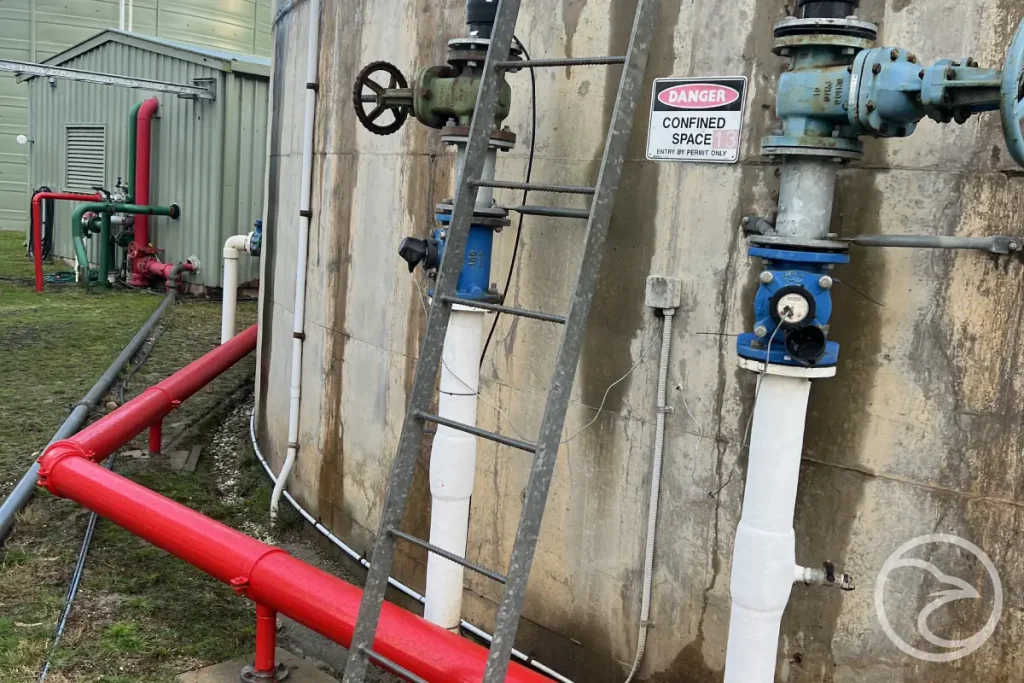
Fire tanks rely on associated pipework, isolation valves, overflow systems, inlet connections, and outlets to deliver water when required. These components should be inspected and maintained alongside the tank itself to ensure reliable operation.
Maintenance Documentation
Accurate maintenance records provide a history of inspections, cleaning, repairs, and servicing activities. This information supports long-term asset management and helps facility owners plan future maintenance more effectively.
Fire Tank Cleaning as Part of Maintenance
Cleaning is one of the most important elements of fire tank maintenance. Although fire water tanks are designed to remain full and ready for use, contaminants gradually accumulate inside every storage system. Without regular cleaning, these deposits can reduce storage capacity, interfere with equipment, and make inspections less effective.
Unlike potable water tanks, the primary objective of cleaning a fire tank is not drinking water hygiene. Instead, the focus is on maintaining the tank’s operational readiness and protecting the infrastructure that supports the fire protection system.
Common contaminants found inside fire tanks include:
- sediment from the water supply
- sludge formed by organic matter
- corrosion particles
- sand and silt
- leaves and insects
- dust carried through vents
- algae in areas exposed to sunlight
- biofilm on internal surfaces
Over time, these materials settle on the bottom of the tank and around pipework, pumps, and suction outlets. If left in place, they can reduce effective storage capacity, increase wear on pumps, and make future maintenance more complex.
Routine cleaning removes these contaminants before they become a larger problem. It also provides a cleaner internal environment for inspections and allows maintenance teams to identify corrosion, coating damage, or structural defects that may otherwise be hidden beneath accumulated sediment.
Types of Fire Tank Cleaning
There is no single cleaning method suitable for every fire water tank. The most appropriate approach depends on the size of the tank, its construction, the amount of contamination, and whether the tank can be temporarily taken out of service.
Modern maintenance providers typically select the cleaning method that delivers the best results while minimising disruption to fire protection systems.
Manual Fire Tank Cleaning
Manual cleaning remains the preferred option for tanks with heavy contamination or where technicians need full access to internal surfaces.
After the tank has been safely isolated and drained, trained personnel enter the confined space to remove accumulated sediment, sludge, and debris. Internal walls, floors, columns, and structural components are then cleaned using specialised equipment before the tank is returned to service.
Manual cleaning is particularly effective for:
- tanks with significant sediment build-up
- major maintenance projects
- preparation before coating or liner repairs
- older tanks requiring detailed internal assessment
Because manual cleaning involves confined space entry, strict safety procedures and specialised equipment are essential throughout the process.
No-Drain Fire Tank Cleaning
Many facilities cannot easily remove a fire water tank from service, particularly where it provides the primary water supply for fire protection.
In these situations, no-drain cleaning techniques may provide an effective alternative. Using specialised underwater equipment, technicians can remove sediment and debris while keeping the majority of the stored water inside the tank.
The advantages of no-drain cleaning include:
- reduced operational downtime
- continued availability of fire water reserves
- lower water replacement costs
- minimal disruption to facility operations
- improved maintenance efficiency
This approach is particularly valuable for critical infrastructure, hospitals, industrial facilities, data centres, and other sites where maintaining continuous fire protection is a priority.
ROV-Assisted Fire Tank Cleaning
Remote Operated Vehicles (ROVs) have transformed the maintenance of large fire water tanks.
These compact underwater robots are equipped with cameras, lighting systems, and cleaning or suction equipment that allow operators to remove sediment while monitoring conditions in real time.
ROV-assisted cleaning offers several important advantages over traditional methods. It significantly reduces the need for confined space entry, allows technicians to access difficult areas, and can often be completed with less operational disruption than conventional cleaning methods.
ROV technology is particularly well suited for:
- large steel fire tanks
- concrete reservoirs
- sectional panel tanks
- elevated storage tanks
- underground fire water reservoirs
In addition to cleaning, ROVs can capture high-quality imagery that supports future inspections and maintenance planning.
Sediment and Sludge Removal
Sediment removal is one of the most common maintenance activities performed on fire water tanks.
As suspended particles settle over time, they gradually form dense deposits across the tank floor. These deposits can restrict storage capacity and create conditions that accelerate corrosion or biological growth.
Professional sediment removal may involve:
- industrial vacuum systems
- underwater suction equipment
- pumping systems
- manual extraction
- ROV-assisted removal
Removing sediment before it becomes excessive helps preserve the tank’s full storage volume and reduces the likelihood of future maintenance issues.
High-Pressure Cleaning
Where heavy deposits have adhered to internal surfaces, high-pressure water cleaning may be used after loose sediment has been removed.
This method effectively removes mineral scale, corrosion products, algae, and stubborn deposits without using abrasive materials. When performed correctly, high-pressure cleaning restores internal surfaces while protecting coatings and liners from unnecessary damage.
The cleaning pressure and equipment are selected according to the tank’s construction material and overall condition.
When Does a Fire Tank Need Maintenance?
While routine maintenance should always follow a planned schedule, certain warning signs indicate that servicing should be carried out sooner rather than later.
Some of the most common indicators include:
- excessive sediment accumulation
- visible corrosion
- coating or liner damage
- algae or biological growth
- debris inside the tank
- blocked suction points
- leaking valves or pipework
- reduced effective storage capacity
- inspection reports identifying defects
- signs of structural deterioration
Not all maintenance requirements are immediately visible. Many developing issues are first identified during scheduled inspections or remote camera surveys. Addressing these problems early is generally faster, less expensive, and less disruptive than waiting until a failure occurs.
Rather than responding only when defects become obvious, facility owners benefit from implementing a proactive maintenance program that combines routine inspections, cleaning, and preventive servicing. This approach helps maintain system reliability while reducing the risk of unexpected repairs or operational interruptions.
Benefits of Routine Fire Tank Maintenance
Routine maintenance does far more than keep a fire tank clean. It protects the entire fire water storage system, helping ensure that water is available when an emergency occurs while reducing the likelihood of unexpected failures.
For businesses, preventive maintenance is also a cost-effective way to protect valuable infrastructure. Addressing minor issues early is generally less expensive than repairing extensive corrosion, replacing damaged components, or responding to emergency breakdowns.
Some of the key benefits of regular fire tank maintenance include:
Improved Fire System Readiness
A fire water tank must be ready to perform immediately during an emergency. Routine maintenance helps ensure that the required water volume remains available and that critical components continue operating as intended.
Extended Tank Service Life
Corrosion, sediment, and biological contamination gradually accelerate the deterioration of internal surfaces. Regular cleaning, protective maintenance, and timely repairs help slow this process and extend the lifespan of the tank.
Reduced Maintenance Costs
Preventive maintenance helps identify developing issues before they become major repairs. Cleaning sediment, repairing damaged coatings, and replacing worn components early can significantly reduce long-term maintenance expenses.
Better Equipment Performance
Fire water storage systems rely on pumps, valves, pipework, and outlets working together. Removing sediment and maintaining associated equipment reduces unnecessary wear and helps the system operate more efficiently.
Preservation of Storage Capacity
Heavy sediment build-up occupies valuable space inside the tank. Regular cleaning restores the tank’s effective storage volume and ensures sufficient water is available for fire protection.
Improved Inspection Accuracy
A clean tank provides inspectors with clear access to internal surfaces, allowing them to identify corrosion, coating damage, cracks, and other structural issues more accurately.
Lower Risk of Emergency Repairs
Planned maintenance significantly reduces the likelihood of unexpected failures that may require urgent repairs, emergency cleaning, or unplanned operational shutdowns.
Fire Tank Maintenance Schedule
There is no universal maintenance schedule that applies to every fire water tank. The appropriate frequency depends on the operating environment, the condition of the asset, applicable standards, and the results of previous inspections.
Several factors influence how often maintenance should be performed, including:
- tank size and design
- construction material
- water source
- environmental conditions
- sediment accumulation
- corrosion risk
- previous maintenance history
- inspection findings
- operational requirements
Rather than waiting for visible problems to appear, many organisations implement a preventive maintenance schedule that combines routine inspections with planned cleaning and servicing throughout the year.
This proactive approach allows maintenance work to be scheduled before contamination or deterioration begins affecting system performance.
Fire Tanks that Require Routine Maintenance
Every fire water storage tank requires maintenance, regardless of its size or construction.
Different tank designs present different maintenance challenges, but all benefit from regular inspections, cleaning, and preventive servicing.
Fire tank maintenance commonly applies to:
- steel fire tanks
- concrete fire tanks
- sectional panel tanks
- hot-dip galvanised (HDG) tanks
- welded steel tanks
- bolted steel tanks
- underground fire water tanks
- elevated storage tanks
- above-ground fire water reservoirs
Older tanks may require more frequent monitoring due to ageing materials, while newer installations benefit from routine maintenance that helps preserve their condition over the long term.
Regardless of the design, every fire tank should remain capable of delivering its intended water volume whenever the fire protection system is activated.
Industries that Depend on Fire Tank Maintenance
Fire water storage systems protect a wide range of commercial and industrial facilities where uninterrupted fire protection is essential.
Routine maintenance is commonly carried out across sectors such as:
- commercial buildings
- manufacturing facilities
- warehouses and distribution centres
- mining operations
- processing plants
- hospitals and healthcare facilities
- airports
- educational institutions
- government facilities
- councils and public infrastructure
- data centres
- agricultural operations
Each industry faces different operational risks, but all rely on properly maintained fire water storage systems to support emergency response and protect people, property, and business continuity.
Why Choose Professional Fire Tank Maintenance?
Maintaining a fire water tank involves far more than occasional cleaning. Many maintenance activities require specialised equipment, confined space procedures, and experienced personnel who understand the unique requirements of fire protection infrastructure.
Professional maintenance providers can assess the condition of the entire storage system, recommend appropriate servicing, and perform maintenance safely while minimising disruption to facility operations.
Professional fire tank maintenance typically includes:
- comprehensive condition assessments
- sediment and sludge removal
- manual and ROV-assisted cleaning
- no-drain cleaning where appropriate
- corrosion monitoring
- coating and liner maintenance
- valve and pipework servicing
- maintenance reporting and documentation
Experienced contractors also understand how maintenance activities fit within a broader asset management strategy. By combining inspections, cleaning, repairs, and preventive servicing, they help facility owners maximise asset life while reducing the likelihood of costly emergency repairs.
Conclusion
Fire tank maintenance is essential for ensuring that fire water storage systems remain reliable, efficient, and ready to perform when an emergency occurs. While fire tank inspections identify developing issues, maintenance addresses those issues through cleaning, servicing, repairs, and preventive care.
Routine maintenance helps remove sediment, control corrosion, preserve storage capacity, and protect the components that support fire protection systems. Modern techniques such as no-drain cleaning and ROV-assisted maintenance also allow many tanks to be serviced with minimal disruption to normal operations.
Rather than waiting for problems to develop, organisations that implement a proactive maintenance program can reduce long-term costs, extend the service life of their assets, and improve the reliability of their fire protection infrastructure.
Whether managing a commercial building, industrial facility, warehouse, hospital, or public asset, investing in professional fire tank maintenance helps ensure that fire water tanks remain ready to deliver dependable performance whenever they are needed most.