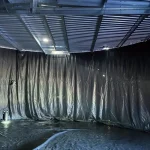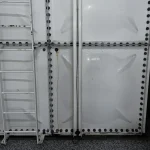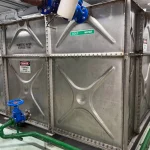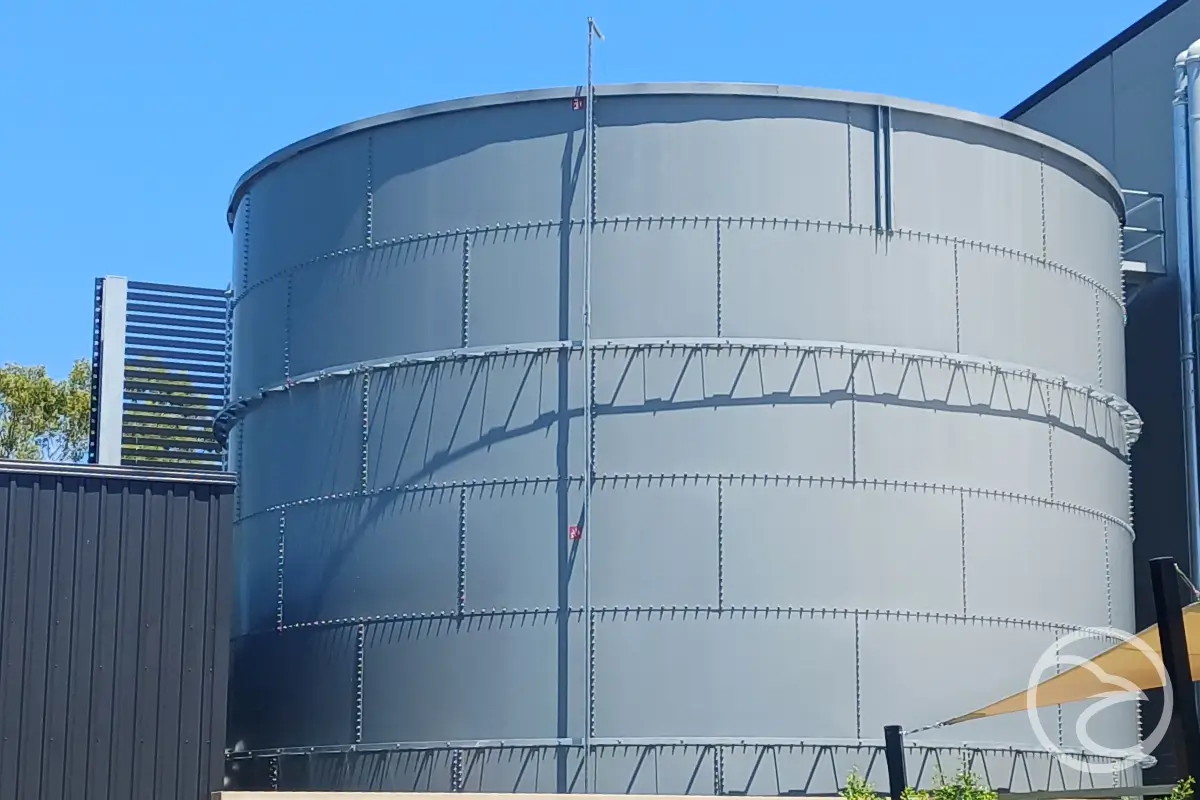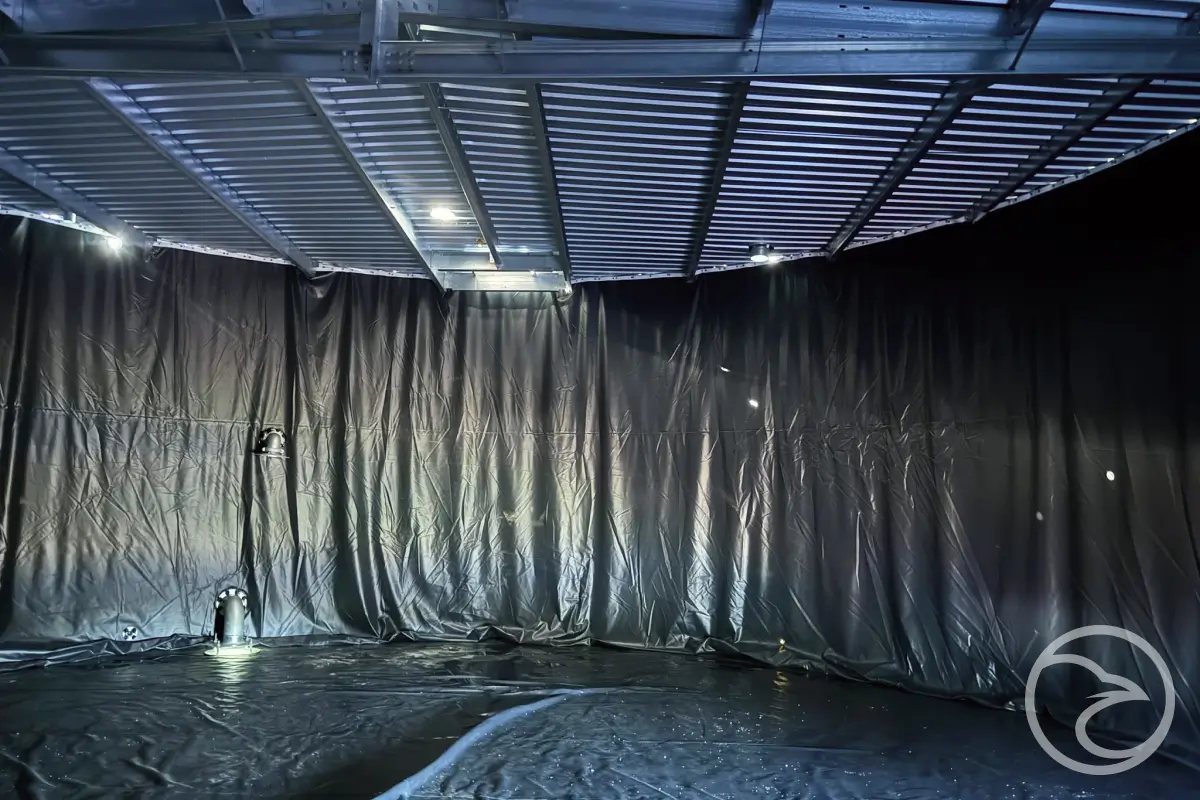
Water tank liners help protect storage systems against leaks, corrosion-related damage, and water loss. Among available materials, PVC is widely used for flexible internal tank lining systems.
PVC tank liners provide a waterproof barrier between stored water and the tank structure. They can support water storage in commercial, industrial, and fire protection applications. However, not every PVC membrane is suitable for every tank.
Water chemistry, temperature, installation conditions, and material specifications all influence performance. Understanding these factors helps facility managers select suitable liners and avoid premature failures.
This guide explores PVC tank liner advantages, limitations, applications, and maintenance requirements. It also explains what to consider before choosing a PVC lining system.
What are PVC Tank Liners?
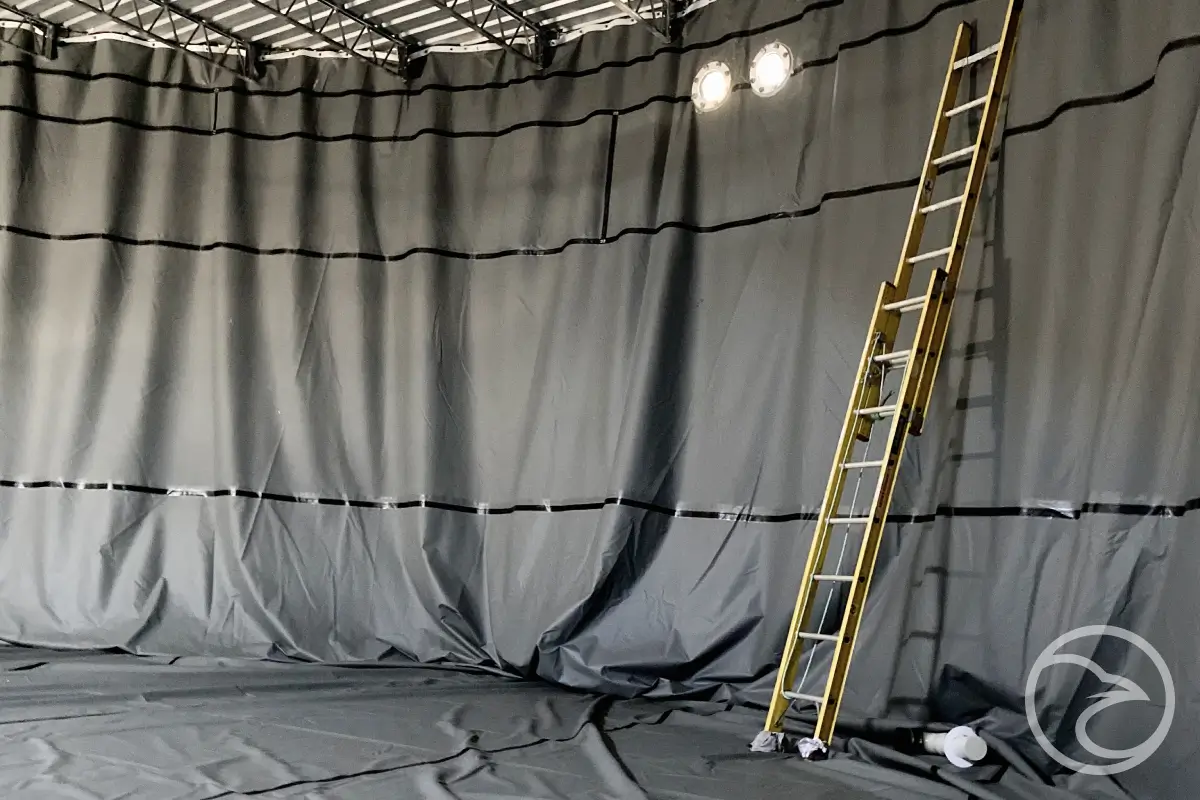
PVC stands for polyvinyl chloride, a polymer used in numerous industrial and construction applications. A PVC tank liner is a flexible membrane installed inside a water storage tank. Its primary purpose is to create a watertight barrier that separates stored water from the underlying structure.
Depending on the design, liners may be manufactured from reinforced PVC membranes. Reinforcement can improve dimensional stability and resistance to mechanical stresses.
PVC liners are commonly used in:
- Steel water tanks.
- Concrete water tanks.
- Commercial storage systems.
- Industrial water tanks.
- Fire protection water storage.
- Certain potable water applications.
The suitability of each liner depends on its formulation, construction, and intended operating conditions.
Choosing suitable PVC tank liners can help improve waterproofing and support long-term tank performance.
How do PVC Tank Liners Work?
A PVC liner forms an internal barrier that helps retain stored water. The membrane is positioned against the tank’s internal surfaces and secured using an appropriate installation system.
Individual membrane sections may be joined through suitable welding techniques. The installation method depends on the liner design and manufacturer specifications.
A properly installed liner helps prevent water from contacting vulnerable structural surfaces. This separation can reduce certain corrosion-related risks in steel tanks.
It can also limit water penetration through suitable concrete tank structures. However, PVC liners are not structural replacements for damaged tank walls.
The underlying tank must remain capable of supporting its intended operating loads. Structural defects should be assessed before liner installation.
Key Advantages of PVC Tank Liners
PVC liners offer several benefits for commercial and industrial water storage. Their flexibility, waterproofing properties, and adaptability make them suitable for various tank configurations.
1. Reliable Waterproof Protection
The primary benefit of a PVC tank liner is its ability to provide a watertight internal barrier. This can help prevent water loss through suitable tank structures.
Waterproofing is particularly important for ageing tanks with deteriorating internal protective systems. However, successful waterproofing depends on membrane integrity and installation quality.
Poorly constructed seams or damaged membranes can compromise performance.
2. Protection Against Direct Water Contact
PVC liners separate stored water from the tank’s internal structural surfaces. This barrier can reduce direct exposure to water and certain dissolved substances.
In steel tanks, separation may help limit corrosion associated with direct water contact. In concrete tanks, liners can help reduce water penetration through the internal surface.
However, the liner does not eliminate all corrosion or structural deterioration risks. Moisture trapped behind a liner may still create problems under certain conditions.
3. Flexible Installation
PVC membranes can accommodate various tank shapes and configurations. This flexibility makes them useful for rectangular, square, and other appropriately designed storage systems.
Custom-fabricated liners may be produced to suit specific tank dimensions. However, installation must account for internal fittings, corners, penetrations, and access points.
Poor detailing around these areas can increase leakage risks.
4. Suitability for Tank Refurbishment
PVC lining systems may be considered during refurbishment projects. Installing a suitable liner can restore water containment without replacing the entire tank structure.
This may be beneficial when the existing tank remains structurally sound. However, refurbishment suitability depends on the tank’s condition.
Corroded supports, damaged panels, or significant structural defects require separate assessment. A liner should not conceal unresolved structural problems.
5. Adaptability to Different Applications
PVC liners are available in formulations designed for different operating environments. Some products are intended for general water storage.
Others may be suitable for specific industrial or potable water applications. Material compatibility must be confirmed before installation.
Not all PVC products offer identical chemical resistance or certification.
6. Potential Cost Advantages
PVC liners can provide a practical alternative to replacing an entire water storage tank. This may reduce refurbishment costs in suitable situations.
However, the total project cost depends on several factors:
- Tank dimensions.
- Membrane specifications.
- Installation complexity.
- Existing tank condition.
- Access requirements.
- Surface preparation.
- Required fittings and penetrations.
A complete assessment should compare refurbishment costs with alternative repair or replacement options.
For a broader overview of lining materials, explore our water tank liner guide covering different liner types and applications.
Limitations of PVC Tank Liners
PVC offers useful waterproofing properties, but it also has limitations. Understanding these restrictions is essential for selecting a suitable lining system.
Temperature Sensitivity
PVC membrane performance depends on operating temperature. Elevated temperatures can affect flexibility, mechanical properties, and long-term material stability.
Low temperatures may also influence flexibility and installation behaviour. The acceptable temperature range depends on the specific formulation.
Manufacturers should provide suitable operating limits. PVC should not be selected for hot water applications without confirming material compatibility.
Chemical Compatibility
PVC offers resistance to various substances. However, it is not compatible with every chemical environment.
Certain solvents, oils, and aggressive chemicals may affect material performance. Industrial water can contain substances that require additional evaluation.
Chemical compatibility should be assessed using the actual stored liquid.
Mechanical Damage
PVC liners can experience punctures, cuts, or abrasion.
Potential causes include:
- Sharp internal surfaces.
- Exposed fasteners.
- Installation equipment.
- Inadequate surface preparation.
- Abrasive deposits.
- Improper maintenance procedures.
Protective layers or surface preparation may be necessary for some installations.
UV Exposure
Prolonged ultraviolet exposure can affect certain PVC formulations. However, UV resistance varies between products.
Some membranes contain additives designed to improve outdoor performance. The selected liner should match its expected exposure conditions.
Dependence on Installation Quality
Even a suitable membrane can fail when installed incorrectly. Poorly joined seams, unsuitable fastening methods, or inadequate detailing may cause leakage.
Installation quality is particularly important around:
- Corners.
- Pipe penetrations.
- Access openings.
- Internal supports.
- Overflow connections.
- Drainage fittings.
Professional installation and appropriate quality checks help reduce these risks.
Common Applications of PVC Tank Liners
PVC liners can support different water storage applications. However, the correct membrane specification depends on the intended use.
Fire Water Storage Tanks
Fire protection systems require reliable water availability. PVC liners may be used in suitable fire water storage tanks to maintain water containment.
Their flexibility can support refurbishment of certain existing tank structures. However, the complete storage system must satisfy applicable fire protection requirements.
Material selection should consider stored water conditions and relevant Australian standards.
Commercial Water Storage
Commercial facilities often require dependable water storage. PVC liners may be suitable for tanks serving buildings, facilities, and infrastructure.
Applications can include:
- General service water.
- Utility water storage.
- Suitable rainwater systems.
- Commercial backup storage.
The liner specification should match the stored water and operational requirements.
Industrial Water Storage
Industrial tanks may store process water, cooling water, or other liquids. PVC liners can be considered where their chemical and temperature resistance is suitable.
However, industrial applications require careful material compatibility assessment. The term industrial PVC tank liner does not guarantee suitability for every industrial liquid.
Concrete Water Tanks
Concrete tanks may develop cracks, surface deterioration, or waterproofing problems. A suitable PVC liner can provide an additional internal water containment barrier.
However, significant structural defects must be addressed separately. The tank should be assessed before refurbishment.
Steel Water Tanks
Steel tanks can experience corrosion when exposed to stored water. PVC liners may reduce direct contact between the water and internal steel surfaces.
This can support corrosion management in suitable installations. However, external corrosion and structural deterioration remain separate maintenance concerns.
Potable Water Storage
Some PVC lining systems are suitable for drinking water applications. In Australia, relevant water-contact products may require compliance with AS/NZS 4020.
However, compliance depends on the specific material and product. A general PVC designation does not establish drinking water suitability.
Certification and documentation should be verified before installation. For more information on drinking water safety and material requirements, explore our potable water tank liner guide.
PVC Tank Liner Thickness and Material Selection
PVC liners are available in different thicknesses and constructions. Selecting the correct specification is important for long-term performance. A thicker membrane is not automatically the best option.
Material formulation, reinforcement, installation conditions, and expected stresses also influence suitability.
Factors Affecting Membrane Selection
Important considerations include:
- Stored water type.
- Tank dimensions.
- Operating temperature.
- Internal surface condition.
- Expected mechanical exposure.
- Reinforcement requirements.
- Installation method.
- Maintenance accessibility.
Large tanks may require additional design considerations. However, membrane thickness alone does not determine the structural suitability of a lining system.
Reinforced vs Unreinforced PVC Liners
Reinforced PVC membranes contain an internal reinforcement layer. This can improve dimensional stability and certain mechanical properties.
Unreinforced membranes may offer different flexibility and fabrication characteristics. The correct construction depends on the intended application.
Why Tank Dimensions Matter
PVC liners must fit the tank’s internal geometry.
Measurements should account for:
- Tank length and width.
- Internal height.
- Corners and transitions.
- Pipe penetrations.
- Access openings.
- Internal supports.
Incorrect measurements can complicate installation and create unnecessary membrane stresses. Accurate dimensions support proper fabrication and fitting.
For more information on tank sizing and configurations, explore our water storage tank dimensions guide.
How Long do PVC Tank Liners Last?
PVC tank liner service life depends on material quality, installation, and operating conditions. There is no universal lifespan suitable for every PVC membrane.
A liner used in mild conditions may perform differently from one exposed to aggressive chemicals.
Important factors include:
- Material formulation.
- Operating temperature.
- Water chemistry.
- UV exposure.
- Installation quality.
- Mechanical stresses.
- Cleaning procedures.
- Inspection frequency.
Regular inspections help identify deterioration before significant leakage develops. For broader information about material ageing, explore how liners fail over time.
Common PVC Tank Liner Problems
PVC lining systems can experience several types of deterioration. Early identification helps reduce water loss and unexpected maintenance costs.
Punctures and Tears
Sharp surfaces or improper handling can damage the membrane. Small punctures may eventually cause leakage.
The underlying cause should be identified before repairs are completed.
Seam Damage
Membrane seams are important for maintaining watertight performance. Poor welding or excessive stress may compromise seam integrity.
Professional assessment can determine whether localised repairs are appropriate.
Incorrect Installation
Improper fitting can create wrinkles, excessive tension, or poorly secured areas. These problems may affect performance over time.
Installation procedures should follow the liner manufacturer’s specifications.
Material Deterioration
Chemical exposure, temperature, and ageing can affect PVC properties.
Potential warning signs include:
- Changes in flexibility.
- Surface cracking.
- Discolouration.
- Localised deformation.
- Unexpected leakage.
Not every visible change indicates failure. However, unusual deterioration should be investigated.
Damage Around Penetrations
Pipe connections and internal fittings require careful detailing. Movement, unsuitable seals, or installation defects may cause leakage around these areas.
Regular inspections should include all penetrations and connection points.
How to Choose the Right PVC Tank Liner
Selecting a PVC liner requires a complete assessment of the storage system. The membrane should match both the stored liquid and the tank structure.
1. Identify the Stored Liquid
Determine whether the tank stores potable water, fire water, or industrial process water. Each application may require different material properties.
2. Review Water Chemistry
Assess relevant chemical characteristics. Industrial liquids may require detailed compatibility testing.
3. Check Operating Temperature
Confirm the expected temperature range. The selected membrane must remain suitable throughout normal operating conditions.
4. Inspect the Existing Tank
Before refurbishment, assess structural condition and internal surfaces. Damaged supports or severe corrosion may require repairs before lining.
5. Review Installation Requirements
Consider access restrictions, internal fittings, and membrane joining methods. Complex installations may require custom fabrication.
6. Confirm Material Documentation
Request appropriate technical information and compliance documentation. For potable water applications, verify relevant Australian drinking water requirements.
7. Plan Future Maintenance
Choose a system that supports inspection and appropriate cleaning. Good access can simplify long-term maintenance.
PVC Tank Liner Maintenance and Inspection
Regular maintenance helps preserve liner performance. Inspection requirements should reflect the tank’s application and operating conditions.
Check for Visible Damage
Inspect accessible membrane surfaces for punctures, tears, or unusual deformation. Pay particular attention to corners and areas around internal fittings.
Examine Seams and Connections
Seams and penetrations should remain watertight. Any suspected leakage requires investigation.
Monitor Water Levels
Unexpected water loss may indicate leakage. However, water level changes can have several causes.
Operational factors should be assessed before assuming liner failure.
Use Compatible Cleaning Methods
Cleaning procedures must suit the PVC formulation. Unsuitable chemicals or abrasive equipment can damage the membrane.
Follow the manufacturer’s recommendations.
Arrange Professional Assessments
Professional inspections can help identify damage that routine visual checks may miss. Early assessment supports timely repair decisions.
Where damage is detected, suitable tank liner repairs may restore performance without complete replacement. However, extensive deterioration may require a new liner.
Conclusion
PVC tank liners provide a practical waterproofing solution for many commercial and industrial water storage systems. Their flexibility and adaptability make them useful for suitable steel and concrete tanks. However, performance depends on material selection, installation quality, and operating conditions.
Temperature, chemical exposure, mechanical damage, and maintenance requirements should all be considered. A properly specified lining system can support reliable water containment and reduce certain refurbishment challenges.
Understanding PVC tank liner advantages and limitations helps facility managers make informed decisions and plan long-term maintenance.