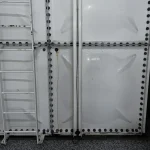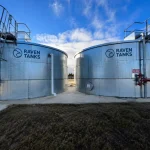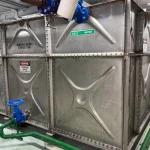

Glass Reinforced Plastic (GRP) tanks are widely used for water storage, industrial processes, and fire protection systems. Their corrosion resistance, strength, and relatively low weight make them suitable for many demanding applications.
However, GRP tanks are not completely resistant to damage. Environmental exposure, operational stress, ageing, and inadequate maintenance can gradually affect their condition. Some problems develop slowly and remain unnoticed until visible damage appears. Others result from sudden impacts, excessive pressure, or unsuitable operating conditions.
Understanding these risks helps tank owners recognise potential problems before they become serious. Early detection also supports safer operation and more effective maintenance planning.
This guide explores common causes of GRP tank damage, warning signs, structural concerns, and practical prevention strategies.
Understanding GRP Tank Deterioration
GRP is a composite material made from glass fibres embedded within a polymer resin. The glass fibres provide reinforcement, while the resin binds them together and protects the composite structure. This combination creates a durable material with excellent corrosion resistance and a favourable strength-to-weight ratio.
GRP tanks are commonly manufactured as sectional panel systems or continuous composite structures. Their design depends on storage requirements, operating conditions, and the substances being stored. Despite their durability, GRP materials can deteriorate under certain conditions.
Repeated mechanical stress may gradually weaken vulnerable areas. Chemical exposure can affect resin performance when materials are incompatible with stored substances. Environmental conditions may also contribute to surface degradation over time.
Damage generally falls into two categories:
-
Surface deterioration: Changes affecting the outer resin layer, appearance, or protective finish.
-
Structural deterioration: Damage involving reinforcing fibres, laminate integrity, connections, or load-bearing components.
Surface changes do not always indicate serious structural problems. However, some visible defects may suggest deeper deterioration. For example, a minor surface crack may remain superficial or extend into the underlying laminate.
The difference cannot always be determined through visual inspection alone. Understanding how GRP materials behave helps maintenance teams identify potential risks and determine when further assessment is necessary.
Investing in quality GRP panel water tanks can help minimise premature deterioration and support reliable long-term performance.
What Causes Damage to GRP Tanks?
GRP tank deterioration can result from several environmental, mechanical, and operational factors. Some causes affect the tank surface, while others compromise structural performance.
Identifying these factors helps facility managers develop appropriate maintenance strategies.
Environmental Exposure and UV Radiation
Outdoor GRP tanks are regularly exposed to sunlight, rain, wind, and changing temperatures. Prolonged ultraviolet (UV) exposure can gradually degrade exposed resin surfaces, particularly when protective finishes are inadequate.
This process may cause:
-
Surface discolouration or fading.
-
Loss of surface gloss.
-
Chalky or powdery deposits.
-
Increased surface roughness.
-
Exposure of reinforcing fibres in advanced cases.
UV-related deterioration often develops gradually. Although surface weathering does not automatically indicate structural failure, prolonged degradation can reduce protection for underlying composite layers.
Protective coatings and appropriate material selection can help limit environmental deterioration. Regular inspections are particularly important for tanks installed outdoors.
Chemical Exposure and Material Compatibility
GRP tanks are frequently selected because they resist corrosion better than many conventional materials. However, chemical resistance depends on the resin system, operating temperature, concentration, and stored substance.
Not every GRP formulation is suitable for every chemical environment. Incompatible substances may affect the resin matrix and weaken the composite structure.
Potential warning signs include:
-
Resin softening or surface changes.
-
Blistering within affected areas.
-
Discolouration or unusual surface texture.
-
Localised laminate deterioration.
-
Reduced resistance to mechanical stress.
Chemical exposure becomes particularly important in industrial storage applications. Changes in stored substances or cleaning chemicals may introduce risks that were not considered during initial tank design.
Tank operators should confirm chemical compatibility before changing operating conditions.
Temperature Changes and Thermal Stress
Temperature fluctuations cause materials to expand and contract. GRP tanks are designed to accommodate specified operating conditions. However, repeated or excessive temperature changes may introduce additional stresses.
Thermal movement can affect connections, joints, and areas where different materials meet. Rapid temperature changes may also increase stress concentrations within the composite structure.
Potential consequences include:
-
Movement around panel connections.
-
Increased stress near fittings.
-
Deterioration of vulnerable joints.
-
Localised cracking.
-
Changes in sealing performance.
The severity depends on tank design, material properties, and operating conditions. High temperatures may also affect resin performance when operating limits are exceeded.
Maintaining temperatures within manufacturer specifications helps reduce unnecessary stress.
Mechanical Impact and Excessive Loading
GRP tanks can experience mechanical damage during installation, maintenance, or normal facility operations. Accidental impacts from equipment may damage exposed surfaces or structural components.
Excessive loading can also create problems.
Examples include:
-
Heavy objects placed on unsupported tank surfaces.
-
Incorrectly supported pipework.
-
Unauthorised modifications.
-
Excessive external loads.
-
Unexpected pressure or vacuum conditions.
-
Movement caused by inadequate foundations.
Localised stress can produce cracks, deformation, or laminate damage. Sectional tanks may also experience additional stress around panel connections when loads are distributed incorrectly.
Mechanical damage is not always immediately visible. An impact may affect internal reinforcement without producing extensive surface cracking.
Any significant impact should therefore be documented and assessed appropriately.
Ageing and Inadequate Maintenance
GRP tanks can provide many years of reliable service when properly designed, installed, and maintained. However, ageing can gradually affect resin properties, seals, connections, and other components.
The rate of deterioration depends on operating conditions and material quality. Inadequate maintenance may allow minor defects to develop into more serious problems.
Common contributing factors include:
-
Missed inspections.
-
Unresolved leaks.
-
Poorly maintained seals.
-
Repeated exposure to unsuitable chemicals.
-
Undocumented structural changes.
-
Failure to investigate unusual deformation.
Age alone does not determine whether a tank remains suitable for service. A well-maintained older tank may perform better than a newer tank exposed to unsuitable operating conditions.
Condition-based assessments provide more useful information than age alone.
Common Warning Signs of GRP Tank Damage
Early warning signs can help identify deterioration before it affects tank performance. Some defects are visible during routine inspections. Others become apparent through changes in operation.
Recognising these signs allows maintenance teams to investigate potential problems promptly.
Visible Cracks and Surface Changes
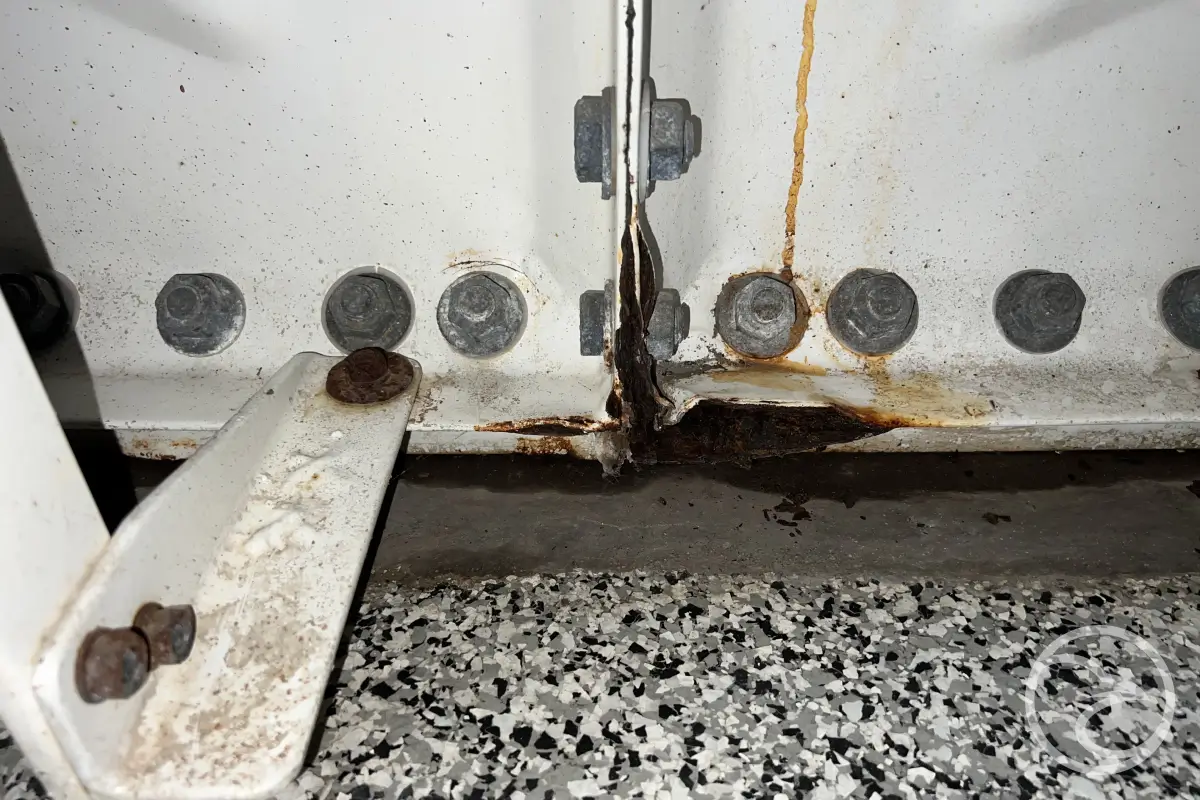
Cracks are among the most recognisable signs of GRP deterioration. They may appear as fine surface lines, isolated fractures, or more extensive damage.
Common locations include:
-
Panel corners and edges.
-
Areas surrounding fittings.
-
Tank walls near structural supports.
-
Locations exposed to repeated movement.
-
Previously damaged surfaces.
Not all cracks have the same significance. Fine surface crazing may affect only the outer resin layer. Deeper cracks may extend into reinforcing fibres and reduce laminate integrity.
Crack width, location, depth, and progression all influence the level of concern. Changes should be recorded rather than dismissed based on appearance alone.
Leaks and Unexplained Water Loss
Water leakage may indicate deterioration around joints, seals, fittings, or tank walls. In sectional GRP tanks, panel connections are particularly important because they rely on effective sealing.
Leaks may appear as:
-
Persistent moisture around joints.
-
Dripping beneath the tank.
-
Wet patches around fittings.
-
Unexplained reductions in stored water.
-
Recurring dampness near the tank base.
However, moisture around a tank does not always originate from structural damage. Condensation, nearby pipework, and external water sources can produce similar symptoms.
Identifying the actual source is essential. Persistent or unexplained leakage should be investigated before the condition worsens.
Recognising early warning signs is essential, as explained in our detailed guide to water tank problems and solutions.
Bulging, Deformation and Panel Movement
Changes in tank shape may indicate abnormal loading or structural movement. GRP tanks are designed to withstand specified hydrostatic and operational loads.
Visible deformation beyond expected design behaviour may suggest a problem.
Warning signs include:
-
Unusual outward bulging.
-
Uneven panel alignment.
-
Movement around connections.
-
Distortion near supports.
-
Changes in tank wall geometry.
Some controlled deflection may be normal for certain tank designs. However, new, increasing, or uneven deformation deserves attention.
Excessive movement can affect joints, seals, and other structural components. Professional assessment may be necessary to determine whether deformation remains within acceptable limits.
Discolouration, Blistering and Delamination
Changes in surface appearance can provide useful information about GRP condition. Discolouration may result from weathering, chemical exposure, or surface contamination.
Blistering can indicate localised changes within resin-rich layers or the laminate. Delamination occurs when bonded composite layers separate.
Possible indicators include:
-
Raised surface areas.
-
Localised bubbles or blisters.
-
Separation between laminate layers.
-
Unusual surface texture.
-
Hollow-sounding areas identified during specialist examination.
These symptoms do not always share the same cause. For example, surface blistering may differ significantly from deeper structural delamination.
Correct identification is important because each condition has different implications for tank performance.
How GRP Tank Damage Affects Performance and Safety
GRP tank damage can affect more than appearance. Depending on its severity and location, deterioration may influence storage reliability, structural integrity, and operational safety.
Reduced Water Retention
Cracks, damaged seals, and deteriorated joints can allow stored water to escape. Even relatively small leaks may cause ongoing water loss.
Persistent leakage can also damage surrounding equipment, foundations, or building materials. For industrial facilities, unexpected water loss may interrupt operational processes.
Structural Integrity Concerns
GRP tanks rely on composite strength, correct support, and appropriate load distribution. Damage affecting reinforcement or critical connections may reduce structural performance.
Progressive deterioration can increase stress on surrounding components. This makes early investigation important, especially when visible deformation or structural cracking occurs.
Water Quality Risks
Damage may create conditions that increase contamination risks in water storage systems. For example, compromised seals or openings may allow external contaminants to enter under certain conditions.
The actual risk depends on tank design, stored water, and surrounding environment. Potable water systems require particular attention to hygiene and material suitability.
Operational Disruption
Unexpected tank problems may require inspections, temporary shutdowns, or changes to facility operations. These interruptions can affect industrial processes and essential storage systems.
Fire protection water tanks require additional consideration because reliable water availability is critical. Any condition affecting required fire water capacity or system readiness should be addressed through appropriate procedures.
Preventive monitoring helps reduce the likelihood of unexpected operational disruption.
How to Identify GRP Tank Problems Early
Early identification depends on consistent observations, accurate records, and appropriate inspection practices. Not every defect can be detected through a basic visual check.
However, routine monitoring can reveal changes that warrant further investigation.
Routine Visual Inspections
Visual inspections help identify accessible signs of deterioration. Maintenance personnel can look for visible changes around tank walls, connections, supports, and external fittings.
Useful observations include:
-
New cracks or surface irregularities.
-
Unusual moisture around joints.
-
Visible panel movement.
-
Surface blistering or discolouration.
-
Changes around pipe connections.
-
Deterioration of accessible seals.
Inspections should follow applicable safety procedures and manufacturer recommendations. Personnel should not enter tanks or access unsafe areas without appropriate authorisation and controls.
Internal inspections may require specialist personnel and confined-space safety arrangements.
Maintaining tank structural integrity requires systematic inspections, with key considerations covered in our tank inspection guide.
Monitoring Tank Performance
Operational changes can reveal problems that are not immediately visible. Monitoring may include water levels, leakage patterns, temperature conditions, and unusual structural movement.
Repeated water loss may indicate leakage. Unexpected changes in tank geometry may suggest abnormal loading or support problems. Monitoring results should be compared with normal operating conditions.
A single unusual reading does not always confirm damage. However, repeated deviations may justify closer examination.
Documenting Changes Over Time
Inspection records help maintenance teams understand how tank conditions develop. Photographs, dates, measurements, and observations provide useful reference points.
A consistent record can reveal whether a crack remains stable or gradually expands.
Documentation should include:
-
Inspection dates.
-
Locations of observed defects.
-
Photographs of affected areas.
-
Changes since previous inspections.
-
Relevant operating conditions.
-
Recommended follow-up actions.
Accurate records support maintenance planning and professional assessments. They also reduce reliance on memory when comparing conditions across several years.
Preventive Maintenance Practices for GRP Tanks
Preventive maintenance helps identify deterioration early and reduce avoidable damage. An effective approach considers the tank’s design, environment, operating conditions, and maintenance history.
The following practices can support long-term performance.
Establish a Regular Inspection Schedule
Inspection frequency should reflect tank use, condition, manufacturer guidance, and applicable requirements. High-risk applications may require more frequent assessments.
Routine inspections should focus on visible deterioration, leakage, deformation, and changes around critical connections. Inspection intervals should also be reviewed after significant operational changes.
Maintain Suitable Operating Conditions
GRP tanks should operate within their specified design limits. These may include restrictions involving temperature, pressure, stored substances, and external loading.
Operating outside these limits can increase material stress. Tank owners should review specifications before changing stored liquids or operating procedures.
Monitor Joints, Seals and Connections
Joints and connections are important areas for sectional GRP tanks. Changes in sealing performance may produce leakage even when the panels remain structurally sound.
Regular observations can help identify moisture, movement, or deterioration. Pipe connections should also be checked for signs of excessive loading or displacement.
Protect Tanks from External Damage
Appropriate site management can reduce accidental impacts and unnecessary loading. Equipment should not be stored against tank walls unless the installation is designed for such contact.
Nearby maintenance activities should account for vulnerable tank surfaces and fittings. Where necessary, protective barriers can reduce exposure to vehicle or equipment impacts.
Use Appropriate Cleaning Practices
Cleaning procedures should reflect tank materials and stored substances. Unsuitable chemicals or abrasive methods may damage protective resin surfaces.
Cleaning products should be compatible with the GRP system. Potable water tanks may also require specific hygiene procedures.
Personnel should follow relevant site requirements and manufacturer recommendations.
Keep Maintenance Records Updated
A complete maintenance history helps identify recurring problems. Records should include inspections, cleaning activities, observed defects, and relevant assessments.
Previous findings can help determine whether deterioration is isolated or recurring. Documentation also supports planning for future maintenance expenditure.
Review Conditions after Significant Events
Certain events may justify additional inspection outside the normal schedule.
Examples include:
-
Accidental mechanical impacts.
-
Significant temperature excursions.
-
Unexpected pressure conditions.
-
Changes in stored chemicals.
-
Unusual foundation movement.
-
Major modifications to connected equipment.
Reviewing tank condition after these events helps identify damage that routine inspections might otherwise miss.
When does GRP Tank Damage Require Professional Assessment?
Some GRP tank problems cannot be accurately evaluated through routine visual inspection. A professional assessment may be necessary when damage appears structural, progressive, or difficult to identify.
Particular warning signs include:
-
Cracks extending into reinforced laminate.
-
Persistent or unexplained leakage.
-
Increasing wall or panel deformation.
-
Suspected delamination.
-
Damage around structural supports.
-
Significant impact damage.
-
Recurring problems after previous maintenance.
An assessment can help determine the extent of deterioration and its potential effect on safe operation. Specialists may examine laminate condition, structural connections, loading conditions, and other relevant factors.
The appropriate assessment method depends on tank design and the observed defect. For more information about professional GRP tank repairs, refer to the dedicated service page.
Where damage may affect structural stability or essential water availability, appropriate safety procedures should take priority. Early professional evaluation can help facility managers make informed decisions about continued operation.
Conclusion
GRP tanks offer durable storage solutions across industrial, commercial, and essential water systems. However, environmental exposure, mechanical stress, chemical incompatibility, and ageing can gradually affect their condition.
Recognising warning signs helps facility managers identify potential problems before deterioration becomes more extensive. Regular inspections, appropriate operating conditions, and accurate maintenance records support long-term tank performance.
Visible cracking, persistent leakage, unusual deformation, and suspected delamination should never be ignored. A proactive approach to GRP tank maintenance helps protect structural integrity, maintain storage reliability, and reduce avoidable operational disruptions.