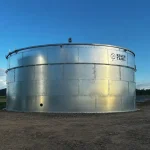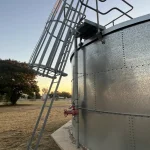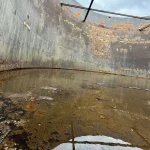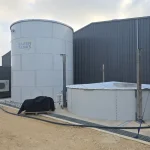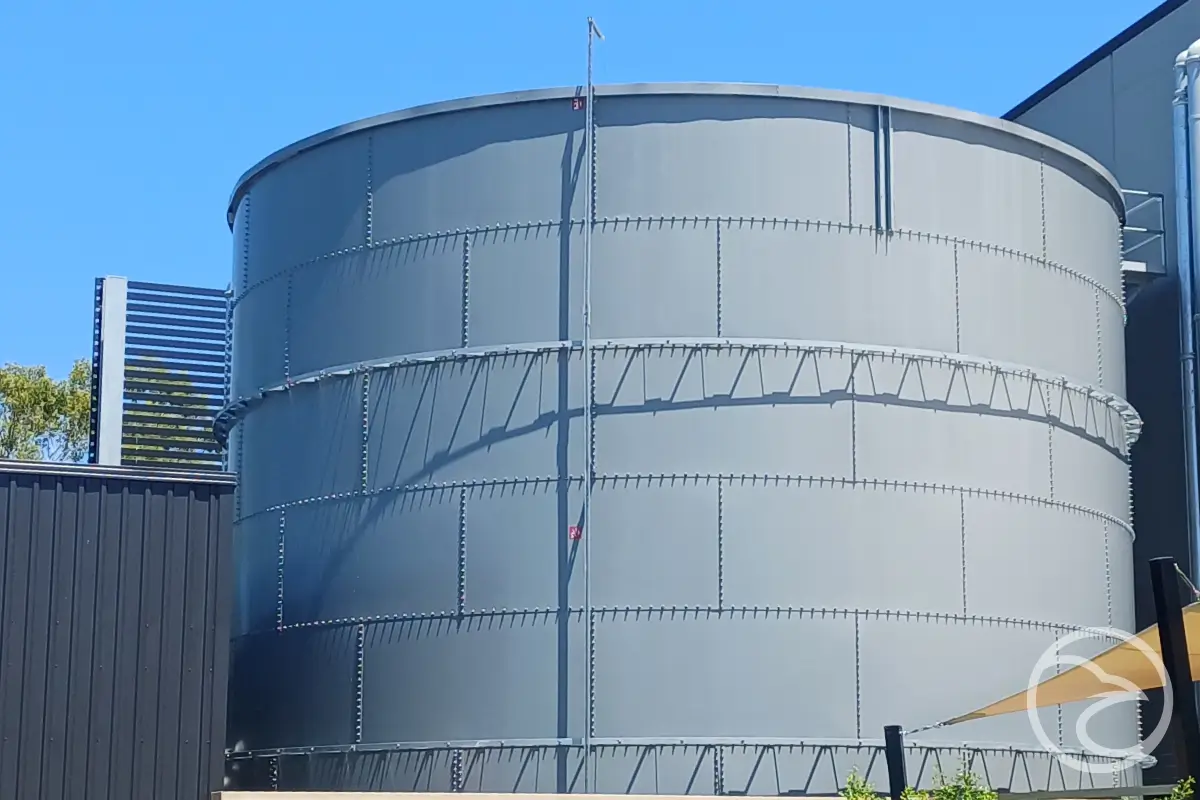
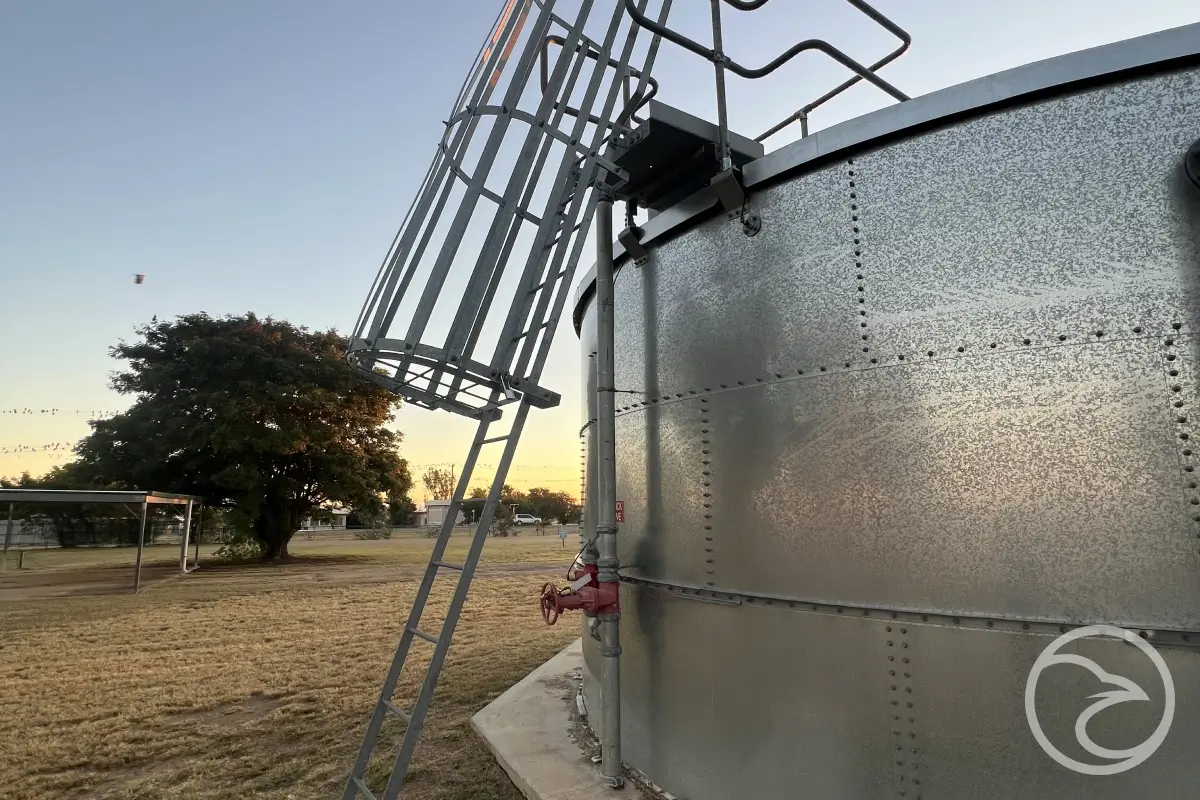
Safe access is an important part of water tank design, inspection, and ongoing maintenance. Tank access ladders provide a permanent route to areas that cannot be reached safely from ground level.
These areas may include tank roofs, access hatches, inspection points, platforms, and internal spaces. Different tanks require different access arrangements based on their size, construction, location, and intended maintenance activities.
A ladder may provide external roof access or form part of an internal tank entry system. Materials and configurations also vary between applications. Understanding these differences helps facility managers recognise how tank access systems work.
It also supports safer planning for inspections, cleaning, maintenance, and other routine activities. This guide explains tank access ladders, common configurations, materials, safety features, and maintenance considerations.
What is a Tank Access Ladder?
A tank access ladder is a fixed structure designed to provide access to elevated or internal areas of a tank. Unlike portable ladders, these systems normally remain permanently attached to the tank or supporting structure.
A water tank access ladder may lead from ground level to the tank roof. Another ladder may provide access from a roof hatch into the tank interior. Some systems also incorporate platforms, guardrails, gates, and other access components.
The exact configuration depends on the tank and the activities requiring access. Industrial tank access ladders are commonly found on water storage tanks and other large storage structures.
Their primary purpose is straightforward. They provide a designated route for authorised personnel who need to reach otherwise inaccessible tank areas.
However, a ladder is only one component within a complete access arrangement. The surrounding platform, hatch, mounting system, and fall protection can be equally important.
Our tank access ladders provide practical access solutions for water tanks, supporting inspection, maintenance, and routine servicing.
Why do Water Tanks Need Access Ladders?
Large water tanks require periodic access throughout their operating life. Personnel may need to reach the roof for inspection or maintenance.
Other activities can require access through a hatch and into the tank.
Common reasons for tank access include:
- routine visual inspections;
- water tank cleaning;
- roof inspections;
- access hatch inspections;
- maintenance of tank components;
- internal condition assessments;
- repair preparation;
- monitoring of structural components.
A ladder for water tank cleaning may provide access to areas needed before cleaning begins. However, having a ladder does not automatically make tank entry safe.
Internal tank work can involve additional hazards and access procedures. The ladder primarily provides a defined physical route between different levels.
Its design must suit the tank configuration and intended access requirements.
External and Internal Tank Access Ladders
Tank ladders can generally be divided into external and internal access arrangements. The distinction depends on where the ladder is installed and what area it serves.
External Tank Ladders
External ladders are installed on the outside of a tank. They commonly provide access from ground level to a roof, platform, walkway, or access hatch. Many large tanks are too high for practical access using ordinary portable equipment.
A permanent external ladder creates a consistent access route for authorised personnel. The ladder may terminate directly at roof level. Alternatively, it may connect to an access platform near the top of the tank.
The configuration depends on the tank structure and access point location. External ladders remain exposed to environmental conditions.
Rain, moisture, temperature changes, airborne contaminants, and coastal environments can affect their condition. Material selection and regular inspection are therefore important considerations.
Internal Tank Entry Ladders
Tank entry ladders provide access from an upper opening into the tank interior. They may be installed below a roof hatch or another designated entry point.
Internal access can be necessary for inspection, cleaning, maintenance, and repair activities. However, entering a tank is different from simply climbing an external ladder. Tank interiors can present hazards that require specific procedures and controls.
The presence of a tank entry ladder does not replace those requirements. Internal ladders may also experience environmental conditions that differ from external systems.
Water quality, moisture, tank contents, and internal atmosphere can influence material selection. The ladder must remain suitable for its intended environment throughout its service life.
Common Types of Tank Access Ladders
There is no single ladder configuration suitable for every water tank. Tank height, construction, roof design, access frequency, and site conditions can influence the selected arrangement.
Several ladder types are commonly associated with industrial and water storage tanks.
Fixed Vertical Tank Ladders
Fixed vertical ladders are permanently connected to the tank or its supporting structure. They provide direct vertical access between different levels. This configuration uses relatively little space compared with stairs or inclined access systems.
Vertical ladders are therefore useful where available ground space is limited. A GFS tank vertical ladder may be incorporated into the access arrangement of a glass-fused-to-steel tank. The ladder configuration must remain compatible with the tank structure.
Attachment points require careful consideration because loads are transferred into the supporting structure. The surrounding area also needs enough clearance for safe movement.
Sectional Tank Ladders
Sectional tank ladders consist of multiple ladder sections rather than one continuous fabricated component. This approach can simplify transport, handling, installation, and replacement.
Individual sections can be designed around the height and geometry of the tank. Connections between sections are important parts of the complete system. They must maintain alignment and structural stability during use.
Sectional construction does not change the basic purpose of the ladder. It still provides a permanent route between designated access levels.
However, every connection becomes another area that may require inspection during the ladder’s service life.
Tank Ladders with Platforms
Some tanks use a tank ladder with platform access near the roof or another elevated location. The platform creates a defined area between the ladder and the next access point. For example, personnel may climb the ladder before stepping onto a platform beside an access hatch.
Platforms can also provide space for movement around specific tank components. Their design may include flooring, guardrails, gates, and structural supports. The ladder and platform should function as one coordinated access arrangement.
Poor alignment between these components can make transitions difficult. The position of the access hatch also influences platform layout.
How Tank Ladders work with Access Platforms and Hatches
A tank access system often includes more than a ladder. Ladders, platforms, walkways, and hatches can form a connected access route. The ladder provides vertical movement.
A platform provides a working or transition area at an elevated level. The hatch then provides access through the tank roof or another surface.
Understanding these separate functions helps explain why access systems vary between tanks.
Tank Access Platforms
An access platform provides a stable area at a designated location on the tank. Platforms are commonly positioned near roof access points or other components requiring periodic attention.
A platform may connect directly with a fixed ladder. Guardrails and other protective components may also form part of the arrangement. Industrial tanks can require different platform sizes and configurations.
Available space, tank geometry, access frequency, and maintenance needs can influence the design. A tanker access platform serves a related access purpose but may involve different equipment and operating conditions.
It should not automatically be treated as identical to a fixed water tank platform.
What is a Water Tank Access Hatch?
A water tank access hatch is an opening that allows authorised access through the tank structure. It is commonly located on the roof or another designated entry position. The access hatch for a water tank may be reached using a fixed ladder and platform.
These components work together but perform separate functions. The ladder provides movement between levels. The platform provides space near the entry point.
The hatch provides an opening for inspection or authorised entry. Hatch condition is therefore another important part of the overall access arrangement.
Materials Used for Tank Access Ladders
Material selection affects durability, maintenance requirements, weight, and corrosion performance. The appropriate material depends on the tank environment and overall system design.
Common options include galvanised steel, stainless steel, and aluminium.
Galvanised Steel
Galvanised steel is widely used for industrial access structures. A protective zinc coating helps protect the underlying steel from corrosion. This combination provides structural strength and environmental protection.
Galvanised components can be suitable for many outdoor water tank applications. However, the coating should remain in suitable condition. Damage can expose underlying material and create areas requiring closer attention.
Environmental conditions also influence long-term performance.
Stainless Steel
A stainless steel ladder for water tank access can provide strong corrosion resistance. Different stainless steel grades offer different performance characteristics. The surrounding environment should therefore influence material selection.
Stainless steel may be considered where moisture exposure or corrosive conditions are important concerns. Connections and fasteners also require appropriate material compatibility.
Using suitable materials throughout the assembly helps reduce problems between different metals. Regular inspection remains necessary despite stainless steel’s corrosion-resistant properties.
Aluminium
An aluminium ladder for water tank access offers relatively low weight and natural corrosion resistance. These characteristics can make aluminium suitable for certain access applications. However, material compatibility still requires consideration.
Contact between different metals can contribute to corrosion under particular environmental conditions. Structural requirements must also suit the selected aluminium components.
No material should be chosen based on weight or corrosion resistance alone. The complete operating environment needs consideration.
For corrosion-resistant access applications, FRP ladders provide a durable alternative for demanding water tank environments.
Important Tank Access Ladder Safety Features
Tank ladders are used above ground level and sometimes near restricted tank openings. Their condition and configuration therefore have direct safety implications. A safe access arrangement starts with secure attachment to the supporting structure.
Ladder components should remain stable during normal use. Rungs should provide consistent footing and remain free from significant damage.
Adequate clearance also helps users maintain suitable body positioning while climbing.
Several features may form part of a tank ladder system:
- secure structural connections;
- consistent ladder geometry;
- suitable rung surfaces;
- adequate climbing clearance;
- stable access platforms;
- guardrails around exposed areas;
- controlled access arrangements;
- suitable fall protection systems;
- safe transitions between access components.
Not every tank uses the same combination of features. Requirements can depend on ladder height, tank design, site conditions, and applicable regulations.
Access should also remain clear of unnecessary obstructions. Pipes, equipment, vegetation, or later modifications can interfere with the original access route.
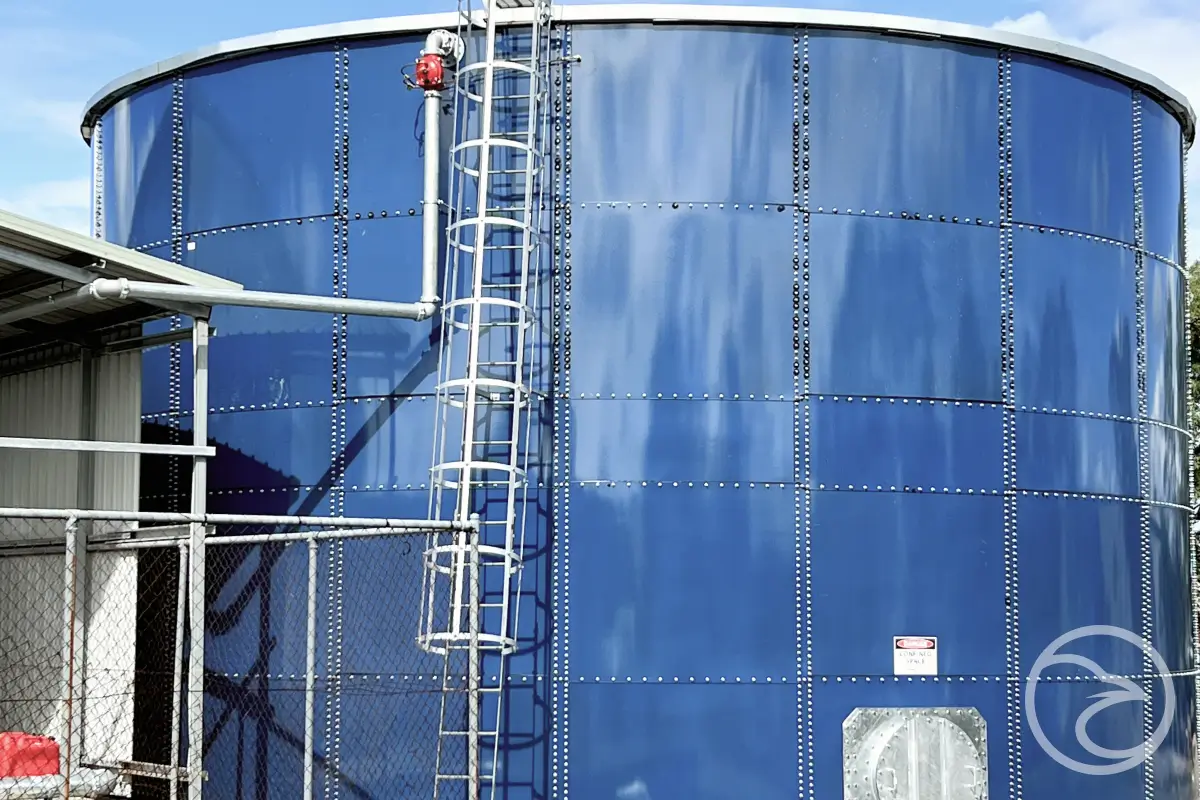
Water Tank Ladder Requirements
Water tank ladder requirements depend on the location, tank configuration, and applicable regulatory framework. There is no single specification that can be applied to every tank without further assessment.
Requirements may address ladder dimensions, structural attachment, clearances, platforms, and fall protection. Access control can also be relevant. For example, some sites need measures that prevent unauthorised people from climbing tank structures.
The surrounding working environment should also be considered. A technically sound ladder can still present problems when its approach area is obstructed. Transitions between ladders, platforms, roofs, and hatches require particular attention.
Users should be able to move between these components using the intended access route. Local regulations and applicable standards should be checked during design, installation, modification, and inspection.
Older tanks may have access arrangements installed under earlier requirements. Changes to the tank or surrounding site can also affect continued suitability.
For this reason, existing access systems should not be assumed compliant solely because they remain physically intact.
Tank Ladders for Inspection, Cleaning and Maintenance
Tank access ladders support several activities throughout a tank’s operating life. Inspection is one of the most common reasons for requiring reliable access. Inspectors may need to examine roof surfaces, hatches, connections, or other elevated components.
The ladder allows them to reach these locations using the designated access route. Cleaning can also require access to tank openings. A ladder for water tank cleaning may provide access to the hatch used during preparation or cleaning work.
Internal cleaning involves additional controls beyond the ladder itself. Maintenance personnel may also use the access system when checking or repairing roof-mounted components. The exact activities depend on the tank design.
A reliable ladder reduces dependence on temporary access equipment for routine activities. However, permanent installation does not eliminate the need for condition checks.
Access equipment experiences wear, environmental exposure, and structural loading throughout its life.
What Should be Checked During Tank Ladder Inspections?
Tank access ladders should be examined as part of appropriate maintenance and inspection activities. The assessment should consider the complete access route rather than only individual rungs. Visible corrosion is an obvious concern.
However, other forms of deterioration can also affect safe access.
Inspection points can include:
- damaged or missing rungs;
- loose structural connections;
- visible corrosion;
- coating deterioration;
- bent ladder sections;
- movement during use;
- damaged mounting points;
- unstable platforms;
- damaged guardrails;
- obstructed access routes;
- deteriorated fasteners;
- unsafe transitions between components.
Areas around ladder mounting points deserve particular attention. Movement or corrosion at these locations can affect both the ladder and supporting structure. Sectional tank ladders also have connections between individual sections.
These connections should remain secure and correctly aligned. Platforms require their own inspection. Flooring, supports, guardrails, gates, and connections can all deteriorate over time.
The surrounding tank structure should also be considered where access equipment is attached.
Corrosion and Environmental Exposure
Tank ladders can operate in demanding environments for many years. External ladders are continually exposed to weather. Moisture can collect around connections, fasteners, joints, and horizontal surfaces.
Coastal environments can introduce additional corrosion challenges. Industrial sites may also expose access systems to airborne contaminants. Internal tank ladders face a different environment.
Their exposure depends on stored water, internal humidity, condensation, and operating conditions. Material selection should account for these factors.
Protective coatings should also be monitored where they form part of the corrosion protection system. Small areas of deterioration can develop into larger problems when left unaddressed.
Routine observations can help identify visible changes before they become more extensive.
How Tank Design Influences Ladder Configuration
The tank itself determines many characteristics of the access system. Tank height is an obvious factor. Higher tanks require access arrangements suitable for greater vertical distances.
Roof configuration also matters. The ladder must lead to a useful and appropriate access location. If the main access hatch is positioned near the tank perimeter, a platform may connect the ladder to that opening.
Different arrangements may be needed when the hatch sits farther across the roof. Tank construction also affects ladder attachment. Bolted panel tanks, welded tanks, and GFS tanks have different structural characteristics.
Attachment methods should account for the specific tank design.Internal requirements can influence the configuration as well.
A tank requiring periodic internal inspection may need a dedicated entry arrangement. Site conditions are another factor. Nearby buildings, pipework, fences, or equipment can restrict available space around the tank.
Access design should consider these features rather than treating the tank as an isolated structure.
The Importance of Safe Transitions
Many access problems occur where one part of the system meets another. A user may need to move from a ladder onto a platform. They may then move from the platform to a roof or hatch.
Each transition changes body position and available handholds. The arrangement should therefore support controlled movement. Poorly positioned components can create unnecessary reaching or awkward movements.
Changes made after installation can also affect transitions. New pipes, cables, equipment, or roof components may obstruct previously clear areas.
For this reason, access should be considered whenever modifications are made around a tank.
Maintaining Tank Access Systems
Maintenance helps preserve the condition of ladders and associated access components. The appropriate maintenance schedule depends on materials, environment, usage, and site requirements.
Basic maintenance can include keeping access routes clear and monitoring visible deterioration. Fasteners and structural connections may require closer assessment where movement is observed. Protective surfaces should also be checked for damage.
Maintenance should cover connected platforms and guardrails rather than stopping at the ladder. Hatches should remain accessible through the intended route. Any significant damage should be assessed before continued use.
Temporary repairs should not create new hazards or interfere with existing safety features. Records can also help track recurring deterioration or previous repairs.
This information provides useful context during future inspections.
Understanding the Complete Tank Access System
Tank access ladders provide an important connection between ground level and areas requiring periodic attention. However, the ladder should not be considered separately from the wider access system.
Platforms, guardrails, access hatches, mounting points, and entry arrangements can all affect how the system functions. External and internal ladders also serve different purposes.
Material selection further influences durability and maintenance requirements. Tank design, height, roof configuration, and site conditions determine which access arrangement is appropriate.
Regular inspection helps identify corrosion, damage, movement, and other changes affecting the system. Understanding these elements provides a clearer picture of how safe tank access is planned and maintained.