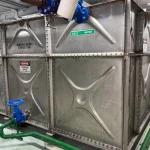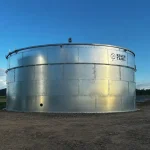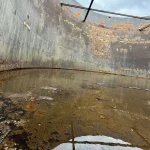

Stainless steel water tanks are designed to provide durable and reliable water storage. However, their actual service life can vary considerably between installations.
Material grade is important, but it is only one factor affecting tank longevity. Water chemistry, environmental exposure, fabrication quality, installation, maintenance, and tank design can all influence performance.
A tank operating indoors with controlled water chemistry may experience relatively mild conditions. Another tank may face chlorides, coastal air, industrial pollutants, high temperatures, or challenging water chemistry.
These differences can significantly affect service life. Understanding the factors behind stainless steel water tank lifespan helps owners manage tanks more effectively.
It can also help identify problems before they develop into significant damage. This guide explains tank lifespan, common problems, corrosion risks, maintenance, inspections, and ways to support long-term performance.
What is the Typical Lifespan of a Stainless Steel Water Tank?
There is no single lifespan that applies to every stainless steel water tank. A tank’s service life depends on its material, construction, environment, water quality, and maintenance history.
This makes a universal life expectancy difficult to provide. It is useful to distinguish between three related concepts.
Design life is the period considered during the engineering and specification process. Expected service life describes how long the tank may remain functional under anticipated operating conditions. Actual service life is how long the individual tank performs in its real environment.
These periods are not necessarily identical. A correctly specified tank can remain operational for many years under suitable conditions. Premature problems can develop when the material or design does not match the operating environment.
Regular inspection can help determine actual tank condition rather than relying on age alone.
For dependable long-term water storage, explore our stainless steel panel tanks for commercial and industrial applications.
Why can Stainless Steel Water Tanks Have a Long Service Life?
Stainless steel has several characteristics that support long-term water storage. One of the most important is its passive surface layer. Chromium within stainless steel reacts with oxygen and creates a thin protective layer on the surface.
This passive layer helps protect the underlying metal against many forms of corrosion. Stainless steel also offers substantial mechanical strength.
A correctly engineered tank can withstand significant water loads without requiring extremely thick structural sections.
Other characteristics supporting durability include:
- good general corrosion resistance;
- strong mechanical properties;
- resistance to many environmental conditions;
- smooth and non-porous surfaces;
- good temperature resistance;
- suitability for inspection and cleaning;
- recyclability at the end of service.
However, stainless steel is not indestructible. Its long-term performance depends on selecting and maintaining the material correctly.
What Affects the Lifespan of a Stainless Steel Water Tank?
Several factors can shorten or extend stainless steel tank service life. These factors often interact rather than affecting the tank independently.
Stainless Steel Grade
The selected stainless steel grade influences corrosion resistance. Grades 304 and 316 are commonly considered for water storage applications. Grade 304 provides good general corrosion resistance under suitable conditions.
Grade 316 contains molybdenum, providing additional resistance to certain forms of localised corrosion. This difference can become important where chloride exposure is higher.
However, using Grade 316 does not guarantee a particular lifespan. The grade must still match the complete operating environment.
Understanding 304 vs 316 stainless steel water tanks can help determine which grade better suits specific water chemistry and environmental conditions.
Water Chemistry
Stored water directly contacts the internal tank surfaces. Its chemistry can therefore have a significant effect on long-term performance.
Important characteristics can include:
- chloride concentration;
- pH;
- dissolved minerals;
- treatment chemicals;
- contaminants;
- salinity;
- oxygen conditions.
Water chemistry can also change over time. A tank originally specified for one water source may later receive water with different characteristics.
Changes in treatment processes can also alter the tank’s operating environment. Understanding the stored water is therefore important throughout the tank’s service life.
Water Temperature
Temperature can influence corrosion behaviour. Higher temperatures can increase the severity of certain corrosion processes under some conditions.
Temperature fluctuations may also affect seals, joints, and other tank components. The expected operating temperature should therefore be considered during tank specification.
Unexpected changes should also be investigated where they affect normal operating conditions.
Environmental Exposure
The outside of a tank can experience very different conditions from its internal surfaces. Outdoor tanks may face rain, humidity, airborne contaminants, and temperature changes. Coastal environments can expose stainless steel to airborne chlorides.
Industrial locations may introduce chemicals, fumes, dust, or other contaminants. These exposures can affect external tank surfaces even when the stored water is relatively non-aggressive.
Both internal and external environments should therefore be considered when assessing tank lifespan.
Tank Design
Tank design can influence how water, sediment, and contaminants behave inside the system. Poor drainage can leave water trapped in certain areas.
Crevices can create local conditions that differ from the main tank environment.
Other design concerns can include:
- inaccessible areas;
- sediment traps;
- difficult-to-clean surfaces;
- poorly drained sections;
- unnecessary crevices;
- unsuitable connections.
A well-designed tank should support inspection, drainage, cleaning, and routine maintenance.
Fabrication and Welding Quality
Stainless steel requires appropriate fabrication practices. Poor fabrication can reduce corrosion resistance or introduce defects. Weld quality is particularly important.
Heat generated during welding can alter the condition of surrounding stainless steel surfaces. Suitable welding and finishing procedures help restore appropriate surface conditions.
Fabrication should also prevent contamination from carbon steel and unsuitable tools.
Installation Quality
Damage can occur before a tank even begins operating. Incorrect handling may scratch surfaces or introduce contamination.
Poorly installed supports can create unnecessary stresses. Connections should not impose unsuitable loads on tank walls or fittings.
Installation should also preserve sufficient access for future inspections. A well-manufactured tank can still experience problems when installation practices are unsuitable.
Explore common stainless steel water tank applications to understand how storage requirements differ across industries and operating environments.
Inspection and Maintenance
Regular inspection helps identify deterioration while problems remain manageable. Maintenance can also reduce sediment, contamination, and other conditions affecting tank performance.
Ignoring small defects can allow them to become more significant. Long service life therefore depends partly on how the tank is managed after installation.
Can Stainless Steel Water Tanks Corrode?
Yes. Stainless steel can corrode under unsuitable conditions. The term “stainless” describes strong corrosion resistance rather than complete corrosion immunity. The protective passive layer normally limits corrosion across the surface.
However, certain conditions can damage or destabilise this protection. Chlorides are particularly important for many water storage systems.
They can contribute to localised corrosion under suitable environmental conditions.
Corrosion risks can also increase because of:
- unsuitable water chemistry;
- high temperatures;
- surface contamination;
- deposits;
- crevices;
- incompatible chemicals;
- poor fabrication;
- unsuitable welding practices.
Corrosion can sometimes remain highly localised. Most of the tank surface may look normal while a small area experiences significant deterioration.
This makes appropriate inspection particularly important.
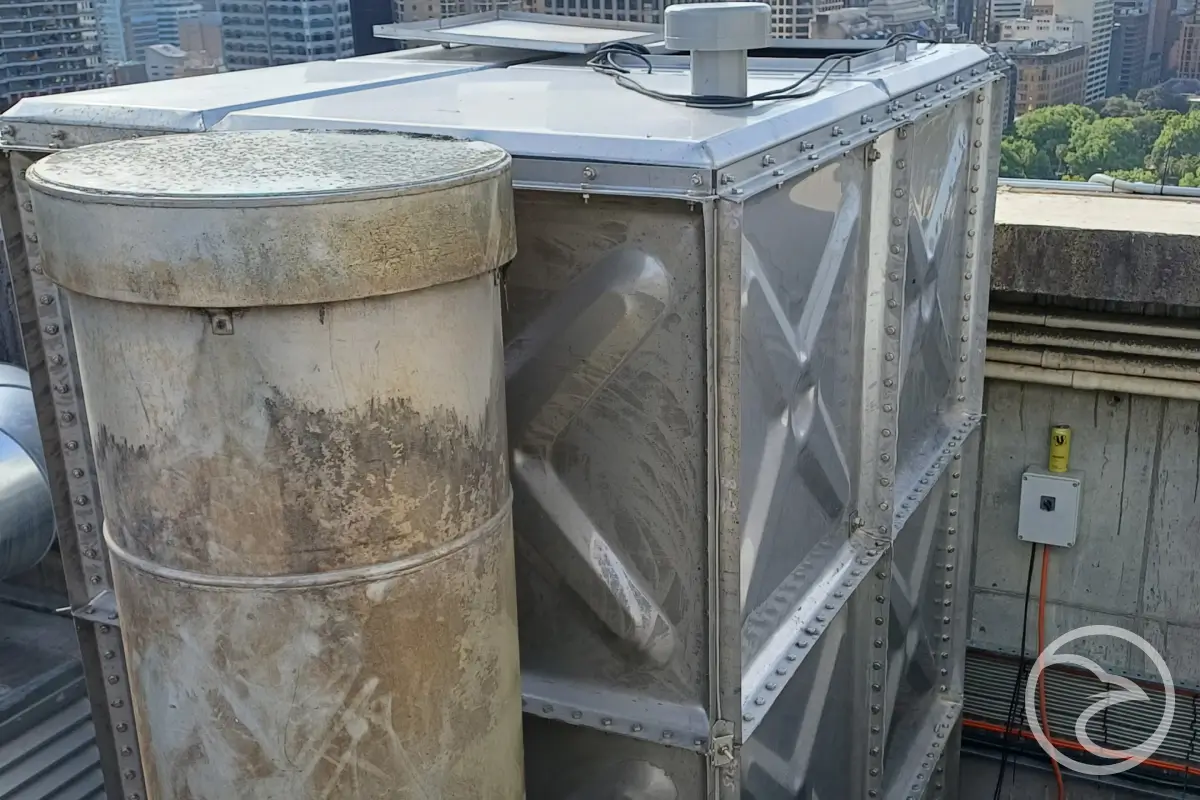
Common Types of Corrosion in Stainless Steel Water Tanks
Different corrosion mechanisms can affect stainless steel tanks. Understanding them helps explain why corrosion does not always appear as uniform rust across a surface.
Pitting Corrosion
Pitting creates small areas of highly localised corrosion. A pit may appear minor at the surface while penetrating further into the material.
Chloride exposure can increase the risk of pitting. Temperature, water chemistry, and stainless steel grade also influence susceptibility.
Pitting deserves attention because significant local damage can occur without widespread visible corrosion.
Crevice Corrosion
Crevice corrosion occurs within narrow or shielded areas. These locations can develop chemical conditions different from the surrounding water.
Potential areas include:
- joints;
- seals;
- deposits;
- overlapping components;
- narrow gaps;
- poorly drained areas.
Appropriate tank design can reduce unnecessary crevices and stagnant locations.
Galvanic Corrosion
Galvanic corrosion can occur when dissimilar metals are electrically connected in the presence of an electrolyte. Water can provide the necessary conductive environment.
Material compatibility should therefore be considered across the complete tank system. Connections, fasteners, fittings, and attached equipment can all matter.
Surface Contamination
Stainless steel surfaces can become contaminated during fabrication, transport, installation, or maintenance. Carbon steel particles are one possible source.
These particles can rust and create visible staining. Surface contamination can also affect local corrosion conditions.
Tools and equipment used with stainless steel should therefore follow appropriate handling practices.
Corrosion Around Welds
Welded areas can require particular attention. Heat tint and other surface changes can reduce local corrosion resistance when not properly managed.
Poor welding can also create defects or crevices. Suitable welding, finishing, and post-fabrication practices help support long-term performance.
Common Stainless Steel Water Tank Problems
Corrosion is not the only issue that can affect tank service life. Mechanical components, seals, fittings, and water quality can also create problems.
Leaks
Leaks can develop around joints, seals, fittings, or damaged areas. A small leak should not automatically be considered harmless.
Persistent leakage can indicate deterioration or create problems around supporting structures. The source should be identified before deciding on corrective action.
Seal Deterioration
Tank seals can age differently from stainless steel components. Temperature, chemicals, movement, and normal material ageing can affect seal performance.
Regular inspection should therefore include sealing systems.
Sediment Accumulation
Sediment can settle on the bottom of a water tank. Accumulation may affect water quality and create local conditions beneath deposits.
The amount of sediment depends on the water source and operating system. Appropriate cleaning can help control excessive accumulation.
Damaged Fittings
Inlets, outlets, overflows, drains, and other fittings are important parts of the tank system. Damage or deterioration can affect tank operation.
Connections should be inspected for leakage, corrosion, movement, and other visible defects.
Weld Defects
Welds can experience problems because of fabrication defects, stress, corrosion, or physical damage. Visible changes around welded areas should be investigated.
Physical Damage
Impacts, movement, or inappropriate loads can damage tank components. External damage can also occur during nearby construction or maintenance activities.
Dents and deformation should be assessed where they could affect structural performance.
Water Quality Problems
Not every tank problem begins with the tank structure. Poor water turnover, contamination, sediment, or unsuitable storage conditions can affect stored water.
Water quality changes may indicate a need to inspect the complete storage system.
Warning Signs that a Stainless Steel Tank Needs Attention
Tank problems are often easier to manage when identified early. Visible changes should therefore not be ignored.
Possible warning signs include:
- rust-coloured staining;
- local discolouration;
- visible pits;
- unusual surface deposits;
- water leakage;
- damaged or deteriorated seals;
- deformation;
- changes around welds;
- damaged fittings;
- excessive sediment;
- unexplained changes in water quality.
Rust staining does not automatically mean the stainless steel structure is failing. Some staining may originate from external contamination or other metal components.
However, the cause should be established rather than assumed. Similarly, a small visible pit can require more attention than a larger superficial stain.
Inspection should consider the type and depth of deterioration.
How Maintenance Affects Stainless Steel Water Tank Lifespan
Maintenance plays an important role in long-term tank performance. A stainless steel tank may require relatively limited maintenance, but it is not maintenance-free.
Routine maintenance helps identify and control conditions that could contribute to deterioration.
Typical activities can include:
- inspecting internal surfaces;
- inspecting external surfaces;
- checking welds;
- checking seals and joints;
- examining fittings;
- monitoring corrosion;
- removing excessive sediment;
- cleaning when required;
- checking drainage;
- checking access components.
Cleaning methods should be compatible with stainless steel. Aggressive chemicals or unsuitable tools can damage surfaces rather than protect them.
Maintenance records can also provide useful information. Changes between inspections can reveal whether a problem is stable or progressing.
This information can support better repair and replacement decisions.
How Often Should Stainless Steel Water Tanks be Inspected?
There is no universal inspection interval suitable for every stainless steel water tank. Inspection frequency should reflect the tank’s application and operating environment.
Factors influencing the schedule can include:
- type of stored water;
- applicable standards;
- tank age;
- operating conditions;
- environmental exposure;
- previous inspection findings;
- maintenance history;
- manufacturer requirements;
- consequences of tank failure.
A tank operating in demanding conditions may require closer monitoring. Previous corrosion or leakage can also justify more frequent inspection.
Critical water storage systems may have specific regulatory or operational inspection requirements. The inspection schedule should follow applicable standards and project requirements.
How can You Extend the Life of a Stainless Steel Water Tank?
Long-term performance begins before the tank is installed. Correct specification can prevent many problems that maintenance alone cannot solve.
Several practices can support tank longevity.
Select the Correct Stainless Steel Grade
The grade should match water chemistry and environmental exposure. A more aggressive environment may require greater corrosion resistance.
Understand Water Chemistry
Water characteristics should be known before material selection. Significant changes in water source or treatment should also be considered during operation.
Use Appropriate Fabrication Practices
Fabrication should preserve stainless steel surface quality. Suitable welding, finishing, handling, and contamination controls are important.
Prevent Cross-Contamination
Tools or particles from carbon steel can contaminate stainless steel surfaces. Appropriate workshop and site practices help reduce this risk.
Control Sediment
Excessive sediment should not be allowed to accumulate indefinitely. Inspection and cleaning can help identify and manage deposits.
Use Compatible Cleaning Methods
Cleaning chemicals and tools should be appropriate for stainless steel. More aggressive cleaning does not necessarily produce better results.
Maintain Suitable Inspection Access
Tank components should remain accessible after installation. Poor access can make routine inspection difficult and allow problems to remain hidden.
Address Problems Early
Small leaks, localised corrosion, or damaged seals should be investigated promptly. Early intervention can prevent minor defects from becoming more extensive.
Can Stainless Steel Water Tanks be Repaired?
Some stainless steel water tank problems can be repaired. The appropriate solution depends on the type, location, and extent of damage.
Possible repairs may involve:
- replacing seals;
- repairing connections;
- replacing damaged components;
- addressing localised leaks;
- repairing suitable welded areas;
- replacing affected tank panels.
However, repairs should address the underlying cause. Repairing a corroded area without understanding why corrosion developed may only provide a temporary solution.
For example, repeated corrosion may indicate unsuitable material selection or persistent chemical exposure. The tank should therefore be assessed before deciding on a repair strategy.
When Should a Stainless Steel Water Tank be Replaced?
Age alone does not determine when a stainless steel water tank requires replacement. Condition is usually more important. An older tank in good condition may remain suitable for continued service.
A younger tank exposed to unsuitable conditions may develop significant problems much earlier.
Replacement may need consideration when there is:
- extensive corrosion;
- significant structural deterioration;
- repeated leakage;
- widespread component failure;
- unacceptable contamination risks;
- recurring repairs;
- serious deformation;
- inability to meet current requirements.
Repair feasibility should also be considered. Localised problems may be practical to repair.
Extensive deterioration can make replacement more appropriate. A qualified assessment can help determine the remaining condition and suitable corrective action.
Does Grade 316 Last Longer than Grade 304?
Grade 316 does not automatically have a longer service life than Grade 304. Its main advantage is greater resistance to certain forms of corrosion. This is particularly important in chloride-containing environments.
A correctly specified Grade 304 tank can provide long-term performance under suitable conditions. A poorly designed Grade 316 tank can still develop problems.
Service life depends on the interaction between material and environment.
Important factors include:
- water chemistry;
- chloride exposure;
- temperature;
- tank design;
- fabrication;
- installation;
- maintenance;
- external conditions.
The correct grade is therefore the grade suited to the actual application. Selecting Grade 316 purely because it is considered superior may not always provide a meaningful advantage.
Does Tank Location Affect Service Life?
Yes. Location can significantly affect tank exposure. Indoor tanks are generally protected from rain and direct outdoor contaminants. However, they can still face humidity, condensation, chemicals, or aggressive stored water.
Outdoor tanks experience additional environmental conditions. Coastal locations can expose surfaces to salt-containing air. Industrial areas may expose tanks to pollutants or chemicals.
The area immediately surrounding the tank also matters. Poor ventilation, persistent moisture, chemical storage, or difficult cleaning access can influence long-term conditions.
Location should therefore be considered during both initial specification and ongoing inspection.
For a broader overview of tank types, specifications, benefits, and selection factors, read our stainless steel water tanks guide.
Managing Stainless Steel Water Tanks for Long-Term Performance
A long service life depends on more than choosing stainless steel. The material must be appropriate for the water, environment, and operating conditions.
Grade selection is an important starting point. Water chemistry, chloride exposure, temperature, fabrication, installation, and tank design can then influence actual performance.
Regular inspection provides another important layer of protection. It can identify corrosion, leaks, deposits, seal deterioration, and physical damage before problems become more serious.
Maintenance should focus on actual tank conditions rather than age alone. Cleaning, sediment control, compatible chemicals, and timely repairs can all support continued operation.
Stainless steel remains highly corrosion resistant, but no grade is completely immune to deterioration. Understanding potential problems helps owners manage tanks based on condition rather than assumptions.
A correctly specified and properly maintained stainless steel water tank can provide reliable water storage for many years.