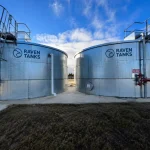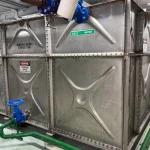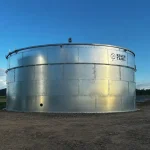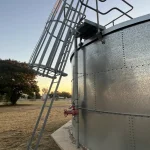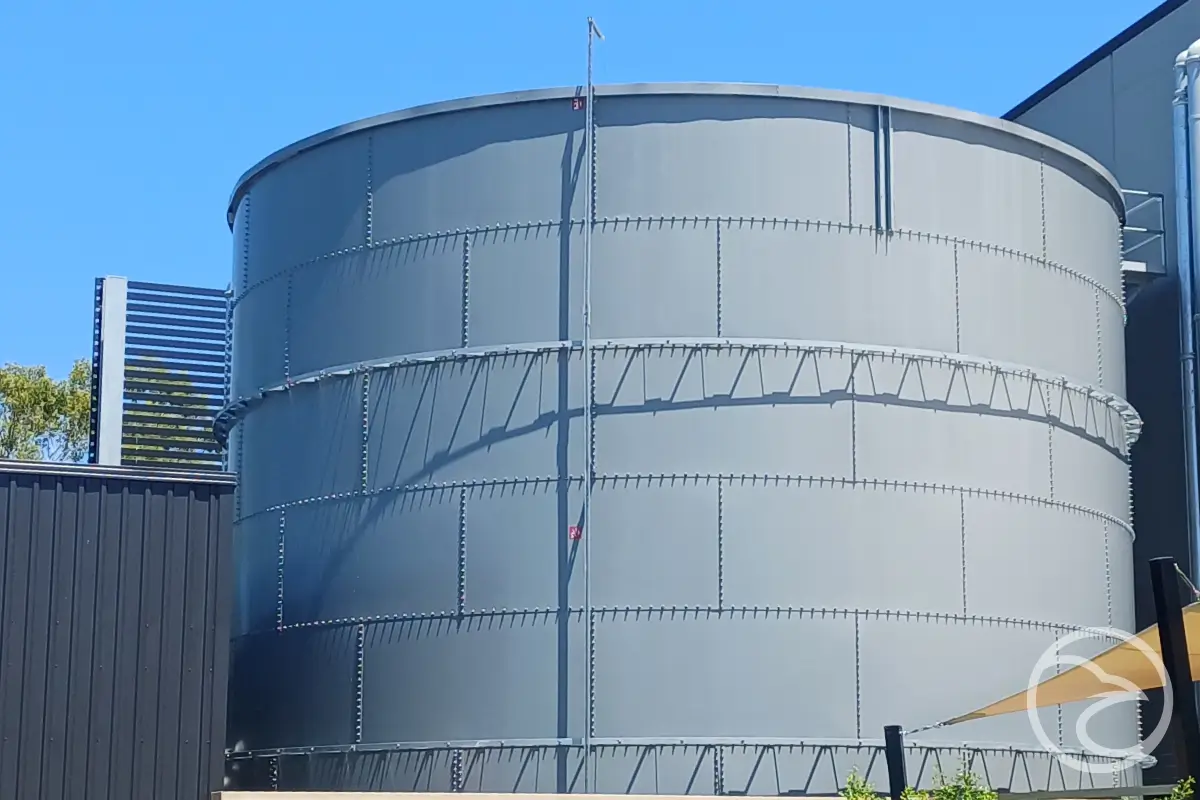

Modular water tanks provide a flexible approach to storing water across commercial, industrial, agricultural, and infrastructure projects. Unlike conventional one-piece tanks, these systems consist of individual panels assembled into a complete storage structure.
Their modular design allows engineers to create different tank dimensions, capacities, and configurations based on project requirements.
But how do modular water tanks work, and what makes their construction different from traditional storage systems?
These tanks rely on interconnected panels, engineered connections, structural supports, and suitable water containment systems. Each component contributes to the tank’s stability, performance, and ability to retain stored water.
Understanding their construction helps explain how modular tanks manage water pressure, accommodate different site conditions, and support reliable storage.
This guide explores the working principles, main components, assembly process, and structural considerations of modular panel tank systems.
What is a Modular Water Tank System?
A modular water tank system consists of prefabricated components assembled into a complete water storage structure. Instead of manufacturing the entire tank as one unit, manufacturers produce individual panels designed for connection during installation.
These panels form the tank walls and, depending on the design, other structural sections. The completed structure contains water through sealed joints, an internal liner, or another engineered containment method.
Modular construction allows tank dimensions to be adjusted by selecting suitable panel arrangements. However, the final configuration must satisfy structural, hydraulic, and site-specific engineering requirements.
The design of modular panel tanks allows individual components to be transported separately and assembled into a complete storage system.
What Makes a Water Tank Modular?
The defining characteristic of a modular tank is its sectional construction. Individual components can be transported separately and assembled at the installation location.
This differs from conventional prefabricated tanks delivered as complete structures.
Common features include:
-
Prefabricated panels: Manufactured sections form the tank walls and structural framework.
-
Mechanical connections: Bolts and engineered joints secure adjacent components.
-
Flexible configurations: Panel arrangements accommodate different dimensions and capacities.
-
Water containment systems: Liners or sealed joints prevent uncontrolled water leakage.
-
Structural reinforcement: Supports and connections resist pressure from stored water.
Modular construction can be particularly useful where access restrictions complicate the delivery of large, fully assembled tanks.
How do Modular Water Tanks Work?
Modular water tanks operate by combining structural support with a watertight containment system. Their primary function is straightforward: safely retain a specified volume of water under expected operating conditions.
However, several engineering principles determine how the complete system performs.
1. Panels Form the Tank Structure
Prefabricated panels are positioned and connected to create the tank walls. The arrangement determines the overall shape and dimensions of the structure.
Panels must withstand loads generated by stored water and other applicable design conditions. Depending on the system, panels may be manufactured from galvanised steel, stainless steel, or other engineered materials.
Material selection influences corrosion resistance, structural properties, and compatibility with the intended application.
2. Connections Transfer Structural Loads
Bolted connections secure neighbouring panels and help maintain the tank’s structural integrity. Water pressure generates forces that must be transferred through panels, fasteners, and supporting components.
Connection design is therefore an essential part of the overall engineering system. Incorrect assembly or unsuitable components can compromise structural performance.
3. A Containment System Retains Water
The tank must prevent uncontrolled leakage through walls, joints, and fittings. Some modular tanks use internal liners that separate stored water from the structural panels.
Other designs rely on engineered seals and watertight panel connections. The appropriate method depends on the tank material, stored liquid, and manufacturer specifications.
4. The Foundation Supports the Structure
A suitable foundation distributes the weight of the tank and its contents. Water is heavy, so storage capacity creates substantial structural loading.
For reference, one cubic metre of freshwater has a mass of approximately 1,000 kilograms. A tank containing 100 cubic metres of freshwater therefore holds approximately 100 tonnes of water.
This excludes the weight of the tank structure and additional equipment. Foundation design must account for these loads and local ground conditions.
5. Fittings Control Water Movement
Inlets, outlets, overflow systems, and other fittings allow water to enter and leave the tank. Their arrangement depends on the intended storage application.
Some systems also incorporate level monitoring, drainage connections, and additional operational equipment. Together, these components allow the modular tank to function as part of a larger water storage system.
What are the Main Components of Modular Panel Tanks?
Each component of a modular panel tank performs a specific function. Understanding these components helps explain how the complete structure achieves stability and water containment.
Modular Tank Panels
Panels form the primary walls of the storage structure. They are manufactured in standardised or system-specific dimensions.
Panel thickness, profile, and material depend on structural requirements. Some designs use pressed or reinforced panel profiles to improve resistance to water pressure.
The required specifications depend on tank height, loading conditions, and engineering calculations.
Bolts and Fasteners
Bolts connect adjacent panels and transfer forces through the structure. Their dimensions, strength, protective coatings, and installation requirements are determined by the tank design.
Fastener compatibility is important because unsuitable materials may introduce corrosion or structural concerns. Correct assembly procedures help maintain the intended connection performance.
Tank Liners and Sealing Systems
Water containment systems prevent leakage through the tank structure. Internal liners create a continuous barrier between stored water and structural components.
Alternatively, some designs use sealing materials around panel connections. The selected system must suit the stored liquid and expected operating conditions.
Roof Structures
Some modular water tanks incorporate roofs to protect stored water from external contamination. Roof design depends on tank dimensions, application, and environmental requirements.
Potential components include roof panels, supporting members, access openings, and ventilation arrangements. The roof must withstand relevant loads, including wind and maintenance loads where applicable.
Structural Supports
Certain modular tank designs require additional reinforcement. This may include bracing, tie rods, external supports, or other engineered components.
Their purpose is to resist structural forces and maintain the tank’s intended shape. Support arrangements vary between manufacturers and tank configurations.
Inlets, Outlets, and Overflow Connections
Hydraulic fittings connect the tank to surrounding water systems.
Common components include:
-
Water inlet connections
-
Outlet pipework
-
Overflow arrangements
-
Drainage connections
-
Level monitoring equipment
-
Access openings
-
Ventilation components
Not every installation requires the same fittings. Their selection depends on the intended use and applicable design requirements.
How are Modular Water Tanks Assembled?
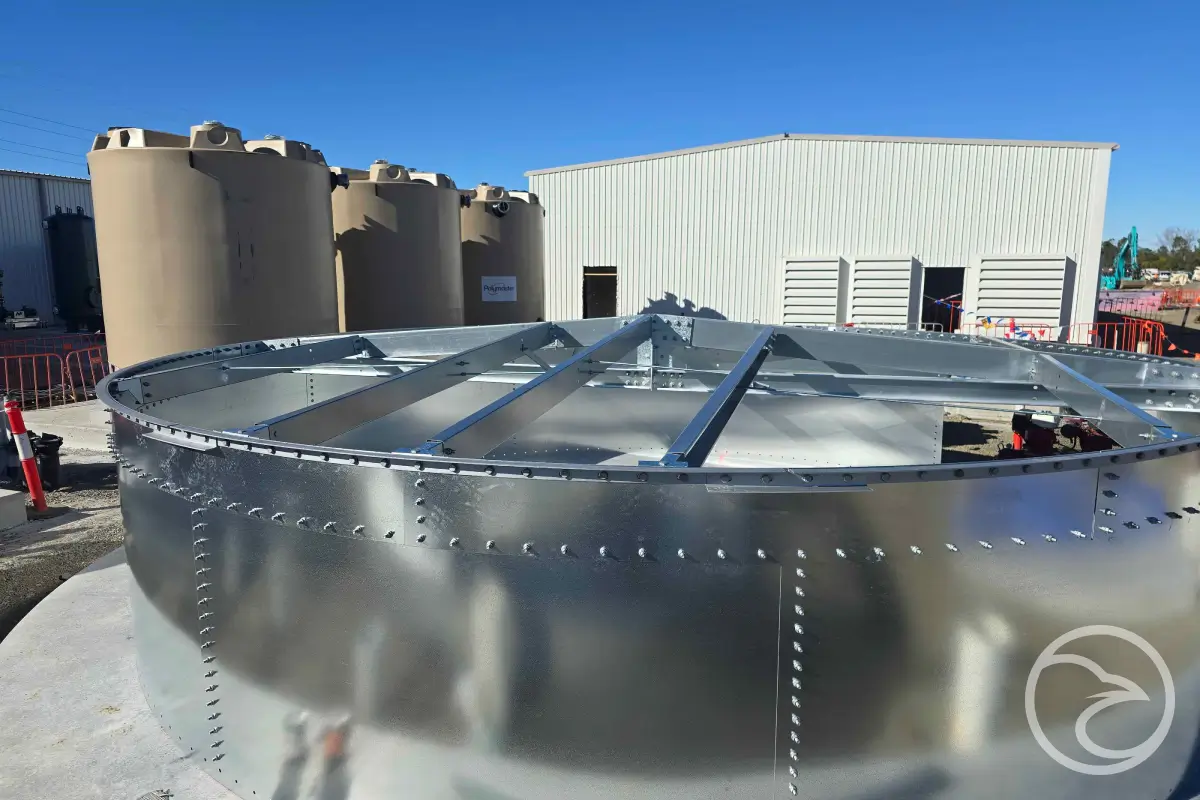
Modular tank assembly involves connecting prefabricated components according to an engineered installation plan. The exact procedure varies between manufacturers and tank systems.
However, most installations follow several general stages.
Step 1: Site Preparation
Installation begins with preparing the designated tank location. The site must provide suitable access and support the planned structure.
Ground conditions, drainage, and surrounding infrastructure influence preparation requirements. Engineers may specify concrete foundations or other suitable support systems.
Step 2: Foundation Verification
The foundation must meet the tank’s structural and dimensional requirements. Installers verify relevant measurements, levels, and support conditions before assembly.
An unsuitable foundation can introduce additional stresses into the completed tank. Foundation issues should be resolved before structural installation proceeds.
Step 3: Panel Positioning
Prefabricated panels are arranged according to the approved design. Their orientation and placement determine the tank’s final configuration.
Accurate positioning helps maintain alignment between adjoining sections. Handling procedures must also protect panels from unnecessary mechanical damage.
Step 4: Structural Assembly
Panels are connected using the specified fastening system. Depending on the design, additional supports or reinforcement components are installed during assembly.
Connection procedures must follow manufacturer requirements. Incorrect fastening can affect load distribution and joint performance.
Step 5: Water Containment Installation
The containment system is installed according to the tank design. For lined tanks, this may involve positioning and securing an internal membrane.
Other systems require sealing materials around panel joints. Special attention is necessary around fittings, penetrations, and connection points.
Step 6: Fittings and Roof Installation
Inlets, outlets, overflow systems, and other required components are connected. Roof structures may also be installed during this stage.
All components must match the approved engineering design.
Step 7: Testing and Commissioning
The completed tank undergoes appropriate checks before entering normal operation. Testing requirements depend on the tank’s application and relevant specifications.
Checks may include structural observations, connection verification, and controlled water filling. Leakage or unusual deformation requires investigation before commissioning is completed.
Can Modular Water Tanks be Expanded or Reconfigured?
Modular construction provides flexibility in tank dimensions and configurations. However, this does not mean every existing modular tank can be expanded without substantial modification.
Expansion feasibility depends on the original design, available space, and structural requirements.
Increasing Storage Capacity
Some modular systems allow capacity adjustments through alternative panel arrangements. This flexibility is particularly useful during the initial design stage.
Future expansion may also be possible when the original system supports it. However, changes to an existing tank require engineering assessment.
Additional panels can alter structural loads, foundation requirements, and hydraulic connections.
Changing Tank Dimensions
Modular construction allows different combinations of panel dimensions. This can help accommodate restricted installation areas.
For example, a project may require a relatively narrow tank because surrounding infrastructure limits available space. Engineers can assess whether an alternative configuration provides the required storage volume.
Understanding Expansion Limitations
Several factors can restrict expansion.
These include:
-
Existing foundation capacity
-
Panel compatibility
-
Structural connection requirements
-
Available installation space
-
Tank height limitations
-
Roof configuration
-
Hydraulic system capacity
-
Applicable engineering requirements
A modular design provides configuration flexibility, but every arrangement must remain structurally suitable.
How do Modular Tank Liners Prevent Water Leakage?
Some modular water storage tanks use flexible internal liners to create a watertight barrier. The liner separates stored water from the structural shell.
This arrangement allows the external panels to provide structural support while the liner retains water.
Creating a Continuous Water Barrier
A properly designed liner forms a continuous containment surface inside the tank. It must accommodate the tank’s dimensions and expected operating conditions.
Liner seams, attachment points, and penetrations require suitable detailing. The material must also be compatible with the stored water.
Protecting Structural Components
An internal liner can reduce direct water contact with structural panels. This may help manage corrosion exposure in certain tank designs.
However, liner performance depends on material suitability and installation quality. Damage or leakage can compromise the intended separation between water and the structure.
Choosing Suitable Liner Materials
Liner selection depends on several factors.
These include:
-
Water chemistry
-
Storage temperature
-
Intended application
-
Material compatibility
-
Expected mechanical stresses
-
Relevant water quality requirements
For potable water storage, materials may need to meet applicable drinking water contact requirements. In Australia, AS/NZS 4020 is relevant to testing products for use in contact with drinking water.
In many modular water storage systems, tank liners provide a watertight barrier that separates stored water from structural components.
What Factors Influence Modular Water Tank Performance?
The performance of a modular water tank depends on more than its panel construction. Several design and operating factors influence reliability.
Panel Material
Different materials provide different structural and corrosion resistance properties. Galvanised steel is commonly used where strength and protective zinc coatings are required.
Stainless steel and other engineered materials may suit different operating conditions. Material selection should reflect the intended application.
Tank Dimensions
Height, width, length, and overall geometry influence structural loading. A change in tank dimensions can alter pressure distribution and support requirements.
Capacity calculations must therefore align with engineering design.
Understanding water storage tank dimensions helps engineers determine suitable configurations based on available space and required storage capacity.
Foundation Conditions
The foundation supports the weight of the structure and stored water. Uneven settlement can introduce additional stresses into panels and connections.
Foundation design must reflect site-specific ground conditions.
Environmental Exposure
Wind, temperature changes, moisture, and corrosive atmospheres can affect tank components. Coastal and industrial environments may require additional material considerations.
Environmental loads must also be incorporated into structural design.
Water Characteristics
Stored water quality can influence the suitability of materials and containment systems. Temperature, chemical composition, and intended use may affect component selection.
A tank designed for ordinary water storage may not suit aggressive industrial liquids.
How are Modular Water Tanks Different from Traditional Tanks?
Modular tanks and conventional one-piece tanks use different construction approaches. Both can provide reliable storage when appropriately designed.
However, their transportation, installation, and configuration requirements may differ.
| Feature | Modular water tanks | Traditional one-piece tanks |
|---|---|---|
| Construction | Assembled from separate components | Manufactured as a complete unit |
| Transportation | Components transported individually | Complete tank transported to site |
| Site access | May suit restricted access locations | Requires access for the complete structure |
| Configuration | Multiple engineered arrangements may be available | Usually limited to manufactured dimensions |
| Installation | Requires on-site structural assembly | Usually requires positioning and connections |
| Capacity changes | May be possible with engineering approval | Often requires additional storage units |
| Water containment | Liners or engineered sealed joints | Depends on tank material and construction |
The appropriate solution depends on project requirements. Transport access, available space, storage volume, and structural conditions all influence selection.
Modular construction can provide useful flexibility, but it also requires accurate assembly and connection procedures.
The modular construction of square and rectangular panel tanks provides flexibility when designing water storage systems for restricted spaces.
What are the Common Applications of Modular Water Tank Systems?
Modular tank systems can support different water storage requirements. Their sectional construction allows engineers to design suitable configurations for various installations.
Commercial Water Storage
Commercial properties may require tanks for operational water storage, rainwater collection, or other building services.
Available installation space can influence tank configuration. Modular construction may help accommodate particular site restrictions.
Industrial Water Storage
Industrial facilities use water for various operational processes. Storage requirements depend on water quality, volume, and system design.
Modular tanks may form part of larger industrial water management systems.
The modular construction of industrial panel tanks allows storage systems to accommodate different capacities and industrial site requirements.
Fire Protection Water Storage
Some fire protection systems require dedicated water storage. Tank design must reflect the applicable fire protection requirements and engineering specifications.
Modular systems may be considered where their configuration suits the installation.
Agricultural Water Storage
Agricultural operations may require water for irrigation, livestock, or general property use. Storage capacity and water availability influence system design.
Modular tanks can provide alternative configurations for suitable agricultural applications.
Rainwater Storage
Modular rainwater tanks can collect and store water from connected harvesting systems. The complete system may include filtration, overflow management, and distribution equipment.
Tank sizing depends on rainfall, catchment area, demand, and intended use.
Final Thoughts
Modular water tanks combine prefabricated panels, structural connections, and engineered containment systems to provide flexible water storage.
Their design allows different configurations while maintaining the structural support needed to withstand stored water pressure. Panels, fasteners, liners, foundations, and hydraulic fittings all contribute to overall performance.
Understanding how these components work together helps explain the practical characteristics of modular construction.
Successful tank performance ultimately depends on suitable engineering, material selection, installation quality, and operating conditions.