
Water storage tanks are designed to provide reliable service for many years. However, how long do water tanks last depends on their materials, construction quality, operating conditions, and maintenance.
Some tanks may develop serious deterioration within 10–15 years. Others can remain serviceable for several decades. Steel, concrete, stainless steel, GRP, and polyethylene tanks all have different ageing characteristics.
Environmental exposure, water chemistry, structural loading, and protective coatings also influence their durability. A well-maintained tank may remain operational beyond its expected service life. Another tank may require replacement much earlier.
The actual condition of a water tank is more important than its age alone. This guide compares water tank lifespans by material and explains the factors affecting long-term durability.
It also covers deterioration, remaining service life, and when repairs may be preferable to replacement.
What is the Average Lifespan of a Water Tank?
A water tank can last from approximately 10 years to several decades. However, there is no universal lifespan that applies to every tank. The expected service life depends on the material, tank design, installation quality, and operating environment.
For example, a concrete tank may remain serviceable for 30–50 years or longer under suitable conditions. A well-maintained stainless steel or galvanised steel tank may also provide decades of service.
However, aggressive water chemistry, corrosion, or structural damage can significantly shorten these periods.
Water Tank Lifespan Comparison
|
Tank material |
General lifespan outlook |
Main deterioration risks |
|---|---|---|
|
Galvanised steel |
Potentially several decades |
Zinc coating deterioration, corrosion, damaged joints |
|
Stainless steel |
Potentially many decades |
Localised corrosion, unsuitable material grade, weld deterioration |
|
Concrete |
Approximately 30–50 years or longer under suitable conditions |
Cracking, reinforcement corrosion, waterproofing failure |
|
GRP / Fibreglass |
Long-term service with suitable design and maintenance |
UV exposure, cracking, panel damage, joint deterioration |
|
Polyethylene |
Many years, depending on product specifications |
UV degradation, deformation, cracking |
|
Coated steel |
Potentially several decades |
Coating failure, corrosion, structural deterioration |
These are general indications, not guaranteed replacement intervals. Actual service life must be assessed against tank condition and specifications. The most reliable lifespan estimates come from manufacturer documentation and professional condition assessments.
Tanks made from identical materials can deteriorate at very different rates.
Water Tank Lifespan by Material
Tank material is one of the most important factors influencing water tank life expectancy. Each material offers different benefits and requires specific protection against deterioration.
Understanding these differences helps facility managers plan long-term maintenance and replacement budgets.
1. Galvanised Steel Water Tank Lifespan
Galvanised steel tanks use a protective zinc coating to reduce corrosion of the underlying steel. Hot-dip galvanising provides additional protection against moisture exposure in many water storage applications.
With suitable installation and maintenance, galvanised steel tanks can remain operational for several decades. However, their lifespan depends heavily on the condition of the zinc coating.
What Reduces Galvanised Steel Tank Lifespan?
Common factors include:
-
Deterioration of protective zinc coatings.
-
Aggressive water chemistry.
-
Coastal or industrial exposure.
-
Corrosion around joints and fasteners.
-
Damaged protective liners.
-
Poor drainage around the tank.
-
Delayed repairs.
Once protective coatings deteriorate, exposed steel may begin corroding. Localised corrosion can eventually affect panel strength or water containment.
Understanding the galvanised steel tank lifespan helps facility managers plan maintenance and assess long-term water storage costs.
How to Improve Durability
Inspect coatings, panel connections, and exposed steel surfaces. Repair damaged protective systems before corrosion becomes extensive.
Where appropriate, internal liners can provide additional separation between stored water and steel surfaces.
2. Stainless Steel Water Tank Lifespan
Stainless steel water tanks offer strong corrosion resistance and long-term durability. They are commonly used where water quality, hygiene, and structural reliability are important.
A properly designed stainless steel tank can remain operational for many decades. However, stainless steel is not completely resistant to corrosion.
What Affects Stainless Steel Durability?
Important factors include:
-
Stainless steel grade.
-
Chloride concentration.
-
Water chemistry.
-
Fabrication quality.
-
Weld condition.
-
Environmental exposure.
-
Cleaning practices.
Certain water conditions can contribute to pitting or crevice corrosion. Poorly selected materials may deteriorate faster than expected.
How to Improve Durability
Select stainless steel grades appropriate for the stored water and surrounding environment. Inspect welds, joints, and connections for localised deterioration.
Avoid incompatible cleaning chemicals and unsuitable maintenance methods. Correct material selection is especially important for coastal and industrial applications.
3. Concrete Water Tank Lifespan
Concrete water tanks are widely used for large commercial, industrial, and municipal storage systems. Their strength and durability make them suitable for long-term infrastructure.
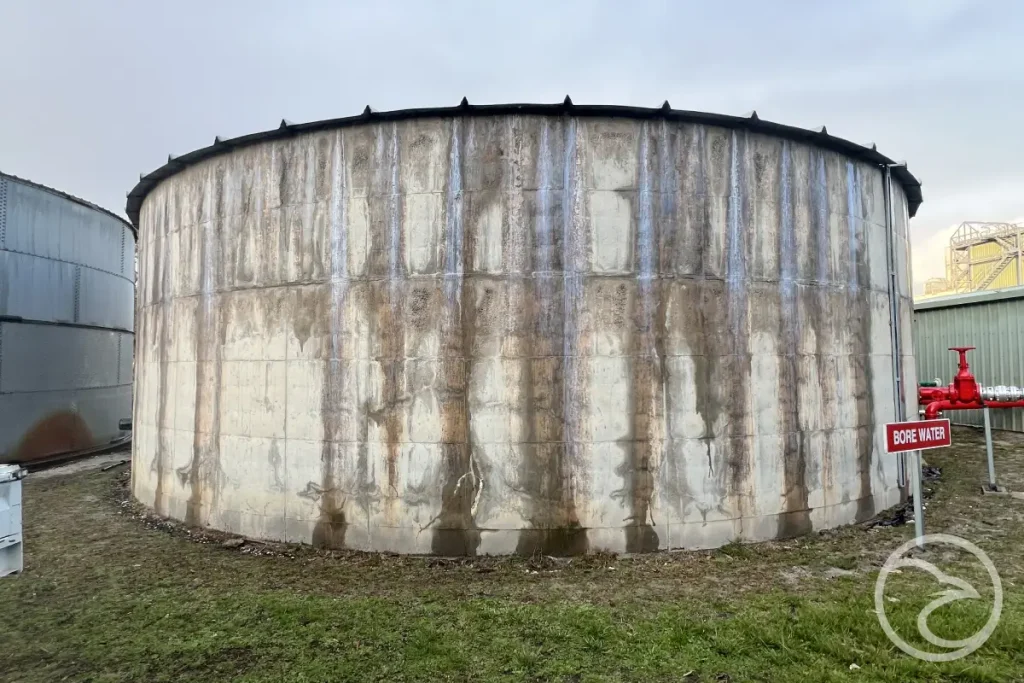
A properly designed concrete water tank may remain operational for 30–50 years or longer. However, actual service life depends on construction quality, reinforcement protection, waterproofing, and environmental conditions.
What Causes Concrete Tanks to Deteriorate?
Common problems include:
-
Cracking.
-
Reinforcement corrosion.
-
Water penetration.
-
Deteriorated joints.
-
Foundation movement.
-
Chemical exposure.
-
Waterproofing failure.
Small cracks do not always indicate structural failure. However, they may allow moisture to reach reinforcement or other vulnerable areas.
Over time, this can contribute to further deterioration.
How to Improve Concrete Tank Lifespan
Monitor cracks, joints, waterproofing systems, and structural movement. Repair defects using materials compatible with the existing structure.
Professional assessment can help determine whether deterioration is superficial or structural. For more information, see our guide on how long concrete water tanks last.
4. GRP and Fibreglass Water Tank Lifespan
Glass-reinforced plastic tanks provide good corrosion resistance and relatively lightweight construction. They are widely used in commercial and industrial water storage applications.
GRP tanks can provide reliable long-term service when correctly designed, manufactured, and installed. However, their durability depends on material quality and operating conditions.
What Affects GRP Tank Lifespan?
Potential deterioration factors include:
-
Prolonged UV exposure.
-
Structural stress.
-
Impact damage.
-
Chemical exposure.
-
Surface deterioration.
-
Damaged panel joints.
-
Seal degradation.
-
Incorrect installation.
Panel tanks also rely on suitable connections and structural support. Deterioration around these areas can affect overall performance.
How to Improve GRP Tank Durability
Inspect panels, joints, seals, and structural supports. Investigate cracking, deformation, or unusual movement.
Avoid cleaning methods that could damage composite surfaces. Early repairs may help prevent localised defects from becoming more extensive.
5. Polyethylene Water Tank Lifespan
Polyethylene tanks are commonly used for rainwater harvesting and general water storage. They are lightweight and do not develop conventional steel corrosion.
However, their lifespan depends on manufacturing quality, UV protection, and installation conditions.
What Reduces Poly Tank Lifespan?
Common risks include:
-
Prolonged UV exposure.
-
Excessive temperatures.
-
Uneven foundations.
-
Physical impact.
-
Structural deformation.
-
Cracking around fittings.
-
Material ageing.
UV-stabilised polyethylene generally performs better outdoors than materials without suitable protection. However, prolonged environmental exposure can still contribute to ageing.
How to Improve Poly Tank Lifespan
Install the tank on a suitable, level foundation. Avoid unsupported loads and unnecessary mechanical stress.
Inspect fittings, walls, and connections for cracking or deformation. Manufacturer recommendations should guide maintenance and replacement decisions.
6. Coated Steel Water Tank Lifespan
Some industrial water tanks use protective coating systems over steel surfaces. Examples include glass-fused-to-steel tanks and other coated steel constructions.
These systems can provide long-term durability when properly designed and maintained. However, their lifespan depends on coating integrity and structural condition.
Common Deterioration Risks
Potential problems include:
-
Damaged protective coatings.
-
Corrosion around exposed edges.
-
Deteriorated seals.
-
Joint leakage.
-
Mechanical impact.
-
Structural movement.
-
Incorrect installation.
Coating damage may expose underlying steel to moisture. The resulting deterioration depends on the protective system and operating environment.
How to Improve Service Life
Inspect coating condition, panel joints, and connections. Repair damaged areas using suitable methods.
Avoid maintenance practices that compromise protective surfaces.
7 Factors That Affect Water Tank Lifespan
Material selection provides a starting point for estimating tank durability. However, several additional factors determine how quickly a tank deteriorates.
1. Material and Construction Quality
Manufacturing quality directly influences tank performance. Poor fabrication can create weak connections, unsuitable welds, or inconsistent protective coatings.
These defects may become more significant during long-term operation. High-quality materials and suitable construction methods can reduce premature deterioration.
2. Installation and Foundation Conditions
Water tanks require appropriate structural support. An uneven foundation can place unnecessary stress on walls, panels, and joints.
Foundation movement may contribute to:
-
Panel distortion.
-
Joint leakage.
-
Structural cracking.
-
Uneven loading.
-
Connection damage.
-
Excessive movement.
Large industrial tanks are particularly sensitive to foundation performance. Proper installation helps distribute loads and maintain structural stability.
3. Water Chemistry
Stored water interacts with internal tank surfaces. Its chemical characteristics can influence corrosion and material deterioration.
Important considerations include:
-
pH.
-
Chloride concentration.
-
Dissolved minerals.
-
Salinity.
-
Chemical contaminants.
-
Temperature.
-
Microbiological activity.
Different materials respond differently to these conditions. For example, chloride exposure may contribute to localised corrosion in unsuitable stainless steel grades.
Aggressive water conditions can also affect coatings and protective liners.
4. Environmental Exposure
Outdoor tanks experience changing environmental conditions throughout their service life. Coastal locations may expose metal components to salt and moisture.
Industrial environments may contain airborne contaminants that contribute to deterioration.
Other exposure factors include:
-
UV radiation.
-
Rainfall.
-
Temperature fluctuations.
-
Wind loading.
-
Standing water.
-
Debris accumulation.
-
Atmospheric pollutants.
Protective systems should suit the installation environment.
5. Tank Usage and Structural Loading
Different storage applications create different operating conditions. Some tanks remain full for extended periods. Others experience frequent filling and emptying cycles.
Repeated loading can place stress on walls, connections, and supporting structures. Operating temperature and stored water characteristics may also influence deterioration.
Tank design should account for its intended application.
6. Protective Coatings and Liners
Protective coatings and liners can help separate stored water from vulnerable structural materials. However, these systems also deteriorate over time.
Potential problems include:
-
Coating breakdown.
-
Liner punctures.
-
Damaged seams.
-
Material ageing.
-
Movement or wrinkling.
-
Deterioration around fittings.
Protective systems require appropriate inspection and maintenance. A damaged liner does not always require complete tank replacement.
Depending on its condition, repair or liner replacement may be possible. Understanding how long tank liners last can support maintenance and replacement planning.
7. Maintenance and Inspection History
Maintenance is an important factor in long-term tank performance. Small defects are often easier to manage when identified early. For example, localised coating damage may require a relatively limited repair.
If neglected, exposed steel may develop more extensive corrosion. Maintenance records also help identify recurring defects.
A documented inspection history provides useful evidence about deterioration over time.
Does Water Tank Lifespan Depend on its Application?
Water tanks used for different purposes may experience different operating conditions. These differences can influence deterioration and maintenance requirements.
Fire Water Tanks
Fire water tanks support essential fire protection systems. They may remain full for extended periods with relatively limited water movement. However, corrosion, sediment accumulation, and protective liner deterioration can still occur.
Long-term reliability is particularly important because stored water must remain available during emergencies. Regular inspections should follow applicable standards and maintenance requirements.
Potable Water Tanks
Potable water tanks must maintain suitable water quality. Internal surfaces, coatings, and liners should be compatible with drinking water storage.
Contamination, corrosion, and material deterioration can affect water quality and tank condition. Maintenance should address both structural integrity and hygiene requirements.
Industrial Process Water Tanks
Industrial tanks may experience frequent filling, changing water chemistry, or elevated operating temperatures. These conditions can increase stress on certain materials.
Some industrial processes also introduce chemicals or contaminants that affect protective coatings. Tank materials should be selected according to the intended operating environment.
Wastewater Storage Tanks
Wastewater tanks may contain biological material, suspended solids, and aggressive chemical compounds. These conditions can increase deterioration risks.
Protective coatings, liners, and compatible construction materials are particularly important.
Signs a Water Tank is Approaching the End of its Service Life
Age alone does not determine whether a water tank requires replacement. However, certain defects may indicate significant deterioration.
|
Warning sign |
Possible significance |
|---|---|
|
Extensive corrosion |
Loss of protective coatings or structural material |
|
Repeated leaks |
Deteriorated joints, seals, or structural components |
|
Bulging panels |
Excessive loading or structural problems |
|
Concrete cracking |
Movement, reinforcement deterioration, or other defects |
|
Damaged tank liners |
Reduced protection or water containment |
|
Roof deterioration |
Reduced protection from environmental exposure |
|
Foundation movement |
Uneven structural loading |
|
Recurring repairs |
Widespread deterioration or ageing components |
Not every warning sign means the entire tank requires replacement. For example, a damaged seal may be relatively straightforward to repair.
Identifying common water tank problems and solutions helps prevent costly repairs and maintain reliable water storage.
Can a Water Tank Look Fine but Still be Deteriorating?
Yes. Some deterioration develops inside the tank or beneath protective systems. External surfaces may appear acceptable while internal corrosion progresses.
Sediment can also conceal damaged coatings or structural defects. Professional inspection helps identify problems that are difficult to assess visually.
Can Regular Maintenance Extend Water Tank Lifespan?
Regular maintenance can help preserve water tank condition and reduce premature deterioration. However, it cannot stop material ageing completely.
The main benefit comes from identifying and addressing defects before they become more extensive.
Inspect Protective Systems
Coatings and liners help protect vulnerable structural surfaces. Damage should be assessed before deterioration spreads.
Address Leaks Promptly
Recurring leaks may indicate deteriorated seals, joints, or structural components. Timely repairs can help prevent additional damage.
Monitor Corrosion
Corrosion may progress gradually beneath deposits or damaged coatings. Regular condition monitoring helps identify affected areas.
Control Sediment Accumulation
Sediment can conceal deterioration and complicate internal inspections. Appropriate cleaning helps maintain access to internal surfaces.
For more information, read how professional cleaning can restore tank performance.
Maintain Accurate Records
Inspection and repair records help identify deterioration patterns. Comparing findings over time provides useful information about long-term tank condition.
Regular water tank maintenance helps identify developing defects and supports informed decisions about repairs and replacement.
How to Estimate the Remaining Life of an Existing Water Tank
A general lifespan estimate cannot determine exactly how many years remain for an individual tank. Two tanks of the same age may have significantly different conditions.
A meaningful assessment should consider current deterioration and previous maintenance findings.
Step 1: Confirm Tank Age and Construction
Review available installation records and manufacturer documentation. Identify the tank material, construction method, and original design requirements.
This information provides a starting point for assessing expected service life.
Step 2: Review Maintenance History
Examine previous inspection reports, repairs, and recurring defects. Repeated problems may indicate deterioration that requires closer assessment.
A consistent maintenance history can also provide evidence of stable performance.
Step 3: Assess Structural Condition
Inspect relevant structural components.
Depending on tank construction, this may include:
-
Walls and panels.
-
Roof structures.
-
Foundations.
-
Support systems.
-
Joints and connections.
-
Internal reinforcement.
-
Structural fasteners.
Significant deterioration may require specialist engineering assessment.
Step 4: Evaluate Corrosion and Protective Systems
Review the condition of protective coatings and liners. Identify corrosion, coating breakdown, or material deterioration.
For metal tanks, suitable thickness measurements may help assess material loss. The appropriate assessment method depends on tank construction.
Step 5: Consider Operating Conditions
Review the environment and stored water characteristics. Aggressive conditions may accelerate deterioration.
Future operating requirements should also be considered.
Step 6: Compare Inspection Results Over Time
One inspection provides information about current condition. Repeated inspections can show whether deterioration is progressing.
For example, increasing corrosion or repeated joint movement may indicate developing problems. This information supports more reliable maintenance planning.
Step 7: Develop a Maintenance or Replacement Plan
Use inspection findings to identify required repairs and future maintenance priorities. Where appropriate, establish a schedule for further assessments.
Professional tank inspections can help identify defects and support decisions about continued service.
Frequently Asked Questions
How Many Years does a Water Tank Last?
Water tanks can remain operational for approximately 10 years to several decades. The actual lifespan depends on material, installation quality, operating conditions, and maintenance.
Can a Water Tank Last 20 Years?
Yes. Many water tanks can remain serviceable for 20 years under suitable conditions. However, age alone cannot confirm structural integrity.
Can a Water Tank Last 30 Years?
Yes. Some steel, stainless steel, concrete, and GRP tanks can remain operational for 30 years or longer. Their condition should be assessed before continued use.
Can a Water Tank Last 50 Years?
Some properly designed and maintained tanks can remain serviceable for 50 years or longer. Concrete and certain metal tank systems may achieve extended service lives.
However, this depends on actual condition and operating requirements.
Which Water Tank Material Lasts the Longest?
No material provides the longest lifespan in every application. Stainless steel, concrete, galvanised steel, and GRP can all provide long-term service.
The best choice depends on water chemistry, environment, design, and maintenance requirements.
Does Cleaning Extend Water Tank Lifespan?
Cleaning can remove sediment and improve access for inspection. However, cleaning alone cannot repair corrosion, structural damage, or deteriorated materials.
Final Thoughts
So, how long do water tanks last? The answer depends on much more than the tank’s material or installation date. Steel, concrete, stainless steel, GRP, and polyethylene tanks all have different deterioration characteristics.
Water chemistry, environmental exposure, installation quality, and maintenance also influence service life. Some tanks remain reliable for decades, while others require repairs or replacement much earlier.
The most effective approach is to assess actual condition rather than rely on age alone. Regular inspections, appropriate maintenance, and timely repairs can help preserve long-term performance.
For ageing tanks, professional condition assessments provide valuable information about future maintenance and replacement needs.