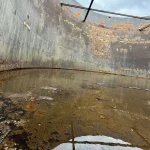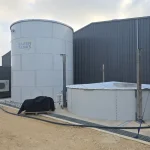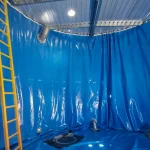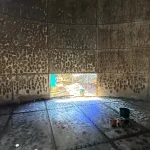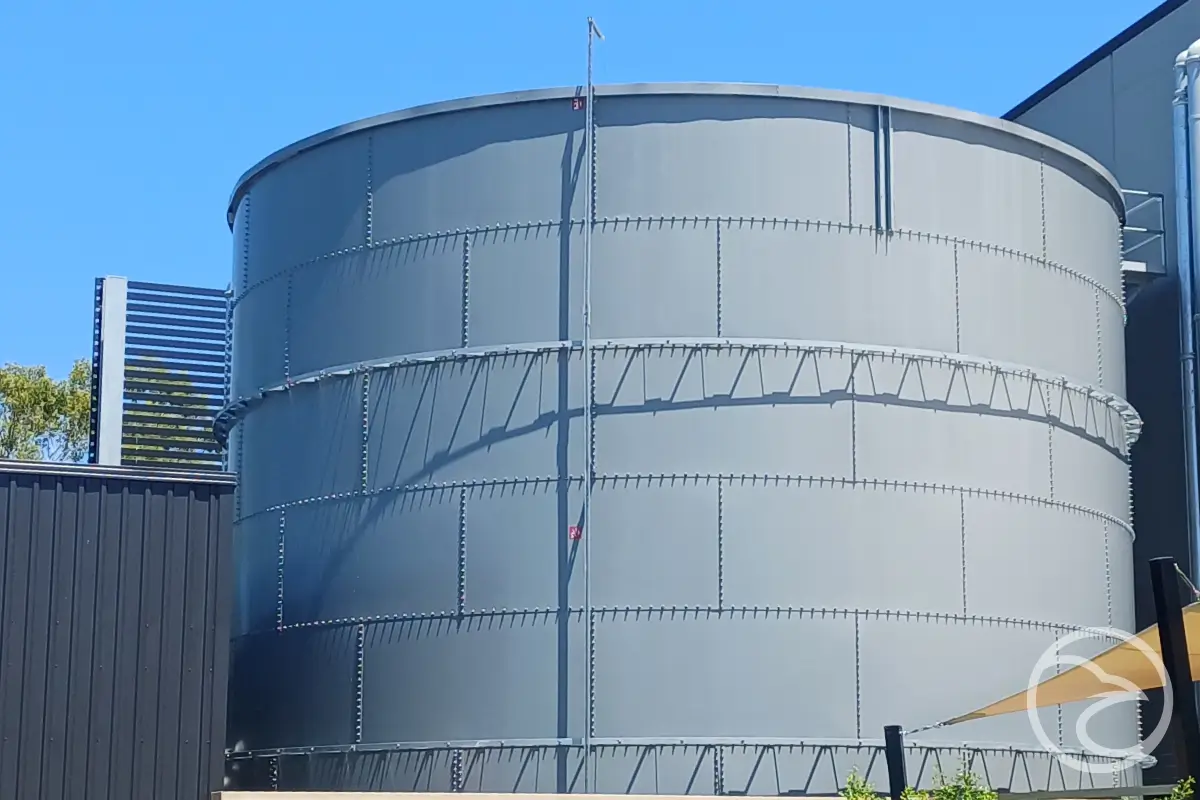

Access to clean drinking water depends on more than the storage tank itself. The materials that come into contact with water play an equally important role in maintaining quality, protecting public health, and extending the life of storage infrastructure. A potable water tank liner creates a protective barrier between stored water and the tank structure, helping reduce contamination risks while preserving the tank’s integrity.
Unlike liners used for wastewater or industrial applications, potable water tank liners must meet strict performance and safety requirements. Material selection, installation quality, and regulatory compliance all contribute to long-term reliability.
This potable water tank liner guide explains how potable water liners work, the materials commonly used, relevant Australian standards, and the factors to consider when selecting or replacing a liner.
What is a Potable Water Tank Liner?
A potable water tank liner is a flexible membrane installed inside a storage tank to safely contain water intended for human consumption. It creates a physical barrier between the stored water and the tank walls, reducing the risk of corrosion, contamination, and water loss.
The terms potable water liner and drinking water liner are often used interchangeably. Both refer to liner systems manufactured from materials that are suitable for storing drinking water without affecting its quality, taste, or safety.
Potable water liners are commonly installed in:
- municipal water reservoirs
- commercial buildings
- hospitals
- schools
- industrial facilities
- agricultural water storage systems
- remote community water supplies
Rather than replacing an ageing tank, many operators install a new liner to restore watertight performance while extending the service life of the existing structure.
Why Potable Water Tank Liners are Different
Not every tank liners is suitable for drinking water storage.
Liners used for wastewater, chemical storage, or industrial processing are often designed to prioritise chemical resistance or abrasion performance. Potable water applications require a different balance of properties.
A drinking water liner must help maintain water quality throughout its service life. This includes preventing harmful substances from migrating into the stored water while resisting biological growth and long-term degradation.
A properly specified potable water tank liner can help:
- protect drinking water quality
- reduce corrosion inside the tank
- minimise leakage
- extend tank service life
- simplify maintenance
- support regulatory compliance
Choosing a liner based solely on durability or cost may not be appropriate for potable water storage. Certification and material suitability should always be considered alongside performance characteristics.
Potable Water Tank Lining vs Internal Tank Coatings
Both liners and internal coatings protect water storage tanks, but they perform the task differently.
Internal coatings are applied directly to the tank surface, forming a protective layer over the substrate. A tank liner, by contrast, creates a separate waterproof membrane that isolates stored water from the tank walls.
The most suitable solution depends on the condition of the tank, the intended application, and long-term maintenance objectives.
| Feature | Potable Water Tank Liner | Internal Tank Coating |
|---|---|---|
| Protection method | Separate waterproof membrane | Protective surface coating |
| Suitable for ageing tanks | Excellent | Depends on substrate condition |
| Leak protection | High | Moderate |
| Future repairs | Often easier | May require recoating |
| Structural isolation | Yes | Limited |
| Drinking water applications | Suitable when certified | Suitable when approved products are used |
For older tanks showing signs of corrosion or deterioration, installing a potable water tank liner may provide a longer-term solution than applying a new internal coating.
Common Materials for Potable Water Tank Liners
Different liner materials offer different performance characteristics. The best choice depends on the operating environment, tank design, maintenance strategy, and compliance requirements.
| Material | Drinking Water Suitable* | Flexibility | UV Resistance | Typical Lifespan |
|---|---|---|---|---|
| PVC | Yes (certified grades) | High | Moderate | 10–20 years |
| EPDM | Yes (approved grades) | Excellent | Excellent | 20–30 years |
| HDPE | Yes (approved grades) | Moderate | Excellent | 20–30 years |
| Polypropylene | Selected applications | Moderate | Good | 20–30 years |
*Suitability depends on product certification and manufacturer specifications.
PVC Potable Water Liners
PVC remains one of the most widely used liner materials because of its flexibility and ease of fabrication.
Certified PVC tank liners are commonly installed in potable water storage tanks where reliable waterproofing and straightforward installation are priorities.
They perform well in many commercial and municipal applications, although prolonged UV exposure may influence long-term performance if the tank is not adequately protected.
EPDM Potable Water Liners
EPDM is a synthetic rubber membrane recognised for its flexibility and weather resistance.
Its ability to remain flexible across a wide temperature range makes it suitable for outdoor installations exposed to changing environmental conditions.
Certified EPDM liners are commonly selected for large potable water storage tanks requiring long service life and excellent UV resistance.
HDPE Potable Water Liners
HDPE offers excellent durability, puncture resistance, and long-term stability.
Although less flexible than PVC or EPDM, it performs well in demanding environments and is frequently specified for large storage systems where mechanical strength is a priority.
Professional fabrication and welding are essential to ensure reliable seam performance.
Polypropylene Liners
Polypropylene is commonly associated with industrial applications, but approved grades may also be used in specific potable water projects.
Its excellent chemical resistance and dimensional stability make it suitable where water treatment processes or operational conditions require additional material performance.
Australian Standards for Potable Water Tank Liners
Potable water tank liners are expected to do more than prevent leaks. They must also be suitable for prolonged contact with drinking water without affecting its quality or safety.
In Australia, compliance with recognised standards helps demonstrate that a liner is appropriate for potable water applications. While the exact requirements depend on the project, understanding the key standards can simplify the specification process.
AS/NZS 4020
One of the most widely recognised standards for drinking water products in Australia is AS/NZS 4020 – testing of products for use in contact with drinking water.
This standard assesses whether a material is suitable for prolonged contact with drinking water. Testing considers factors such as:
- effects on water taste and odour
- appearance of the water
- growth of microorganisms
- extraction of harmful substances
- impact on overall water quality
A liner tested to AS/NZS 4020 provides confidence that the material is suitable for use in drinking water systems when installed and maintained correctly.
WaterMark Certification
Some potable water products supplied in Australia may also require WaterMark certification, depending on the application and plumbing regulations.
WaterMark demonstrates that regulated plumbing products comply with relevant Australian requirements and are suitable for their intended use.
Although not every liner project falls under the WaterMark scheme, checking project specifications and local regulatory requirements remains an important part of product selection.
International Standards
Projects outside Australia may reference other recognised drinking water standards.
For example, NSF/ANSI/CAN 61 is widely used in North America to assess materials that come into contact with drinking water.
Many manufacturers provide certification for multiple international standards, making it easier to specify liner systems for projects across different regions.
Regardless of the standard applied, certification should always be verified using the manufacturer’s documentation rather than assumed based on the liner material alone.

When Does a Potable Water Tank Need Relining?
Even high-quality potable water tank liners gradually age. Continuous exposure to water, temperature fluctuations, cleaning procedures, and normal operational wear eventually affects their condition.
Relining an existing tank is often a practical alternative to replacing the entire structure. It restores watertight performance while extending the useful life of the tank.
Several signs may indicate that relining should be considered.
Persistent Leaks
Small leaks may initially appear insignificant, but recurring water loss often indicates that the existing liner or internal protection system has reached the end of its service life.
Addressing the problem early can help prevent further deterioration.
Corrosion Inside the Tank
For steel tanks, corrosion is one of the most common reasons for installing a new potable water tank liner.
Once the protective barrier deteriorates, direct contact between water and steel can accelerate structural damage.
Deteriorating Internal Coatings
Some older tanks rely on protective coatings rather than flexible liners.
Over time, coatings may crack, blister, or lose adhesion, reducing their ability to protect the tank surface.
In these situations, installing a new liner may provide a longer-term rehabilitation solution.
Ageing Liner Materials
Even without visible leaks, older liner materials gradually lose flexibility.
Signs of ageing may include:
- cracking
- brittleness
- seam separation
- permanent deformation
- repeated repair requirements
When these issues become widespread, replacing the liner often provides greater long-term value than repeated repairs.
Not sure whether your tank liner should be repaired or replaced? Read our guide on repair or replace a tank liner to help you make the right decision.
Factors to Consider when Choosing a Drinking Water Liner
Selecting a potable water liner involves balancing performance, compliance, durability, and maintenance requirements.
Several factors should be evaluated before specifying a liner system.
Water Quality Requirements
The first consideration is whether the liner has been tested and approved for drinking water contact.
Using certified materials helps reduce the risk of contamination while supporting regulatory compliance.
Tank Construction
Different liner systems are better suited to different tank materials.
For example:
- concrete tanks
- steel tanks
- GRP tanks
- modular panel tanks
Tank geometry also influences fabrication and installation methods.
Environmental Conditions
Outdoor tanks experience constant exposure to sunlight, rainfall, and changing temperatures.
Where UV exposure is significant, selecting a liner with strong weather resistance helps maximise service life.
Expected Service Life
Some projects prioritise the lowest initial investment, while others focus on long-term asset management.
Considering lifecycle performance rather than installation cost alone often leads to more sustainable decisions.
Installation Quality
Even certified materials depend on proper installation.
Accurate fabrication, professional seam welding, and comprehensive quality control all contribute to long-term liner performance.
Maintenance and Inspection
Although potable water tank liners require relatively little maintenance, routine inspections remain essential.
A preventative maintenance programme helps identify minor issues before they affect water quality or tank performance.
Regular inspections typically include:
- checking liner surfaces for damage
- inspecting seams and welded joints
- examining pipe penetrations
- monitoring signs of wear
- removing accumulated sediment where required
Cleaning schedules should also follow local water management requirements to maintain hygienic storage conditions.
Keeping maintenance records allows facility managers to monitor liner condition over time and plan refurbishment before significant deterioration occurs.
Conclusion
A properly specified potable water tank liner plays an important role in protecting drinking water quality while extending the operational life of storage infrastructure. Choosing the right material involves more than selecting a durable membrane. Certification, compliance with recognised standards, installation quality, and ongoing maintenance all contribute to long-term performance.
Whether a project involves a new installation or the rehabilitation of an ageing tank, understanding the differences between liner materials, internal coatings, and relining options helps support better long-term decisions.
If you are looking for a broader overview of liner materials, applications, lifespan, and maintenance across different industries, explore our water tank liner guide, which explains how liner systems are used beyond potable water storage.