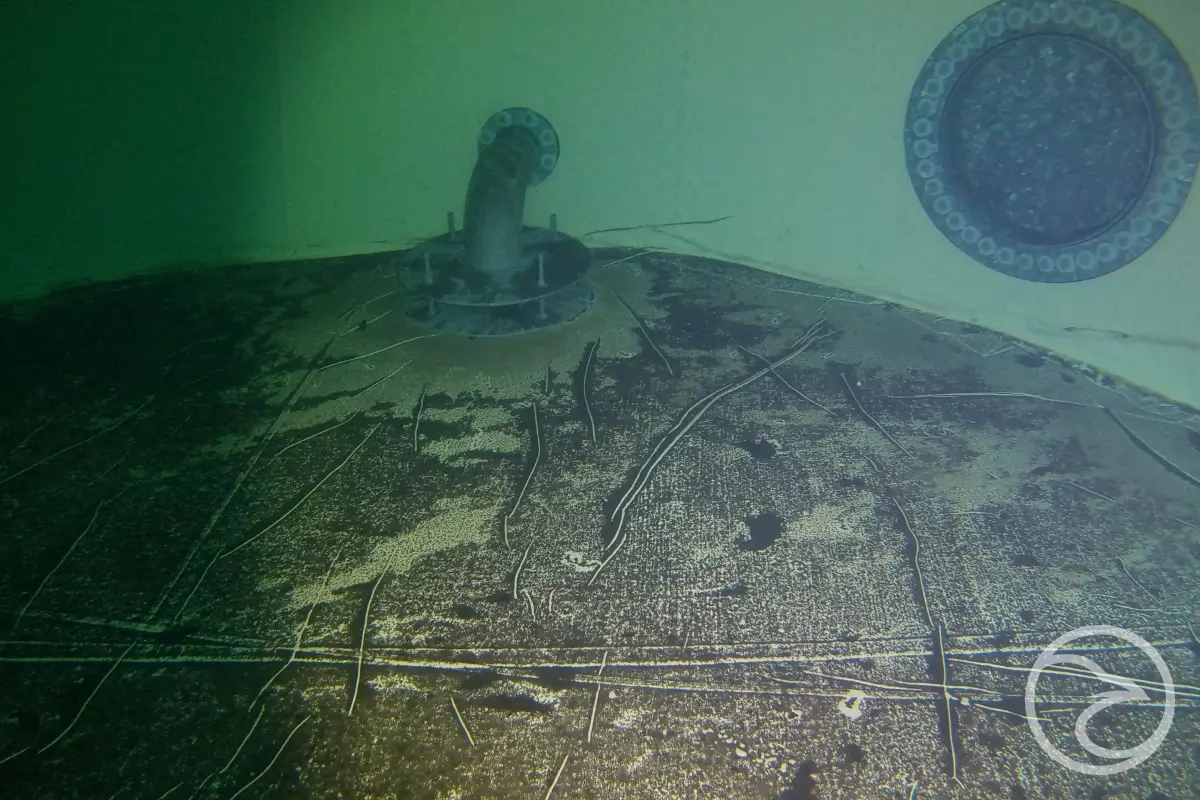
Underwater tank inspection is not always straightforward. Different conditions require different inspection approaches. Choosing the right method depends on safety, accessibility, and operational constraints.
In many cases, robotic inspection provides the most practical solution. If you need a basic understanding first, read how does rov inspection work.
What Determines the Right Inspection Method?
Not every tank requires the same inspection approach.
Several factors influence the decision:
- tank size and design
- water quality and visibility
- access limitations
- safety requirements
- operational downtime tolerance
When these factors create risk or complexity, ROV inspection becomes a strong option.
Key Situations Where ROV Inspection is Recommended
ROV inspection is particularly useful in specific scenarios.
1. Confined or Hard-to-Access Tanks
Some tanks have limited entry points or complex internal structures. In these environments, human access is difficult and risky. ROVs can navigate tight spaces without compromising safety.
Typical examples include:
- underground storage tanks
- tanks with narrow access hatches
- structures with internal obstructions
2. Low Visibility Conditions
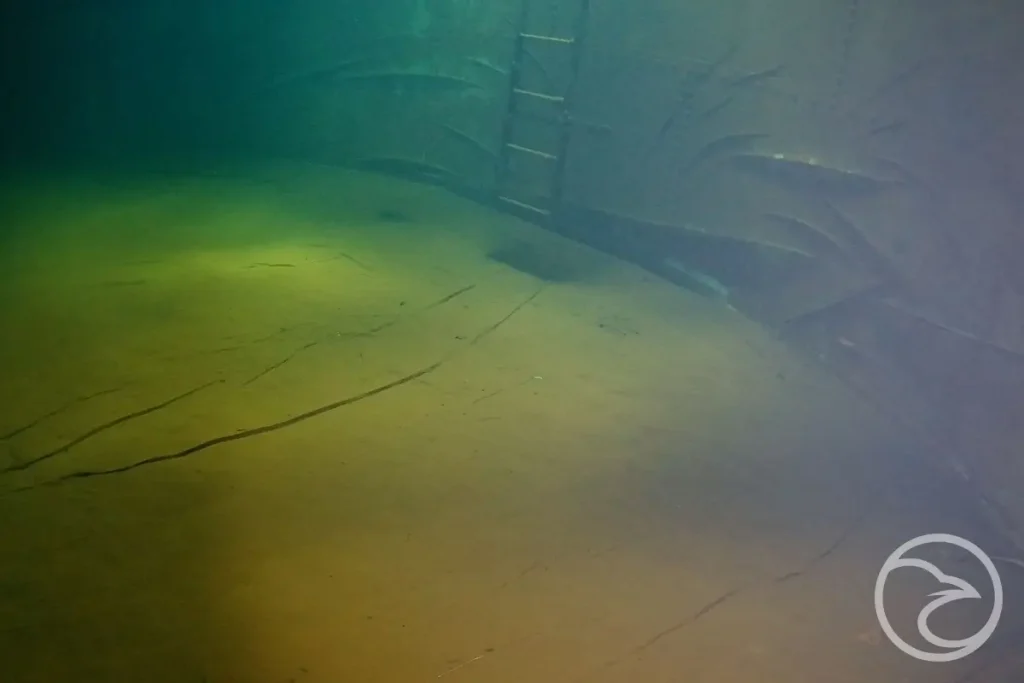
Visibility is often reduced due to sediment or biological growth. Divers may struggle to perform accurate inspections in such conditions. ROVs use lighting and stable cameras to maintain visibility.
Common causes of low visibility:
- sediment buildup
- algae or biofilm
- stagnant water conditions
3. Hazardous or Contaminated Environments
Some tanks contain water that is unsafe for human exposure. This includes chemical contamination or biological hazards. In such cases, avoiding human entry is critical.
ROV inspection eliminates direct exposure and reduces risk. For a deeper understanding of safety differences, see rov vs diver inspection.
4. When Minimizing Downtime is Critical
Shutting down a tank can disrupt operations and increase costs. ROV inspections can often be performed without draining the tank. This allows facilities to continue operating during inspection.
This is especially important for:
- municipal water systems
- industrial facilities
- fire protection tanks
5. Need for Accurate and Documented Data
Some inspections require detailed reporting and visual evidence. ROVs provide high-quality video that can be recorded and reviewed. This improves documentation and supports compliance requirements.
Key advantages include:
- consistent inspection results
- visual proof of tank condition
- easier long-term monitoring
6. Early Detection of Structural Issues
Regular inspections help identify problems before they escalate. ROVs allow frequent inspections without major operational impact. This makes preventive maintenance more practical.
Common issues detected early include:
- corrosion
- sediment accumulation
- coating damage
- structural defects
To see how ROVs address these issues, read underwater tank inspection challenges.
When ROV May not be the Best Option
Although ROV inspection is highly effective, there are exceptions.
It may not be suitable when:
- physical repairs must be done immediately
- tactile inspection is required
- regulations mandate diver inspection
In such cases, divers may still be needed. However, ROVs are often used first for assessment.
Why ROV Inspection is Becoming the Standard
Across industries, ROV inspection is gaining adoption. This is due to its ability to improve safety and efficiency. It also reduces operational risks and long-term costs.
Many facilities now consider ROV inspection as the default approach.
Final Thoughts
Knowing when to use ROV inspection helps optimize inspection strategy. It is especially valuable in hazardous, complex, or high-risk environments. It also provides better data while reducing operational disruption.
As inspection standards continue to evolve, ROV technology plays a key role. It offers a practical and reliable solution for modern underwater tank inspection.