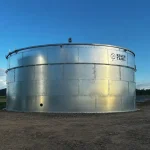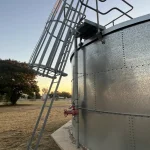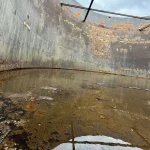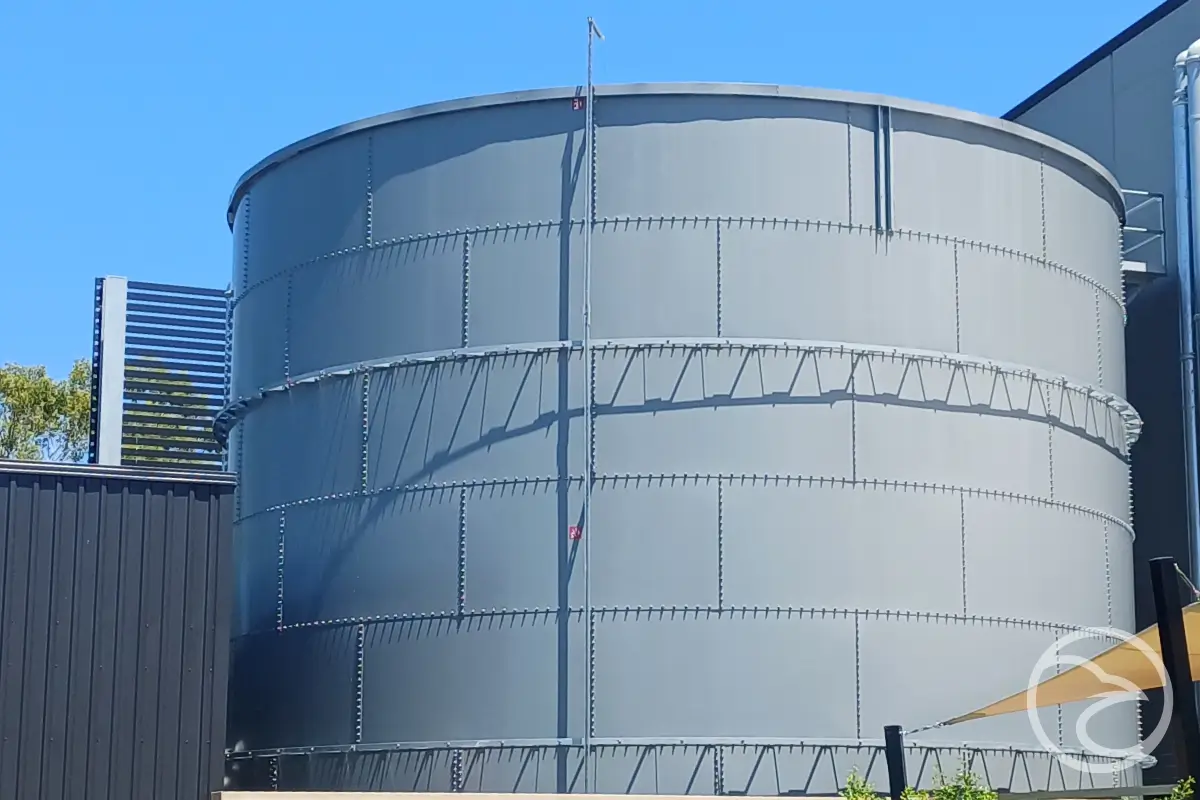
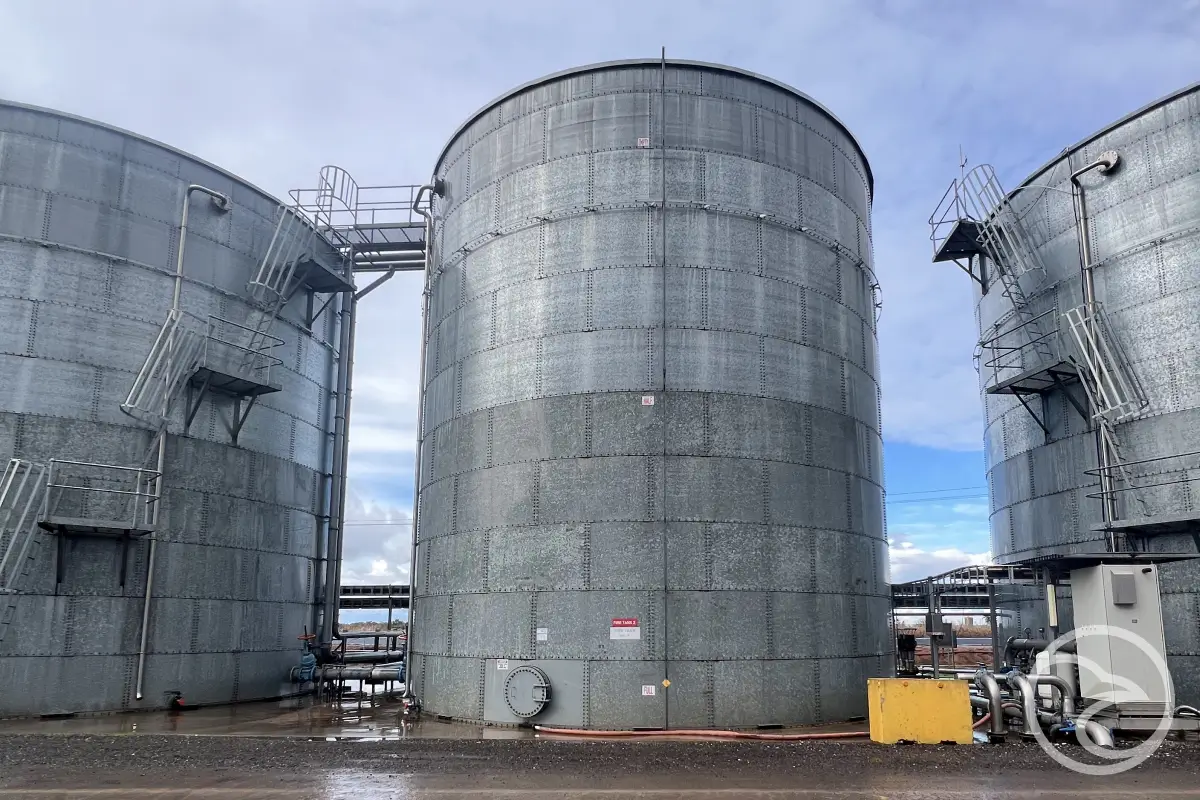
Fire tank inspections are a critical part of maintaining safe and compliant fire protection systems. While many property owners ask about the cost, the reality is that fire tank inspection cost in Australia can vary significantly depending on several key factors.
Rather than a fixed price, inspections are typically assessed based on system complexity, accessibility, and compliance requirements. This guide explains what affects pricing and what you should expect when planning an inspection.
Why Fire Tank Inspections are a Necessary Investment
Fire tanks play a vital role in supplying water during emergencies. If the system fails, the consequences can be severe.
Regular fire tank inspections help:
- Ensure system reliability
- Detect issues early
- Maintain compliance with safety standards
- Prevent costly repairs
Investing in inspections is not just about compliance—it’s about reducing long-term risk.
What Affects Fire Tank Inspection Cost in Australia
The cost of a fire tank inspection is influenced by multiple variables. Each system is different, and pricing reflects the level of work required.
1. Tank Size and Capacity
Larger tanks require more time, equipment, and inspection effort.
Factors include:
- Tank volume
- Height and structure
- Internal complexity
Bigger systems generally require more detailed assessments.
2. Accessibility and Site Conditions
Accessibility is one of the biggest factors affecting inspection complexity.
Challenges may include:
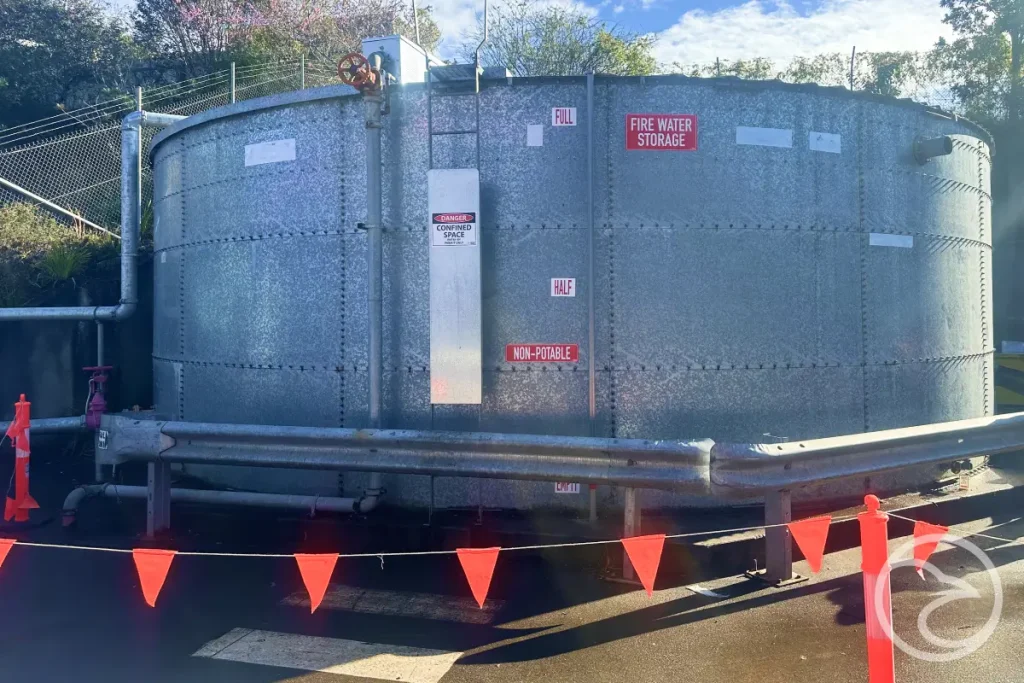
- Confined spaces
- Limited entry points
- Difficult site access
In such cases, specialized confined space solutions may be required to ensure safe inspection conditions.
3. Inspection Method Used
The method used to inspect the tank can significantly influence overall cost and efficiency.
Traditional inspections may involve:
- Draining the tank
- Manual entry
- Additional safety setup
Modern approaches, such as drone fire tank inspection or ROV tank inspection, can reduce downtime and improve inspection efficiency, depending on the situation.
4. Condition of the Tank
The current condition of the tank also plays a major role.
If the tank shows signs of:
- Corrosion
- Sediment buildup
- Structural damage
The inspection may require more detailed analysis and additional time.
Many of these issues are early signs your fire tank needs inspection, and addressing them early can help avoid more complex inspections later.
5. Compliance Requirements (AS1851)
Inspection scope is often influenced by compliance obligations.
Under AS1851 fire tank compliance, inspections must follow structured schedules, documentation standards, and maintenance requirements.
Meeting these requirements may involve:
- Detailed reporting
- Additional inspection steps
- Ongoing service planning
Why Fire Tank Inspection Costs Can Vary Significantly
No two fire tank systems are the same. Differences in design, location, and condition mean that inspection requirements—and therefore costs—can vary widely.
Factors such as:
- System complexity
- Environmental exposure
- Inspection method
- Safety requirements
all contribute to the overall scope of work.
Because of this, inspections are typically assessed individually rather than priced as a standard service.
Inspection Frequency and Long-Term Cost Considerations
While individual inspection costs vary, long-term costs are influenced by how often inspections are performed.
According to how often fire tanks should be inspected, regular inspections are required to maintain system performance and compliance.
Consistent inspections help:
- Prevent major failures
- Reduce emergency repair costs
- Extend system lifespan
Over time, a proactive approach is often more cost-effective than reactive repairs.
What’s Typically Included in an Inspection
A fire tank inspection usually involves a combination of visual checks, system testing, and condition assessment.
This may include:
- Structural inspection
- Water level and quality checks
- Inspection of valves and connections
- Assessment of access and safety features
A detailed fire tank inspection checklist provides a clear overview of what is typically involved in the process.
How to Approach Fire Tank Inspection Costs
Instead of focusing on a fixed price, it’s more useful to understand:
- What level of inspection is required
- What risks are involved
- What compliance standards must be met
Costs can vary depending on system complexity, inspection method, and site conditions. A detailed assessment is usually required to determine the exact scope of work.
Final Thoughts
Understanding fire tank inspection cost in Australia starts with understanding what drives it. Factors such as tank size, accessibility, inspection method, and compliance requirements all play a role in determining the scope of work.
By focusing on regular inspections and addressing issues early, property owners can manage costs more effectively while ensuring their fire protection systems remain reliable and compliant.