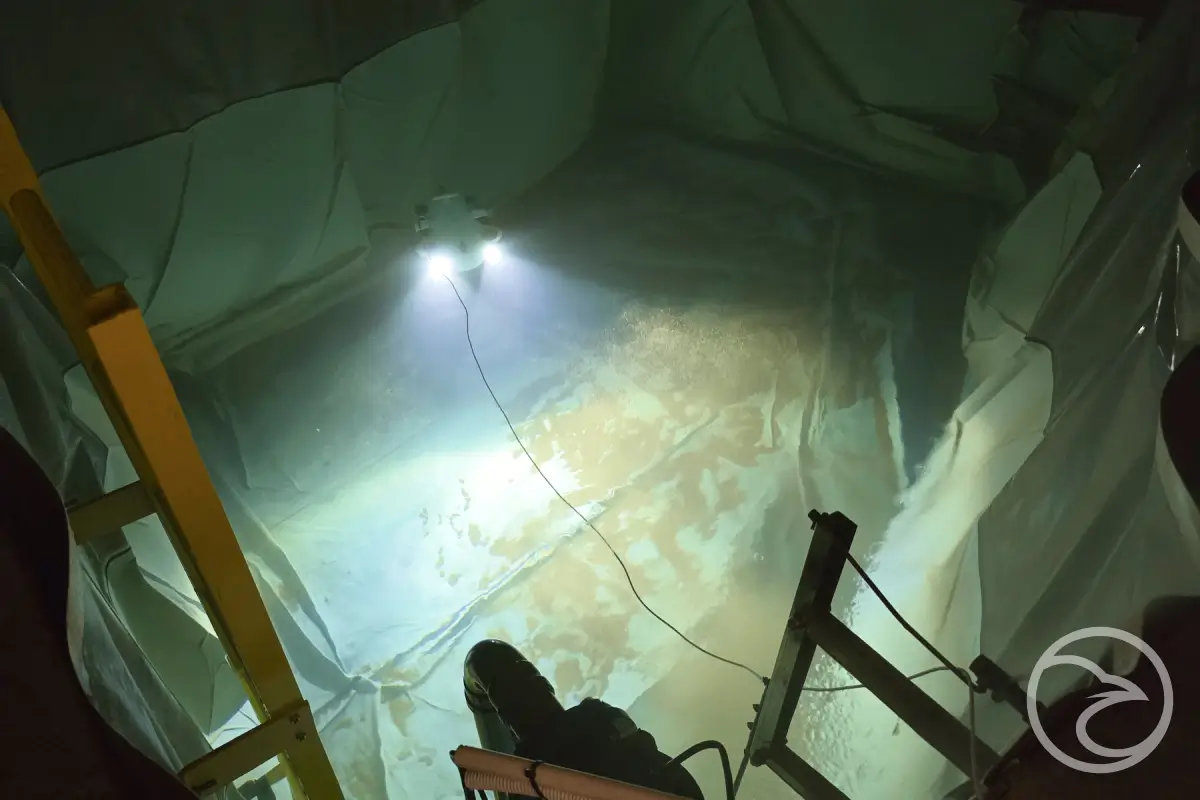
Underwater tank inspection is a critical part of infrastructure maintenance. However, it often comes with a range of technical and environmental challenges.
These challenges can affect inspection accuracy, safety, and overall efficiency. Understanding them is key to choosing the right inspection method.
If you are new to the topic, start with how does rov inspection work.
Why Underwater Tank Inspection is Challenging
Inspecting tanks filled with water is fundamentally different from dry inspections. Limited visibility, restricted access, and contamination all create complications. These factors make traditional inspection methods less reliable.
Common issues often require specialized tools and techniques.
1. Poor Visibility Inside the Tank
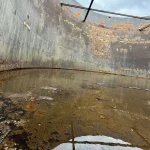
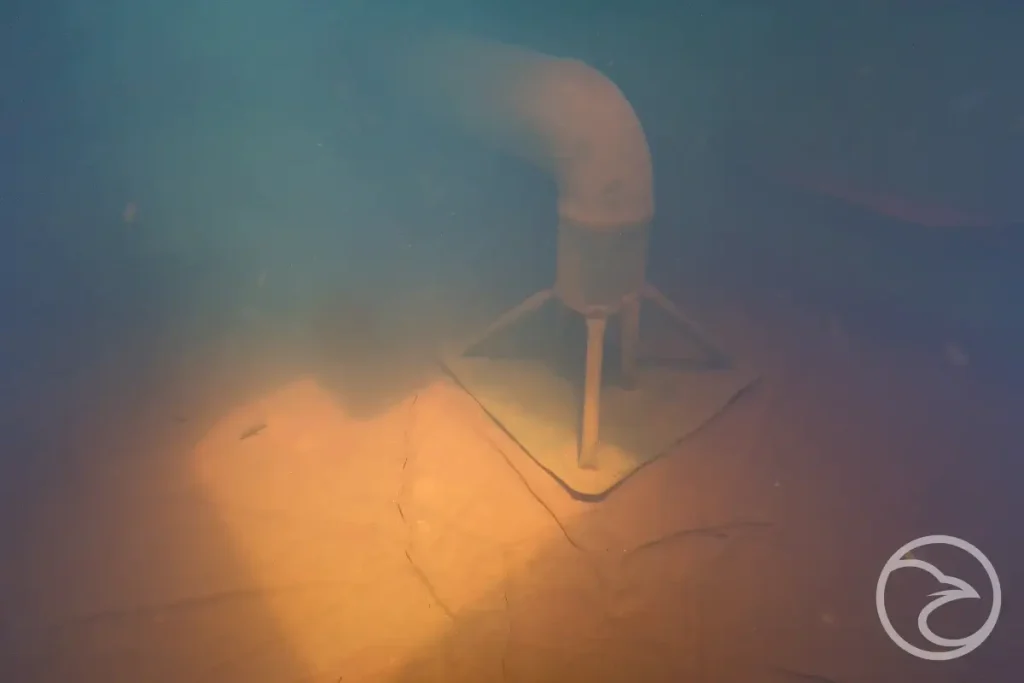
One of the most common problems is low visibility. Water inside tanks often contains sediment, algae, or suspended particles. This makes it difficult to see structural details clearly.
Typical causes of poor visibility include:
- sediment buildup at the bottom
- biological growth such as algae
- lack of water circulation
- accumulated debris
These conditions significantly reduce inspection quality.
How ROV Solves this
ROVs are equipped with strong lighting and high-resolution cameras. They provide stable and enhanced visual output even in murky water.
Operators can adjust positioning and angles for better clarity. This allows more accurate assessment compared to manual inspection.
2. Restricted Access and Confined Spaces
Many tanks are not designed for easy human entry. They may have narrow openings or complex internal structures. This limits the ability of divers to move and inspect effectively.
Access challenges often include:
- small entry hatches
- internal pipes or supports
- irregular tank shapes
How ROV Solves this
ROVs are compact and highly maneuverable. They can navigate tight spaces without risk to human safety.
This makes them ideal for inspecting hard-to-reach areas. To understand when this matters most, see when to use rov inspection.
3. Safety Risks for Divers
Underwater inspections can expose divers to significant risks. These risks increase in confined or contaminated environments.
Major safety concerns include:
- limited oxygen environments
- exposure to harmful substances
- disorientation in low visibility
- physical strain and fatigue
Even with safety protocols, risks cannot be fully eliminated.
How ROV Solves this
ROV inspection removes the need for human entry. This eliminates direct exposure to hazardous conditions.
When comparing rov vs diver inspection, safety is one of the biggest advantages of robotic systems.
4. Sediment and Contamination
Sediment accumulation is common in water tanks. Over time, debris and particles settle at the bottom. This can hide structural issues and affect water quality.
Contamination may include:
- rust particles
- organic matter
- chemical residues
- biological growth
These factors complicate inspection and analysis.
How ROV Solves this
ROVs can inspect without disturbing sediment layers significantly. They provide clear visuals without affecting tank conditions.
This allows accurate evaluation of both structure and cleanliness.
5. Limited Inspection Data and Documentation
Traditional inspection methods often rely on human observation. This can lead to inconsistent reporting and missed details. It also makes long-term monitoring more difficult.
Common limitations include:
- lack of recorded evidence
- subjective assessments
- difficulty comparing past inspections
How ROV Solves this
ROVs capture high-quality video and images. This creates a reliable record of tank conditions.
Benefits of recorded data include:
- repeatable analysis
- improved reporting accuracy
- easier compliance documentation
For more advantages, see benefits of rov inspection.
6. Operational Downtime
Many inspection methods require tanks to be drained or shut down. This can disrupt operations and increase costs.
Downtime challenges include:
- service interruptions
- additional cleaning requirements
- extended maintenance schedules
How ROV Solves this
ROV inspections can often be performed without draining the tank. This reduces downtime and keeps systems operational.
It is one of the main reasons facilities choose ROV inspection today.
Why ROV is the Preferred Solution
ROV technology addresses most of the common challenges in underwater inspection. It improves safety, increases accuracy, and reduces operational impact.
Key advantages include:
- no human entry required
- consistent inspection results
- ability to work in difficult environments
- minimal disruption to operations
These benefits make ROV inspection a practical solution for modern facilities.
Final Thoughts
Underwater tank inspection presents multiple challenges that cannot be ignored. From poor visibility to safety risks, each issue affects inspection quality. Traditional methods often struggle to handle these conditions effectively.
ROV inspection offers a reliable way to overcome these challenges. It provides safer, more efficient, and more accurate inspections.
As infrastructure requirements grow, the need for advanced inspection methods will continue to increase.