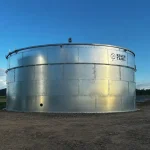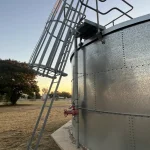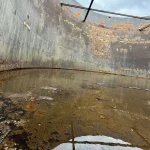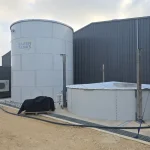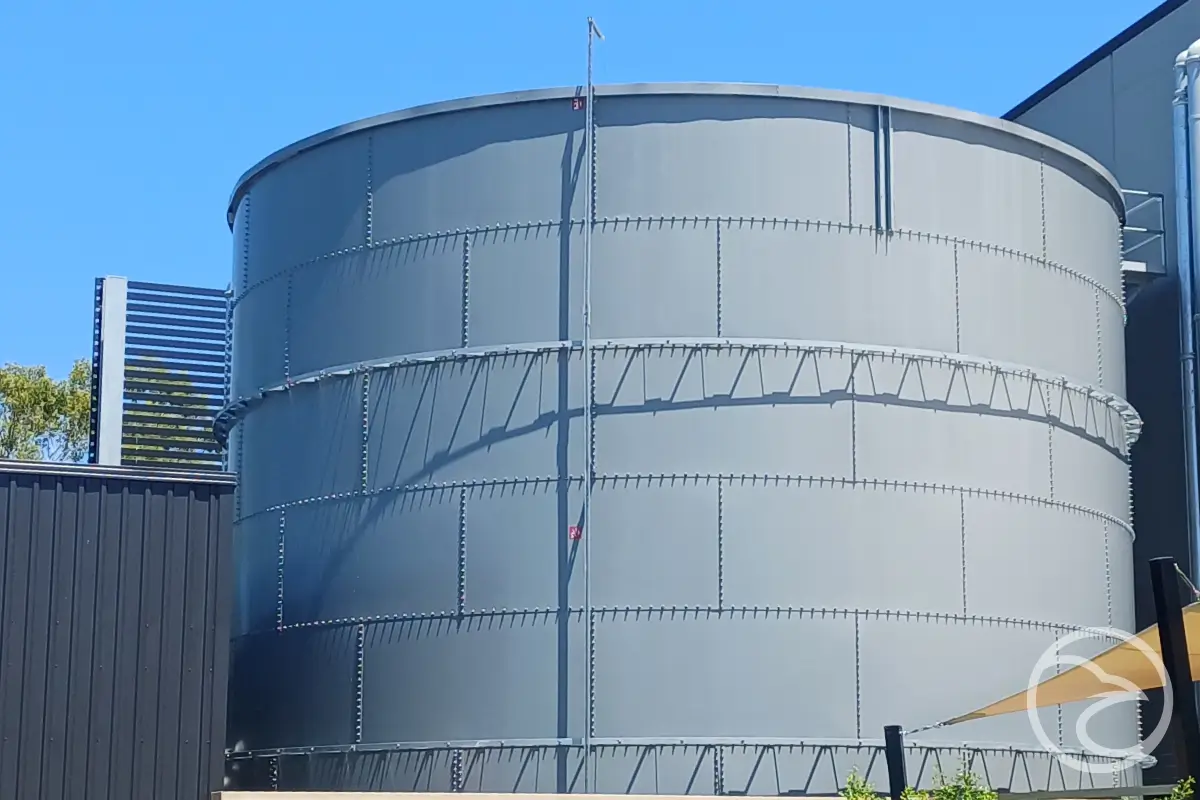

Water tanks are constantly exposed to moisture and pressure. Over time, this exposure can lead to damage.
Even strong materials like concrete are not fully waterproof. Without protection, water can penetrate the structure.
This is why many systems rely on tank waterproofing.
Why Waterproofing is Essential for Tanks
Waterproofing is not just an extra layer. It is a critical part of long-term tank performance.
Without it, water can seep into small pores and cracks. This leads to gradual structural deterioration.
Moisture can also carry contaminants into the system. This affects both performance and water quality.
1. Prevents Water Penetration
Water penetration is one of the main causes of damage. Concrete and other materials can absorb moisture over time.
Waterproofing creates a sealed barrier. It stops water from entering the structure.
This reduces internal stress and long-term wear.
2. Protects Structural Integrity
Continuous exposure to moisture weakens materials. Cracks can form and expand under pressure.
Waterproofing reduces this exposure. It protects the internal surfaces from damage.
As a result, the tank remains structurally stable longer.
3. Prevents Leaks and Water Loss
Leaks are a common issue in unprotected tanks. Even small cracks can lead to significant water loss.
Waterproofing seals these vulnerabilities. It helps keep water contained within the system.
This improves efficiency and reduces waste.
4. Extends Tank Lifespan
Repairing or replacing tanks can be expensive. Preventative protection is more cost-effective.
Waterproofing reduces damage over time. It helps extend the operational life of the tank.
This makes it a valuable long-term investment.
5. Reduces Maintenance Requirements
Unprotected tanks often require frequent repairs. Surface damage can make maintenance more complex.
Waterproofing creates a smoother internal surface. This simplifies cleaning and inspections.
It also reduces the need for repeated fixes.
6. Protects Against Environmental Conditions
Tanks are often exposed to harsh environments. Temperature changes and chemicals can accelerate damage.
Waterproofing adds an extra protective layer. It helps resist these external factors.
This improves overall durability.
7. Improves Water Quality Protection
Water stored in tanks must remain clean and stable. Contaminants can enter through cracks and pores.
Waterproofing helps prevent this. It limits external intrusion and internal reactions.
This supports safer and more reliable storage.
8. Minimises Long-Term Costs
Ignoring early protection can lead to major repairs. Leaks and structural issues become more expensive over time.
Waterproofing reduces these risks. It helps avoid unexpected costs.
This makes it a practical financial decision.
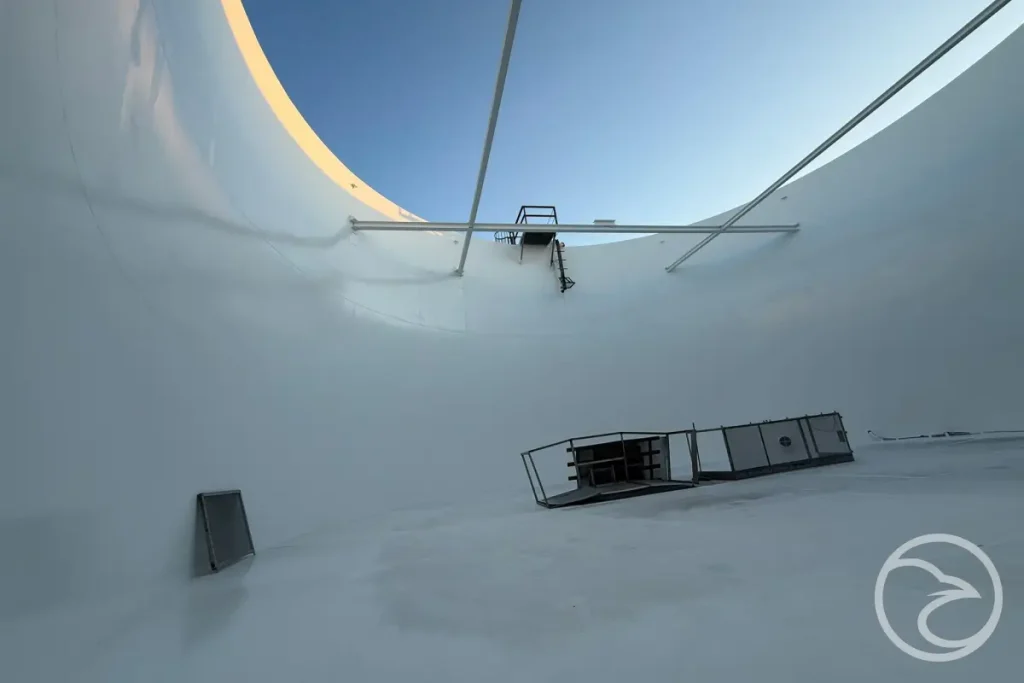
How Waterproofing Supports Long-Term Performance
Waterproofing does more than fix existing issues. It creates a stable internal environment.
This improves consistency in storage conditions. It also reduces stress on the structure.
For a deeper look at early warning signs, see the signs you need tank waterproofing to identify potential issues before serious damage occurs.
When Should You Consider Waterproofing
The best time to apply waterproofing is early. Preventative action delivers the best results.
However, existing tanks can also be treated. This helps restore performance and prevent further damage.
Professional assessment can determine the right approach.
Conclusion
Water tanks face constant exposure to moisture and pressure. Without protection, damage is inevitable over time.
Tank waterproofing provides a reliable solution. It prevents leaks, protects structure, and extends lifespan.