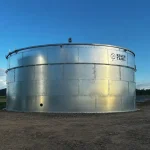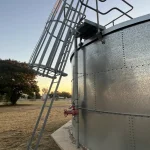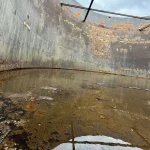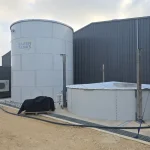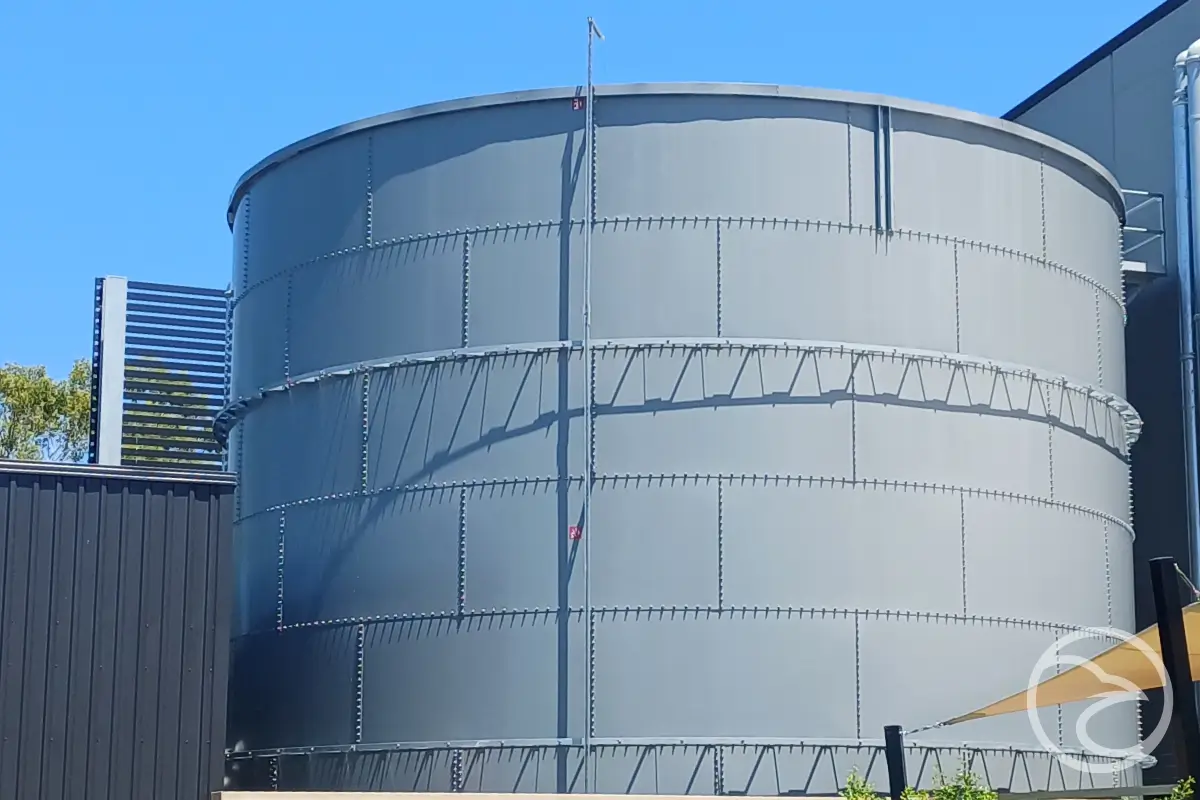

Water tank corrosion is a common issue that affects system durability and performance. If left untreated, it can lead to leaks, contamination, and structural failure.
Understanding the causes of corrosion is essential for prevention. It also helps extend the lifespan of your water storage system.
This guide explains effective water tank corrosion protection methods and long-term solutions.
What Causes Water Tank Corrosion
Corrosion develops when metal reacts with moisture and oxygen. Over time, this reaction weakens the tank structure.
Several factors accelerate corrosion in water tanks.
Exposure to Moisture and Air
Constant contact with water creates ideal conditions for corrosion. When oxygen is present, oxidation begins.
This process leads to rust formation on metal surfaces. It is one of the most common causes of tank deterioration.
Poor Water Quality
Water containing minerals or chemicals increases corrosion risk. High levels of salt or acidity accelerate material breakdown.
Contaminated water can also damage protective coatings. This exposes the tank surface to further corrosion.
Lack of Maintenance
Without regular inspection, corrosion develops unnoticed. Small rust spots can quickly spread across the tank.
Neglecting maintenance increases repair costs. It also reduces system efficiency.
You can prevent early damage by following a water tank maintenance checklist.
Damaged Coatings and Linings
Protective coatings act as a barrier against corrosion. When they wear out, the tank becomes vulnerable.
Cracks or peeling coatings expose the metal surface. This allows corrosion to develop rapidly.
Best Water Tank Corrosion Protection Methods
Effective protection requires a combination of strategies. These methods help prevent damage and extend tank lifespan.
Protective Coatings
Coatings are one of the most effective corrosion prevention methods. They create a barrier between metal and water.
Common options include epoxy and polyurethane coatings. These materials resist moisture and chemical exposure.
Regular inspection ensures coatings remain intact. Damaged areas should be repaired immediately.
Cathodic Protection
Cathodic protection reduces corrosion by controlling electrical reactions. It uses sacrificial anodes to protect the tank structure.
This method is common in industrial and underground tanks. It provides long-term corrosion control.
Regular Cleaning and Maintenance
Cleaning removes sediment and contaminants that accelerate corrosion. It also helps maintain water quality.
Routine maintenance reduces the risk of hidden damage. It ensures the system operates efficiently.
For broader system care, review water tank problems and solutions.
Proper Tank Design and Installation
Design plays a key role in corrosion prevention. Poor installation can create stress points and weak areas.
Proper drainage and ventilation reduce moisture buildup. This helps slow down corrosion processes.

Corrosion Resistant Water Tanks: what to Choose
Material selection is critical for long-term performance. Some tanks are designed to resist corrosion more effectively.
Stainless Steel Tanks
Stainless steel offers strong corrosion resistance. It performs well in harsh environments.
However, it can be more expensive than other options.
Glass-Fused-to-Steel Tanks
These tanks combine strength with corrosion protection. The glass coating prevents direct contact with water.
They are widely used in industrial applications. They offer long-term durability.
Polyethylene Tanks
Plastic tanks do not corrode like metal tanks. They are lightweight and cost-effective. However, they may not be suitable for all applications.
Choosing corrosion resistant water tanks reduces long-term maintenance needs. It also improves system reliability.
How to Prevent Corrosion Long-Term
Long-term prevention requires consistent effort. A proactive approach reduces the risk of failure.
Schedule Regular Inspections
Routine inspections help detect early signs of corrosion. They allow for quick repairs before damage spreads.
Consistent monitoring improves system lifespan.
Schedule Regular Inspections
Routine inspections help detect early signs of corrosion. They allow for quick repairs before damage spreads.
Consistent monitoring improves system lifespan.
Control Water Quality
Monitoring water quality helps reduce corrosion risks. Filtration and treatment systems can improve conditions.
Balanced water chemistry protects tank materials.
Use Professional Services
Complex systems may require expert maintenance. Professionals can identify hidden issues and apply advanced solutions.
For reliable support, consider water storage tank maintenance services.
Final Thoughts
Corrosion is one of the most serious threats to water tanks. It affects both performance and structural integrity.
Effective water tank corrosion protection requires regular maintenance and proper materials. It also involves early detection and timely repairs.
By understanding the causes and applying the right methods,
you can extend the lifespan of your tank and avoid costly failures.
A proactive approach ensures safe, efficient, and long-lasting water storage.